







Affordability of Solar
A significant hurdle for many considering rooftop solar is the perceived high upfront cost. While the initial investment for panels can be substantial,
approaching $50,000 in some cases, it's crucial to view this as a long-term investment rather than an expense. When compared to the ongoing costs of powering a home through traditional utilities, which can amount to several thousand dollars annually and are subject to increase over time, solar panels offer a compelling financial advantage. Over a decade, the savings accumulated can potentially offset the initial outlay, and over twenty years, the accumulated savings could be substantial enough to fund significant life goals, such as contributing to a child's college education. This perspective shifts solar from a costly purchase to a strategic financial decision that yields long-term economic benefits, especially for those who can finance the upfront cost, treating it similarly to investing in homeownership or a vehicle that accrues value and reduces future expenses.
Beyond Electricity Savings
The financial advantages of rooftop solar extend beyond simply reducing your electricity bill. For households with gasoline-powered vehicles, solar panels can indirectly contribute to replacing fuel costs as well. If you anticipate transitioning to an electric vehicle (EV) in the future, the electricity generated by your solar panels will provide free charging. Consider a scenario where monthly gas expenses are significantly higher than current electricity bills; the introduction of solar power dramatically accelerates the payback period for the system. While EVs also represent an initial investment, the combined savings from reduced electricity bills and free EV charging can make them a more economical choice long-term, especially as the used EV market grows and prices become more accessible. This dual benefit—powering your home and potentially your transportation—enhances the overall financial return on a solar investment.
Panel Durability and Resilience
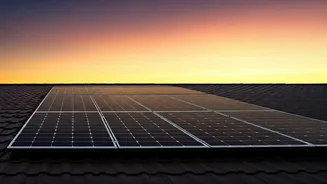
Contrary to concerns about fragility, solar panels are engineered to withstand a wide array of environmental conditions, proving remarkably durable. They are designed for continuous outdoor exposure and endure elements that would challenge other external structures. Real-world experience shows that solar panels can withstand severe weather events such as heavy snow, hail, and strong winds without suffering damage. They are built to last, maintaining their aesthetic appeal and functionality for many years, often looking as good as new even after prolonged exposure to the elements. This inherent resilience means that the significant upfront investment in solar panels is protected against common weather-related degradation, assuring homeowners of their longevity and continued performance.
Roof Integrity and Protection
A common apprehension is that installing solar panels might compromise the structural integrity of a roof or lead to leaks. However, professional installations are designed to maintain, and in many cases even enhance, a roof’s protective qualities. While it's acknowledged that poor workmanship can cause issues with any home improvement, reputable solar installers prioritize leak-free installations. Furthermore, the process often involves an inspection of the roof, and installers typically recommend addressing any aging roof components before panel installation. This ensures the roof is in good condition. The presence of solar panels actually shields the underlying roof area from direct exposure to sunlight, rain, and other weather elements, acting as an additional layer of protection. This can contribute to a longer lifespan for the roof itself, mitigating rather than causing potential future damage.