





Gotu Kola's Ancient Roots
For centuries, Gotu Kola, scientifically known as Centella asiatica, has been a cornerstone of traditional medicine, particularly in Ayurvedic and Chinese
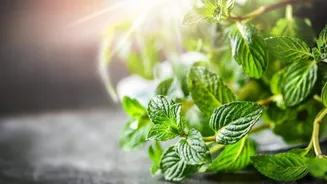
practices. Esteemed for its ability to promote longevity and vitality, it was often referred to as the 'herb of enlightenment.' Ancient healers recognized its therapeutic potential for a wide array of ailments, from skin conditions and wound healing to mental clarity and nervous system support. Its historical application was deeply rooted in observing its effects on both physical and mental well-being, with practitioners noting its calming yet invigorating properties. The plant's distinctive fan-shaped leaves were not only a visual cue but also believed to mirror the brain's hemispheres, hinting at its cognitive benefits. This deep historical context is crucial for understanding the ongoing scientific exploration of Gotu Kola’s remarkable medicinal profile, which continues to validate many of its traditional uses.
Cognitive Enhancement Potential
Modern research is increasingly shedding light on Gotu Kola's impressive capacity to support brain health and cognitive function. Studies suggest that the active compounds within Gotu Kola, primarily triterpenoids like asiaticoside, madecassoside, and brahmoside, can positively influence neural pathways. These compounds are believed to enhance memory, improve concentration, and promote mental alertness by stimulating nerve growth factor production and improving blood circulation to the brain. Furthermore, Gotu Kola exhibits adaptogenic properties, meaning it may help the body manage stress and reduce anxiety, indirectly contributing to better cognitive performance. By modulating neurotransmitter activity and protecting neurons from oxidative stress, this herb offers a natural avenue for bolstering mental acuity and resilience against age-related cognitive decline.
Skin Health and Wound Healing
Gotu Kola has long been a prized ingredient in topical formulations due to its exceptional wound-healing and skin-regenerating abilities. The triterpenoids present in the herb are instrumental in accelerating the healing process of wounds, burns, and ulcers. They achieve this by stimulating fibroblast proliferation, which is essential for collagen synthesis – the primary structural protein in connective tissues. Increased collagen production strengthens the skin, improves its elasticity, and contributes to faster tissue repair. Beyond wound healing, Gotu Kola is recognized for its efficacy in treating conditions like eczema and psoriasis, and for its anti-aging properties. Its anti-inflammatory and antioxidant effects help soothe irritated skin, reduce redness, and combat the free radical damage that leads to premature aging, making it a valuable component in skincare routines.
Circulatory Support and Anxiety Relief
The benefits of Gotu Kola extend to its positive impact on the circulatory system and its anxiolytic effects. Research indicates that Gotu Kola can strengthen blood vessel walls, improve venous tone, and reduce vascular permeability, making it beneficial for individuals experiencing venous insufficiency, varicose veins, and edema. By enhancing circulation, it helps prevent blood pooling in the legs and reduces swelling. Concurrently, Gotu Kola's adaptogenic nature plays a significant role in managing stress and anxiety. It is believed to calm the nervous system by modulating stress hormones and promoting a sense of well-being without causing drowsiness. This dual action of supporting vascular health and alleviating mental distress underscores Gotu Kola's holistic approach to health and wellness, addressing both physical and psychological aspects.
Potential Risks and Precautions
While Gotu Kola is generally considered safe for most individuals when used appropriately, it's essential to be aware of potential risks and contraindications. Some people may experience mild side effects, such as digestive upset, headaches, or drowsiness, particularly when consuming high doses. It is not recommended for pregnant or breastfeeding women due to a lack of sufficient safety data. Individuals with pre-existing liver conditions should exercise caution, as rare cases of liver toxicity have been reported, although a direct causal link is not definitively established. Furthermore, Gotu Kola may interact with certain medications, including sedatives, diabetes drugs, and cholesterol-lowering medications, potentially altering their efficacy or increasing side effects. Consulting with a healthcare professional before incorporating Gotu Kola into your wellness regimen is always advisable to ensure it aligns with your individual health profile and medical history.