



Amla: The Vitamin C Powerhouse
Many households in India rely on amla for its remarkable health properties. This small, greenish-yellow fruit, indigenous to Southern Asia, is remarkably
tart when raw but mellows into sweetness when prepared. Known in English as Indian gooseberry, it is an exceptional source of Vitamin C and a cornerstone of Indian culinary traditions, frequently appearing in chutneys, pickles, and juices. Beyond its culinary uses, amla is highly regarded for its potential to support cardiovascular health, enhance digestion, promote radiant skin and hair, and contribute to better blood sugar management. Its versatility and potent benefits make it an indispensable ingredient in the Indian diet, often passed down through generations as a natural remedy.
Jamun: The Deep Purple Jewel
Jamun is a fruit cherished by many across India, recognized for its distinctive deep purple, almost black, hue when ripe. This oval-shaped fruit, native to the Indian subcontinent and Southeast Asia, offers a fleshy texture with a delightful balance of slight astringency and mild sweetness. It is commonly enjoyed fresh, sometimes enhanced with a pinch of sea salt for an added flavour dimension. In English, jamun is widely known by names such as Java plum or black plum, and it also goes by the moniker Indian blackberry. Its unique taste profile makes it a popular summer treat, celebrated for its refreshing qualities and visual appeal.
Sitaphal: A Creamy Delight
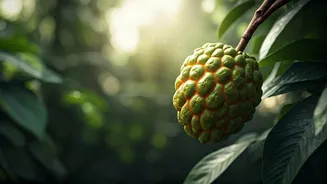
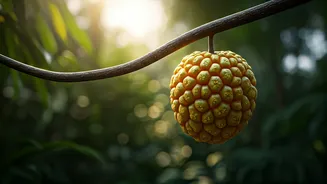
Sitaphal holds a special place in the hearts of those in India, appreciated for its versatility and delightful taste. This tropical fruit is savored in various forms: fresh, ripe, chilled, and incorporated into an array of culinary creations like smoothies, shakes, ice creams, and desserts. Its exterior is characterized by a hard, segmented green shell that softens as it ripens, revealing a creamy white to ivory pulp within, dotted with seeds. In English, sitaphal is recognized as either custard apple or sugar apple. Legend suggests its name is a tribute to Sita, a central figure in the ancient Hindu epic, the Ramayana, adding a layer of cultural significance to this beloved fruit.
Ber: The Childhood Crunch
The small, round to oval fruit known as ber evokes fond childhood memories for many Indians. Featuring reddish-brown skin, its flesh provides a pleasingly sweet and satisfying crunch. This fruit, originating from South Asia, parts of China, Southeast Asia, and Central and West Africa, is referred to as the Indian jujube or Chinese date in English. It is primarily consumed fresh as a convenient snack, though it can also be dried for extended storage or pickled. Ber is celebrated as a nutrient-dense superfood, rich in Vitamin C, dietary fiber, and antioxidants, contributing to overall well-being.
Chikoo: The Sweet Sapodilla
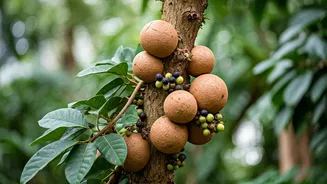
Chikoo is a ubiquitous and highly appreciated fruit in India, especially during the summer months. Roughly the size of an egg, this sweet, brown fruit is cherished for its soft, slightly grainy texture and its distinct honey-like sweetness. It can be enjoyed fresh as a simple snack, added to vibrant fruit salads, or transformed into delicious milkshakes and ice creams. Chikoo is also a key ingredient in traditional desserts like halwa. In the English-speaking world, this delightful fruit is known as sapodilla, making it accessible to a broader audience who can appreciate its unique flavour and culinary potential.