







Understanding Knee Health
Knee health is often taken for granted until problems arise. Knees are complex joints, essential for everyday movements. They bear significant weight and
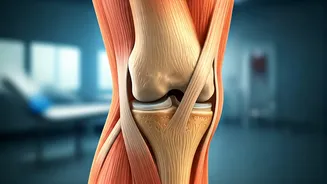
pressure, making them susceptible to wear and tear. Several factors influence knee health, including age, weight, activity level, and genetics. Understanding the anatomy of the knee, which includes bones, cartilage, ligaments, and tendons, is critical to addressing and preventing problems. For instance, the cartilage acts as a cushion, and when this degrades, it leads to pain and reduced mobility. Ligaments provide stability, and their damage can lead to instability. Being aware of these components and their functions empowers individuals to take proactive steps toward knee care. It also means recognizing early symptoms of problems, like pain, swelling, or stiffness, and seeking timely medical advice. A healthy lifestyle, with regular exercise and a balanced diet, forms the foundation of good knee health. Maintaining a healthy weight reduces the strain on the knees, while strengthening the surrounding muscles provides support and stability. This proactive approach ensures better mobility and a higher quality of life. Regular check-ups with a doctor, especially if one is experiencing any symptoms, can help in early diagnosis and intervention, which is very important for long-term knee health.
Exercise and Strengthening
Regular exercise is crucial for maintaining knee health. The right exercises can strengthen the muscles around the knee, improving stability and reducing stress on the joint. The orthopaedic doctor recommends a combination of exercises tailored to knee health. Low-impact activities, such as swimming and cycling, are gentle on the knees while providing cardiovascular benefits. These activities help improve circulation and maintain a healthy weight. Strength training, particularly focused on the quadriceps and hamstrings, is another essential aspect of knee care. Exercises like squats (performed with correct form), lunges, and hamstring curls help support the knee. These exercises should be done at least two to three times per week. They not only strengthen muscles but also improve joint flexibility. It is essential to start slowly and gradually increase intensity to prevent injury. Before starting any new exercise routine, it is wise to consult a healthcare provider. They can assess individual needs and provide guidance. Proper form and technique are critical to avoid exacerbating knee problems. For those with existing knee issues, specific exercises can help manage pain and improve function. These might include exercises guided by a physical therapist. Consistency is vital; regular exercise yields the best results. A combination of cardiovascular activity, strength training, and flexibility exercises contributes to overall knee health and well-being.
Weight Management Matters
Maintaining a healthy weight is paramount for knee health. Excess weight puts additional strain on the knees, accelerating wear and tear. Every pound of excess weight adds about four pounds of pressure on the knees when walking. This increased stress can lead to cartilage damage, inflammation, and pain. Weight management involves both diet and exercise. The orthopaedic doctor often emphasizes the importance of a balanced diet that includes a variety of nutrients. This may involve consulting a dietitian or nutritionist to create a meal plan tailored to individual needs. The plan should focus on reducing calories and including lean proteins, whole grains, fruits, and vegetables. Regular exercise, as detailed earlier, also helps burn calories and promotes weight loss. Activities like walking, jogging, and swimming are effective ways to burn calories. Weight management is not just about aesthetics; it is a critical component of knee care. Even a modest reduction in weight can have a significant positive impact on knee health. Setting realistic goals and making sustainable lifestyle changes are more effective than pursuing crash diets. This ensures the long-term benefits of weight management. Individuals should prioritize a holistic approach to weight management, combining diet and exercise with stress management and adequate sleep. These combined measures will help create a supportive environment to safeguard knee health.
Dietary Considerations
The food we consume plays a vital role in knee health. Certain dietary choices can reduce inflammation, support joint function, and promote overall well-being. The orthopaedic doctor often recommends a diet rich in anti-inflammatory foods. These include foods like fatty fish (salmon, mackerel), which are rich in omega-3 fatty acids, known for reducing inflammation. Olive oil, also high in antioxidants, is another beneficial choice. Fruits and vegetables, particularly those high in antioxidants like berries, leafy greens, and colorful vegetables, can also help. Adequate hydration is essential for joint health, as it helps lubricate the joints and maintain cartilage health. It's recommended to drink at least eight glasses of water a day. On the other hand, it's wise to limit foods that contribute to inflammation. These include processed foods, sugary drinks, and excessive amounts of red meat. A balanced diet with the right nutrients supports the body's natural ability to repair and maintain joint health. Some supplements, such as glucosamine and chondroitin, are believed to support cartilage health. However, it's essential to consult with a healthcare provider before starting any supplements. They can provide personalized advice based on individual needs and medical history. Nutritional choices, therefore, are an integral part of an overall knee care strategy.
Lifestyle Adjustments
Beyond diet and exercise, certain lifestyle adjustments can significantly impact knee health. Several daily habits can either help or harm the knees. Avoiding activities that put excessive stress on the knees is crucial. This includes limiting high-impact activities like running or jumping, especially if knee pain is present. Wearing appropriate footwear is also important. Shoes with good support and cushioning can absorb impact and reduce the strain on the knees. If one spends a lot of time standing, using a supportive mat can reduce pressure on the knees. Maintaining good posture is another important aspect of knee care. Proper posture ensures even weight distribution, reducing stress on the joints. When sitting, one should choose chairs that provide good back support and avoid prolonged sitting. Using assistive devices like a cane or a walker can also reduce the load on the knees, particularly for those with existing issues. It is important to listen to one's body. If an activity causes pain, it's essential to rest and modify the activity as needed. Regular breaks and stretching throughout the day can also help prevent stiffness and maintain flexibility. Making these adjustments can significantly enhance knee health and overall well-being. By incorporating these lifestyle modifications, individuals can extend the life of their knees and improve their quality of life. The key is to be mindful of daily habits and make choices that prioritize knee health.
Seeking Medical Advice
While proactive measures can maintain knee health, it's also essential to know when to seek medical advice. If you experience persistent knee pain, swelling, stiffness, or instability, consult a healthcare provider. Early diagnosis and intervention can prevent minor issues from becoming major problems. An orthopaedic doctor can conduct a thorough examination and may recommend imaging tests. These tests can help assess the extent of the damage. Based on the assessment, the doctor can prescribe appropriate treatment. Treatment may include physical therapy, medication, or in some cases, surgery. Physical therapy can play a crucial role in rehabilitation. It helps strengthen the muscles, improve flexibility, and reduce pain. Medication, such as anti-inflammatory drugs or pain relievers, can help manage pain and inflammation. In severe cases, surgery may be necessary to repair or replace the damaged joint. The decision to have surgery is always made after careful consideration and discussion. However, it is essential to consult a doctor whenever there are concerning symptoms. Regular follow-up appointments with your doctor can help monitor the progress and make any necessary adjustments to the treatment plan. Seeking timely medical advice can help individuals maintain their mobility, avoid complications, and improve their quality of life. The orthopaedic doctor's expertise and guidance are invaluable for managing knee health and preventing long-term problems. Proactive engagement with healthcare professionals is a key aspect of taking care of your knees.