
Sound's Healing Power
The exploration into the therapeutic potential of sound therapy for Alzheimer's disease is gaining traction. Sound therapy operates on the principle that
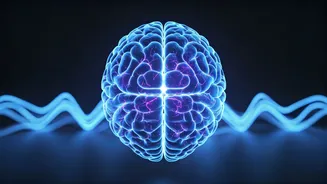
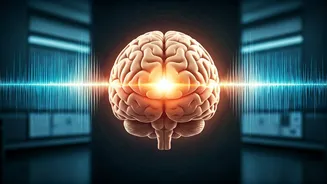
specific sound frequencies can stimulate brain activity in ways that promote healing and cognitive function. This is because sound waves can interact with the brain's neural networks, potentially influencing memory, mood, and other cognitive processes. The use of sound therapy, whether through music, specific tones, or even nature sounds, is believed to help in reducing stress and anxiety, which are often associated with Alzheimer's. The therapy is also purported to enhance the quality of life for both patients and caregivers.
Mechanisms in Action
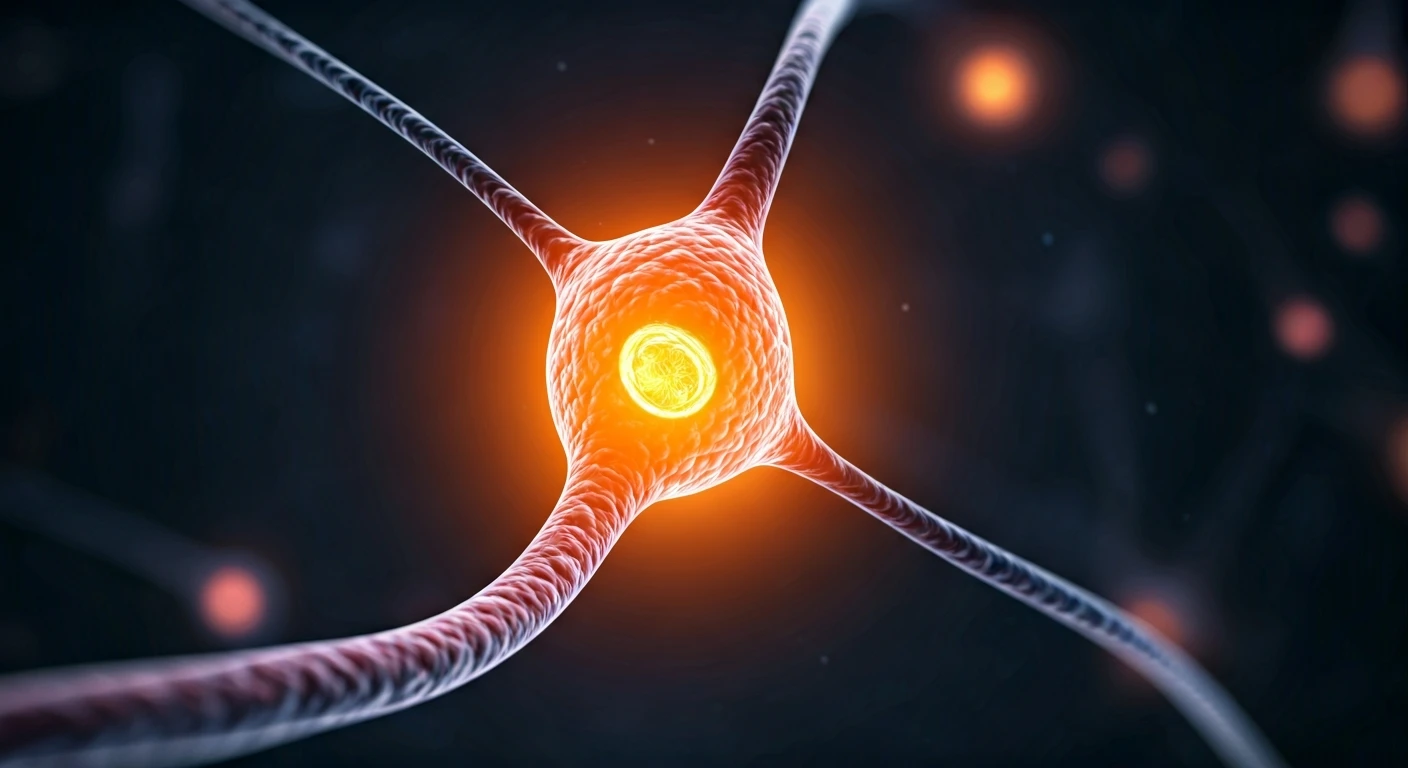
Delving into the mechanisms of sound therapy reveals how it might impact the brain affected by Alzheimer's. The sounds are believed to encourage the generation of new neural pathways and the maintenance of existing ones. In Alzheimer's, the brain experiences a decline in synaptic connections, and sound therapy may aid in mitigating this loss. Specific sound frequencies can encourage the release of neurotransmitters, like dopamine and serotonin, that are crucial for memory, mood, and overall cognitive function. Furthermore, sound therapy's non-invasive nature means it poses minimal risk, making it an attractive option for those seeking alternative therapies for Alzheimer's.
Current Research Findings
Existing research provides insights into sound therapy’s effectiveness, but further studies are imperative. Some preliminary studies have demonstrated that sound therapy can improve cognitive function, reduce agitation, and enhance the quality of life for people with Alzheimer's. The focus of these studies often involves exposing patients to carefully chosen music or soundscapes. It's essential to note that the findings are often based on small sample sizes and need to be validated by larger, more extensive clinical trials. Currently, the evidence is encouraging, but sound therapy cannot be considered a cure. The studies primarily target symptom management and overall well-being.
Benefits and Limitations
Sound therapy offers various potential benefits, while also presenting some limitations. One key advantage is its non-invasive nature, making it a safer alternative to pharmaceutical interventions. Sound therapy can be easily customized to suit individual preferences, making it adaptable to patients with varying needs and sensitivities. The limitations, however, involve a lack of large-scale clinical trials and standardized protocols. The effectiveness of sound therapy might also vary significantly depending on the individual and the stage of their disease. While it shows promise in managing certain symptoms and enhancing quality of life, sound therapy does not halt or reverse the progression of Alzheimer's. Moreover, the long-term effectiveness of sound therapy requires further investigation.
Future Directions
The future of sound therapy for Alzheimer's holds promise, with ongoing research and innovation. The scope of future research includes the identification of the optimal sound frequencies, durations, and delivery methods to maximize therapeutic effects. Experts are also delving into personalized sound therapy, which would involve tailoring sound programs to the unique cognitive profiles and preferences of each patient. Combining sound therapy with other therapies, such as medication or cognitive training, is another area of interest. Collaborations between researchers, clinicians, and technology developers are essential to advance sound therapy. Through meticulous research and development, sound therapy may have a significant role in managing Alzheimer's symptoms and improving the lives of those affected by this disease.