






Widespread Counterfeit Bust
In a significant enforcement action, authorities have successfully dismantled two clandestine manufacturing facilities operating within Delhi. This operation
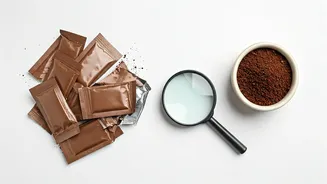
led to the confiscation of an astonishing quantity of counterfeit goods, including approximately 1 lakh fake sachets of a popular antacid brand and an additional 50,000 fake coffee sachets. The scale of this seizure underscores the pervasive and escalating issue of adulterated and imitation food products circulating in the market, posing substantial risks to unsuspecting consumers. The Delhi Crime Branch reported the incident, highlighting the arrest of four individuals involved in these illicit activities and the recovery of essential equipment such as filling machines, raw materials, and packaging supplies used to meticulously replicate original products. This coordinated effort, involving several officers and supervised by senior officials, aimed to disrupt a large-scale production and distribution network intended to flood local markets with substandard imitations.
The Growing Fake Coffee Market
The proliferation of counterfeit coffee is a persistent concern, with past instances, such as the discovery of fake coffee in international markets in 2021, highlighting its global reach. For India, the economic impact of such fraudulent products is estimated to be around Rs 1 lakh crore, intensifying the urgency for robust detection and prevention measures. International reports indicate that certain markets substitute genuine coffee with ingredients like soybeans or corn, and in some disturbing cases, even hazardous substances. Closer to home, in India, the demand for cheaper alternatives often leads to the adulteration of coffee with substances like clay and chicory powder. Chicory, derived from the roasted root of a flowering plant, offers a flavour profile that can mimic coffee with its nutty and slightly bitter notes, making it a common, albeit deceptive, additive.
Simple Coffee Purity Tests
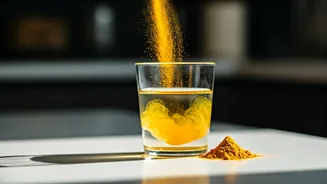
The Food Safety and Standards Authority of India (FSSAI) has provided straightforward, do-it-yourself methods to identify common adulterants in coffee. These tests are easily performable at home with basic household items. For detecting the presence of clay, one can employ a simple water-based method. By adding half a teaspoon of coffee powder to a glass of water and allowing it to settle for approximately five minutes, one can observe the results. Genuine, unadulterated coffee powder typically disperses or settles with minimal residue, whereas coffee mixed with clay will leave a distinct sediment at the bottom of the glass, indicating adulteration. This visual cue is an immediate indicator of potential contamination.
Chicory Detection Technique
To ascertain whether your coffee has been adulterated with chicory powder, FSSAI recommends another easy-to-perform water test. Similar to the clay detection method, begin by pouring a glass of water. Then, introduce about half a teaspoon of coffee powder onto the surface of the water. After waiting for roughly five minutes, observe how the coffee powder behaves. Pure coffee is expected to float and then gradually dissolve into the water. In contrast, coffee adulterated with chicory powder will also float initially but will tend to dissolve at a noticeably faster rate, often dispersing more readily across the water's surface, providing a clear distinction from the behaviour of unadulterated coffee. This difference in dissolution rate is the key indicator.
Consumer Vigilance Advised
FSSAI strongly encourages consumers to maintain a heightened sense of awareness and vigilance when purchasing packaged food items. It is imperative to meticulously check product labels for essential details, including manufacturing and expiry dates, as well as valid license numbers, before making any purchase. Should any product exhibit an unusual taste, texture, or smell, consumers are urged to immediately report these concerns to the nearest relevant authorities or food safety officers. Promoting widespread awareness about food adulteration is a critical step towards fostering a safer market. For products like antacids, any deviation from the expected taste or smell should be treated with caution, and such instances should be promptly escalated to consumer forums and the appropriate regulatory bodies.