






A Taste of Life
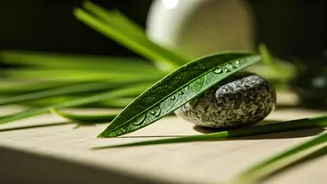
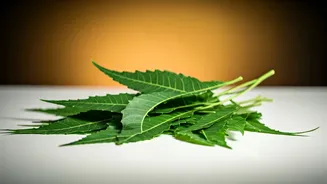
The practice of consuming neem leaves during Gudi Padwa is a deeply symbolic act, often met with a grimace by children and a knowing nod from elders. This
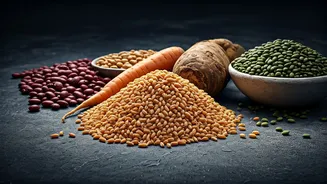
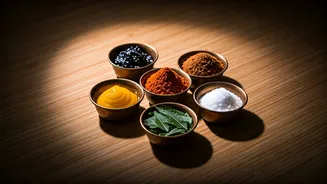
ritual is intrinsically linked to the philosophy of a well-rounded existence. Families typically prepare a special concoction that goes beyond simple neem leaves. This prasad incorporates neem leaves, their fragrant flowers, soaked chana dal (gram lentils), sweet jaggery, a touch of salt, and the tang of tamarind. The amalgamation of these distinct flavors is a microcosm of human experience. Life is rarely one-dimensional; it's a tapestry woven with threads of joy and sorrow, triumphs and setbacks. By intentionally tasting the bitterness of neem alongside the sweetness of jaggery and the sourness of tamarind, individuals acknowledge that the forthcoming year will inevitably bring a spectrum of experiences. This deliberate engagement with the 'bitter' flavors at the year's outset serves as a mental preparation, fostering an attitude of equanimity to navigate life's inevitable fluctuations with grace and composure.
Spring's Health Reset
Beyond its philosophical underpinnings, the Gudi Padwa neem ritual holds significant practical and scientific importance, especially as it coincides with the advent of Vasant Ritu, or Spring, in India. This transitional period marks the gentle departure of winter's chill and the gradual onset of summer's intense heat. During such seasonal shifts, the human body's immune defenses can often weaken, rendering us more vulnerable to various ailments. These include common skin conditions, digestive disturbances, and the onset of fevers. Neem, in this context, emerges as a remarkable natural remedy. It functions as a potent blood purifier, aiding the body in flushing out toxins. Furthermore, its anti-microbial properties offer protection against seasonal viruses and bacteria that tend to proliferate during this time. As a digestive aid, neem helps to cool the gastrointestinal system, preparing it to better withstand the increasing temperatures of the summer months. Therefore, consuming neem on the first day of the New Year is effectively a 'health reset,' designed to equip individuals with a strengthened immune system as they embark on their new journey.
Myth and Medicinal Power
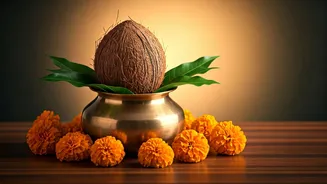
In the rich tapestry of Hindu mythology, the neem tree is revered and closely associated with concepts of healing and divine protection. Ancient lore suggests that during the cosmic churning of the ocean, known as Samudra Manthan, a few drops of 'Amrit'—the mythical nectar of immortality—fell upon the neem tree. This divine blessing is believed to have endowed the tree with its extraordinary medicinal properties. By ingesting neem on Gudi Padwa, devotees not only partake in a tradition but also pay homage to the potent healing capabilities inherent in nature. It serves as a poignant reminder that genuine 'wealth' is intrinsically linked to good 'health.' In many households, this sacred mixture is first offered to the Gudi, the ceremonial flagpost erected for the festival, thereby sanctifying the act of consumption as a divine blessing and a gesture of gratitude.
Prasad's Balanced Message
The Gudi Padwa prasad, with its carefully chosen ingredients, encapsulates a profound metaphor for a perfectly balanced life. Each component carries a distinct symbolic weight. The bitter neem represents the inevitable hardships and challenges life presents, as well as the crucial aspect of good health. Jaggery, with its inherent sweetness, stands for happiness, joy, and overall prosperity. The sourness imparted by tamarind signifies the zest, excitement, and occasional difficulties that add complexity and flavor to our existence. Finally, the saltiness contributes the essential essence and fundamental taste that makes life, in its entirety, meaningful and rich. Together, these flavors create a holistic representation of the human journey, encouraging a mindful acceptance of all experiences.