




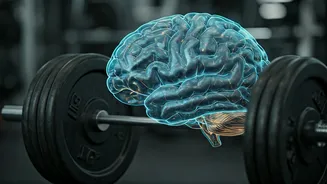

Understanding 'Rusty Brain'
The sensation of one's brain 'getting rusty' isn't a formal neurological diagnosis but rather a descriptive term for a noticeable dip in cognitive agility.
This manifests as a general feeling of mental sluggishness, reduced alertness, and a slower pace in processing thoughts and information. Essentially, it's a state where your mental faculties don't feel as sharp or responsive as they typically do, impacting daily functioning and the ease with which you tackle tasks. This cognitive dullness can be unsettling, but it's often a signal that lifestyle factors need attention rather than indicating a serious underlying disease.
Common Causes of Decline
Several daily habits can contribute to this cognitive decline. Chronic sleep deprivation is a primary culprit, as insufficient rest hinders the brain's essential repair and consolidation processes. Inadequate nutrition, particularly diets rich in processed foods, sugar, and unhealthy fats, deprives the brain of vital nutrients and energy. Prolonged periods of stress release hormones like cortisol, which can be detrimental to brain cells and cognitive functions such as memory and learning. Additionally, a lack of physical activity reduces crucial blood flow and the production of brain-derived neurotrophic factor (BDNF), vital for neuronal health. Social isolation and a lack of mentally stimulating activities also play a role, leading to diminished cognitive engagement and a decline in mental sharpness.
Recognizing the Warning Signs
The signs that your brain might be losing its edge often start subtly but become more apparent over time. A primary indicator is a consistent difficulty in concentrating or maintaining focus on tasks. You might also experience more frequent memory lapses, not just for names but for recent events or conversations. Your processing speed may slow down, meaning it takes you longer to understand new information or respond to questions. Problem-solving and decision-making can also become more challenging, accompanied by a reduction in creativity and initiative. Finally, an increase in irritability or feeling easily fatigued, especially after mental exertion, can signal that your brain is struggling to perform optimally.
Who is More Vulnerable?
While anyone can experience periods of reduced mental sharpness, certain groups are inherently more susceptible. Aging individuals naturally experience some cognitive changes, though lifestyle can significantly mitigate this. Those with sedentary lifestyles are at higher risk due to reduced brain oxygenation from a lack of physical activity. High-stress professionals, often dealing with long hours and demanding workloads, frequently suffer from chronic stress and sleep deprivation, directly impacting their cognitive functions. Individuals managing chronic health conditions like diabetes, hypertension, or cardiovascular disease can also experience cognitive decline due to systemic effects. Furthermore, people with consistently unhealthy dietary habits or those struggling with mental health concerns like depression and anxiety are more prone to experiencing 'rusty brain' symptoms.
Strategies for Brain Revitalization
Fortunately, proactive lifestyle adjustments can effectively combat and prevent a 'rusty brain.' Prioritizing quality sleep, aiming for 7-9 hours nightly, is paramount for brain restoration and memory consolidation. Adopting a brain-healthy diet rich in whole foods, lean proteins, healthy fats, fruits, and vegetables, while reducing processed sugars, provides essential fuel. Engaging in regular physical activity, at least 150 minutes of moderate-intensity exercise weekly, boosts blood flow and neurogenesis. Implementing stress management techniques like meditation or mindfulness helps mitigate the negative impacts of cortisol. Continuous learning and mental stimulation through activities like reading, puzzles, or learning a new skill keep the brain agile. Finally, maintaining active social connections is crucial for both cognitive health and emotional well-being.
When to Seek Help
While lifestyle changes are highly effective in managing a 'rusty brain,' it's important to recognize when professional guidance is necessary. If any of the symptoms you are experiencing are worsening significantly, persist despite your efforts to improve your lifestyle, or cause considerable distress and impairment in your daily life, consulting a healthcare professional is advised. This could involve speaking with your general physician or a neurologist. They can conduct thorough assessments to rule out any underlying medical conditions that might be contributing to your cognitive symptoms and provide personalized recommendations or treatments to ensure your brain health is optimally supported.