







The Appeal of Snow
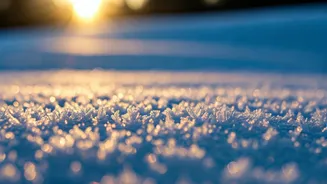
The allure of fresh, untouched snow often tempts people to indulge in a taste. It appears clean and pure, a pristine canvas of nature's artistry. The crisp,
refreshing sensation in the mouth can be incredibly inviting. Children, especially, find joy in catching snowflakes on their tongues. This impulse to taste the snow is natural, but it's essential to pause and consider what might be hidden within the delicate flakes. While the initial appearance suggests purity, various environmental factors can contaminate snow, making it a potential health risk.
Hidden Contaminants in Snow
Snow, despite its seemingly pristine nature, can accumulate pollutants from the atmosphere. Airborne particles, such as dust, soot, and various chemicals, can become trapped in snowflakes as they form. Furthermore, snow can absorb pollutants from the air as it falls to the ground. These might include exhaust fumes, industrial emissions, and even agricultural chemicals. Heavy metals like lead and mercury, originating from industrial processes and older infrastructure, can also find their way into the snow. In urban environments, snow can pick up contaminants from roads, including salt, oil, and other debris, during its descent and when it settles on surfaces.
Sources of Snow Pollution
The origin of snow significantly influences its safety. Snow that falls in areas with high levels of air pollution is more likely to contain harmful contaminants. Industrial zones, areas with heavy traffic, and regions near power plants often have elevated levels of pollutants in the atmosphere. The proximity to roadways introduces the risk of pollutants such as road salt and oil. Even in more remote areas, snow can still be impacted by pollution that has traveled long distances. Wind can carry these airborne pollutants, depositing them in snow far from their original sources, making it crucial to assess the local environment before considering snow consumption.
Evaluating Snow's Safety
If you're contemplating eating snow, consider several factors to minimize any potential risks. First, observe the area. Is the snow in a clean, natural environment, or is it near roads, factories, or other potential pollution sources? Freshly fallen snow is generally considered safer than snow that has been on the ground for a while, as it hasn't had time to accumulate pollutants. Avoid eating snow that has a yellow or discolored appearance, which may indicate the presence of contaminants. In addition, it's wise to avoid snow during or shortly after a rain event, as rain can wash pollutants out of the air and deposit them in the snow.
When to Avoid Snow
There are situations when consuming snow is clearly inadvisable. Never eat snow that has been in contact with surfaces like the ground, cars, or buildings. These surfaces can harbor bacteria, chemicals, and other contaminants. Snow near roads is also a definite no-go due to the potential presence of road salt, oil, and vehicle exhaust. Avoid snow that has any unusual color or odor. This could signal the presence of pollutants. If you have any doubts about the snow's cleanliness or origin, it's always best to err on the side of caution and abstain from eating it. Your health is the top priority, and it's better to be safe than sorry.
Making Informed Choices
Ultimately, the decision of whether or not to eat snow is personal. By understanding the potential risks and applying the guidelines discussed, you can make an informed choice. Assess the environment, consider the snow's appearance, and evaluate the risks before deciding. While the allure of fresh snow can be tempting, prioritize your health and well-being. If you are uncertain about the snow's safety, consider other ways to enjoy winter. Take a moment to appreciate the beauty of snowfall from a distance. Consider engaging in snow-related activities, such as building a snowman, or simply marveling at the beauty of the winter landscape.