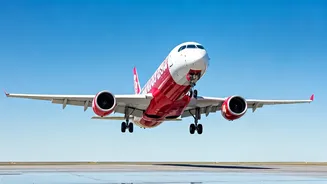

AirAsia's Fleet Expansion
Reports suggest that AirAsia is on the verge of finalizing an agreement with Airbus, potentially involving approximately 100 A220 jets. This could significantly
impact the airline's fleet size, providing it with new aircraft to support its operational requirements. The decision underscores AirAsia's confidence in the aviation market's growth and its strategic focus on expanding its capacity. The acquisition of these jets would enable AirAsia to enhance its route network, potentially extending its reach to new destinations while improving operational efficiency. This planned expansion reflects AirAsia's ambitious plans to cater to an increase in passenger demand and further strengthen its position in the competitive airline industry.
Airbus and the A220
Airbus is reportedly close to securing a deal that would involve selling around 100 A220 jets to AirAsia. The A220, known for its fuel efficiency and adaptability, has become a popular choice among airlines looking to modernize their fleets. The A220's design allows it to operate effectively on various routes, offering a balance between operational costs and passenger comfort. This prospective agreement would be a significant win for Airbus, enhancing its market position in the narrow-body aircraft segment. The A220's features are designed to meet the evolving demands of the aviation sector, making it an attractive option for carriers looking to optimize their operations and cater to passenger preferences. This agreement showcases Airbus's strong sales performance and its capability to provide advanced aircraft solutions.
Market Dynamics and Trends
The aviation industry is subject to fluctuations from different factors like possible strikes in the United States. Also, airlines continually make changes according to market trends and operational requirements. AirAsia's initiative to acquire additional aircraft reflects its forward-thinking approach to managing these challenges. This strategy enables the airline to maintain operational flexibility and respond to changing market demands. The move underlines the importance of making strategic decisions to guarantee operational effectiveness and competitiveness within a fluctuating business environment. The deal could contribute to the overall dynamics of the airline industry, particularly in the Southeast Asian market, by boosting competition and providing passengers with additional options. This strategic fleet decision highlights AirAsia's dedication to sustainable growth in the aviation sector.