





The Biryani Obsession
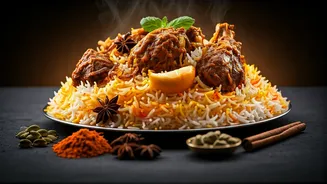
Biryani is more than just a dish in India; it's a cultural phenomenon, a symbol of celebration that graces family gatherings, festive occasions, and even
solitary cravings. Its layered composition of rice, meat, and aromatic spices evokes a sense of comfort and joy. While debates about regional variations—whether it should be spicy or mild, cooked using the dum method or pressure cooker—are commonplace, the universal love for this culinary masterpiece remains unwavering. For many home cooks, achieving the restaurant-quality punch of biryani can feel like an overwhelming task, often leading to a muddled flavor profile from an excess of spices. However, a recent revelation from Hyderabad suggests that the path to biryani perfection might lie not in abundance, but in strategic simplicity, a notion championed by those who prepare it on a grand scale.
Wedding Cook's Revelation
A seasoned cook from Hyderabad, known for preparing biryani for large wedding feasts, has shared a groundbreaking secret that is creating a stir. In a viral conversation, this culinary expert demystified the process, asserting that the exquisite taste of their biryani hinges on the judicious use of just four fundamental spices. This approach, far from being a mere suggestion, is presented as the key to unlocking the authentic Hyderabadi essence. The cook, in collaboration with Chef Velton Saldanha who shared the insight, highlighted these everyday ingredients as the cornerstones, working in harmony with staples like rice, meat, and ghee to create a dish that resonates with tradition and flavor. This simple yet profound revelation challenges the notion that complex biryanis require an extensive spice list.
The Quartet of Flavors
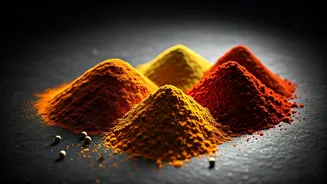
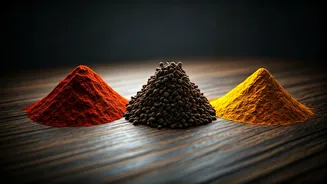
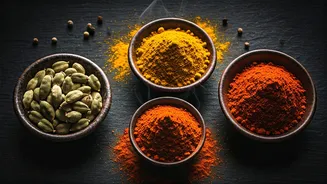
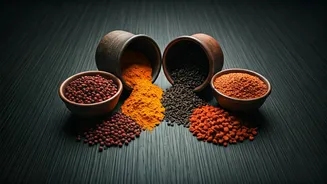
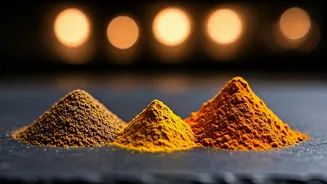
The four secret ingredients identified by the Hyderabadi wedding cook are Daalchini (cinnamon), Laung (cloves), Shahi jeera (black cumin), and Hari elaichi (green cardamom). The wisdom behind limiting the spice palette to these four lies in their ability to enhance, rather than overpower, the inherent flavors of the primary ingredients—the meat and the rice. Cinnamon introduces a gentle, warm sweetness, while cloves offer a robust, earthy pungency. Shahi jeera contributes a distinctive smoky, nutty undertone, and green cardamom imparts a fresh, aromatic lift. When used thoughtfully, these spices work synergistically to create a balanced and complex flavor profile without muddying the dish. The cook's dismissal of additional spices underscores the belief that these four are sufficient to achieve the true Hyderabadi biryani character, especially in the context of slow-cooked, wood-fired wedding preparations that thrive on nuanced depth.
Regional Debates Ignited
This revelation of simplicity has predictably ignited conversations and debates among biryani aficionados across the nation. Chef Saldanha's accompanying caption, "Don't shoot the messenger," acknowledges the potential controversy. Reactions on social media have been varied, with some celebrating the elegance of this minimalist approach, while others passionately defend regional distinctions, referencing iconic elements like the potato in Kolkata biryani or the tartness characteristic of Lucknow's version. The Hyderabadi style itself is rooted in Mughlai culinary traditions, emphasizing the slow-melding of flavors through the dum cooking technique. For home cooks aspiring to replicate this authenticity, the advice translates to foregoing pre-made biryani masala packets and instead embracing a more fundamental understanding of how individual spices contribute to the final taste.