






A Month of Change
Ramadan in India signifies more than just fasting; it fundamentally alters the fabric of everyday existence for its observers. This sacred month introduces
a new rhythm to life, impacting when people eat, work, and interact socially. The start of Ramadan is determined by the sighting of the new moon, a process that can introduce an element of suspense. For the year 2026, this anticipation is heightened due to a rare annular solar eclipse scheduled for February 17. This astronomical event is expected to obscure the moon, making the traditional sighting on that evening impossible and potentially delaying the official commencement of the holy month. The Islamic lunar calendar, on which Ramadan is based, is approximately 10 to 11 days shorter than the Gregorian solar calendar, causing Ramadan to fall earlier each year. Consequently, the precise start date in India, anticipated around Thursday, February 19, 2026, will be confirmed only after communities complete 30 days of the preceding month, Shaban, and the moon's confirmation is received.
Daily Rhythms Shift
The observance of Ramadan introduces a significant shift in the daily schedule, beginning well before sunrise. Around 3:30–4:00 AM, neighborhoods awaken to the call of mosque loudspeakers or dedicated "Sehri-wallas" for the pre-dawn meal, known as Sehri or Suhoor. Families gather for substantial meals featuring regional specialties like Pheni and Khajla, designed to provide sustained energy throughout the day's fast. The fasting period is not merely about abstaining from food and drink; it's also a time for spiritual discipline, encompassing patience, mindfulness, and refraining from negative behaviours like gossip, often termed "Extraordinary Fasting." Workplaces typically accommodate this lifestyle change with flexible hours or earlier departures. As sunset approaches, the atmosphere transforms, with streets filling with the tempting aromas of Iftar preparations, including Pakoras, Samosas, and Jalebis, marking the breaking of the fast traditionally initiated with dates and a refreshing drink like Rooh Afza.
Community and Connection
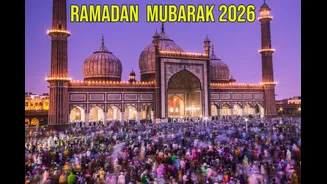
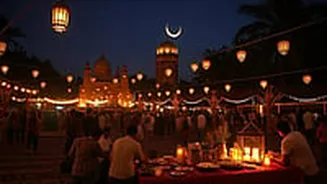
Iftar, the breaking of the fast, transcends private meals to become a powerful communal experience in India. Mosques often host large gatherings, opening their doors to people from all walks of life, fostering a profound sense of unity and shared celebration. Following Iftar, mosques become centres of spiritual activity with Taraweeh prayers, and the vibrant energy extends into the night, with food stalls remaining open, catering to those seeking light snacks after prayers. The period of waiting for official moon confirmation, known as the "Night of Doubt," is a cherished aspect of Indian Ramadan culture. This anticipation not only heightens the excitement for the holy month but also reinforces the bonds within communities as they await the shared signal to begin. This collective experience underscores Ramadan's role in strengthening social ties and promoting inclusivity.
Spiritual and Giving Spirit
Beyond the daily routines and communal gatherings, Ramadan in India is deeply rooted in spiritual reflection and acts of charity. The practice of abstaining from worldly pleasures serves as a powerful catalyst for introspection, cultivating virtues such as patience, empathy, and heightened awareness. This internal focus encourages individuals to connect more deeply with their faith. Furthermore, the month is a significant period for practicing Zakat, the obligatory charity, where many Muslims dedicate their resources to support those less fortunate. This emphasis on giving back to society is a cornerstone of Ramadan, reinforcing compassion and solidarity. The shared meals, prayers, and social interactions throughout the month collectively strengthen familial and community relationships, creating a pervasive atmosphere of generosity and mutual support.
Food Traditions Abound
Ramadan culinary practices in India are as diverse as its population, with distinct regional flavours gracing both Sehri and Iftar tables. While specific dishes vary, the spirit of abundance and sharing is universal. In South Asia, including India, popular Iftar items like Samosas, crisp Pakoras, sweet Jalebis, and refreshing fruit chaat are staples. Sehri meals are typically more substantial, often featuring dishes such as Parathas, Khichdi, or Halwa to sustain energy throughout the day. Street vendors and mosque kitchens contribute significantly to the festive food scene, offering elaborate spreads. This emphasis on food, while a joyous part of the observance, is balanced by the spiritual imperative of fasting, making the meals shared during Ramadan particularly significant and savored after a day of abstention.