







Shared Slumbering Space
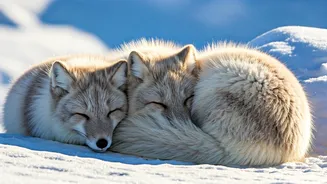
The practice of animals huddling together for sleep is a testament to the powerful instinct of seeking safety and warmth in numbers. It is especially prevalent
in social species, where physical contact reinforces bonds and reduces stress. Animals that sleep in groups gain several advantages: they can pool their resources to keep warm, and the presence of others increases the chances of detecting and avoiding predators. This behavior transcends mere survival strategies; it is also a fundamental aspect of social cohesion. The act of touching releases endorphins, creating feelings of contentment and reducing feelings of isolation. This creates a circle of positive reinforcement: the animals become more comfortable and less vulnerable together, and the group bond strengthens through constant physical interaction. In addition to providing warmth and safety, cuddling also helps with social bonding and plays a critical role in the development and preservation of family structures.
Embracing for Warmth
Cold weather is a major factor in animals cuddling together to sleep. Many animals, especially those that are smaller or have less body fat, depend on shared body heat to maintain their internal temperatures during chilly nights. Animals like meerkats, known for their elaborate social structures, often huddle together to combat cold temperatures. Their close-knit arrangement, often in small packs or families, minimizes heat loss by reducing the surface area exposed to the cold, thereby ensuring survival in harsher climates. Penguins present another example. They gather in dense groups during freezing conditions, known as huddles, where they rotate positions to ensure everyone gets a turn in the warmest part of the cluster. This coordinated behavior reduces the risk of hypothermia for the entire group. This instinct is so powerful that even animals that are not naturally social, such as bats, may resort to sharing spaces for warmth.
Strength in Numbers
For many animals, cuddling is a critical survival technique that increases vigilance against predators. Sleeping in a group provides increased security, since multiple pairs of eyes and ears are available to keep watch. One animal can remain alert for threats while the others rest. If any danger arises, the group is better prepared to react and protect themselves. This protective behavior is quite common across the animal kingdom. For instance, many species of birds will roost together in large flocks, with some individuals staying awake to watch for nocturnal predators. Likewise, larger predators, such as lions, often sleep in close proximity, each taking shifts to stay awake. This communal alertness significantly reduces the likelihood of an ambush. Even simple arrangements of cuddling may serve as a deterrent. The more a predator struggles to isolate a single prey, the less likely it is to give chase.
Building Social Bonds
Beyond warmth and safety, cuddling plays a major role in developing and sustaining social bonds. Physical contact is a powerful method of reinforcing social connections. Animals that cuddle together are often signaling trust and affection. This can be seen in primates, where grooming and close proximity are essential aspects of social structures. The sharing of sleeping spaces strengthens these bonds, as animals demonstrate vulnerability and share their most vulnerable time. For several species, the act of cuddling is especially significant in the rearing of young. The cuddles reinforce the strong connection between a mother and her young, which helps with the development of social and emotional intelligence. For example, lion cubs snuggle with their mothers and each other, which strengthens family bonds and promotes social skills.
The Cuddling Champions
Now let’s look at some specific examples of animal cuddlers. Firstly, we have penguins. They form extremely dense huddles to keep warm in freezing environments. Second, primates, like chimpanzees and gorillas, often cuddle to show affection. Meerkats, known for their social bonds, sleep in groups, offering warmth and security. The well-known bats, which are also known for their incredible ability to fly, sometimes roost together to maintain warmth. Sea otters are also known to hold hands when sleeping, stopping them from drifting apart. Cats, domesticated and wild, frequently cuddle with each other and their human companions. Dogs, both wild and domesticated, frequently sleep in close quarters to gain the benefits of cuddling. And finally, lions, majestic predators that sleep together to ensure safety and maintain their group structure.