

The Trend Treadmill
In today's digital age, social media feeds bombard us with an endless stream of new micro-aesthetics, creating a dizzying cycle of consumption that can
feel utterly exhausting. This relentless churn of trends, with new styles emerging almost weekly, makes it challenging to keep up and can foster a sense of inadequacy. It’s a landscape designed for constant novelty, where the pressure to acquire the latest items can lead to a feeling of being perpetually behind. This phenomenon highlights the superficiality of fashion when it's driven solely by the desire for newness, often at the expense of thoughtful personal expression. The rapid obsolescence of trends leaves many feeling overwhelmed and disconnected from their own evolving sense of self, trapped in a loop of temporary gratification that quickly fades into the next wave of manufactured desire. This constant pressure to adapt to the latest aesthetics can drain both our resources and our mental energy, making the pursuit of what's 'in' a tiring endeavor.
Style: An Inner Compass
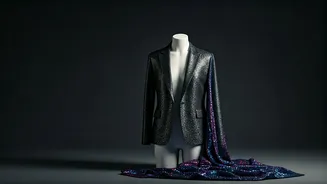
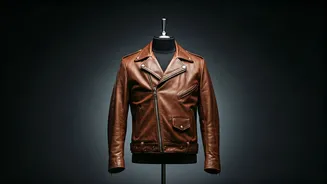
Amidst this rapid trend cycle, the enduring wisdom of Yves Saint Laurent's declaration, 'Fashions fade, style is eternal,' emerges as a refreshing perspective. While Saint Laurent famously popularized this sentiment, its roots can be traced back to Coco Chanel's equally impactful statement, 'La mode passe, le style reste' (Fashion passes, style remains). Saint Laurent, however, masterfully applied this philosophy to the modern wardrobe, aiming to create pieces that transcended seasonal limitations. His introduction of iconic items like Le Smoking, the definitive women's tuxedo, and the safari jacket, weren't mere fleeting fads; they represented significant, foundational shifts in personal presentation that retain their power even decades later. These pieces are not about adhering to a trend, but about embodying a certain confidence and individuality that remains relevant regardless of the prevailing fashion climate. This distinction between fashion, as an external and changeable industry, and style, as an internal and consistent expression of self, is crucial for developing a lasting personal aesthetic that feels authentic and empowering.
Fashion as Commerce
The fundamental divergence between fashion and style lies in their very nature: fashion operates as an industry, while style embodies an identity. The fashion industry thrives on constant attention, preying on the anxiety of obsolescence to drive sales. It promotes bold logos, viral internet aesthetics, and seasonal collections designed to make your existing wardrobe feel outdated almost overnight. This business model is inherently built on the concept of rapid decay, compelling consumers to continually purchase new items to remain relevant. Conversely, cultivating personal style requires a deeper, more introspective process. It demands self-knowledge – the quiet, assured understanding of what genuinely complements your unique physique and lifestyle. It's about making choices that resonate with your inner self, like opting for the understated elegance of a hand-woven garment over a rigidly structured ensemble dictated by a trending algorithm. True elegance speaks for itself, requiring no external validation or loud pronouncements to be recognized and appreciated.
The Quiet Luxury Shield
We are witnessing a cultural shift as the breakneck pace of disposable fashion begins to lose its appeal, prompting a widespread return to heritage and minimalist sensibilities. Saint Laurent's timeless quote has become a foundational principle for the burgeoning quiet luxury movement, reflecting a collective yearning for permanence in an increasingly ephemeral world. The distinction between fashion and style mirrors the difference between a trendy gadget designed to be obsolete in a couple of years and a meticulously crafted vintage mechanical watch from a renowned house like Patek Philippe. One simply serves a functional purpose, while the other tells a story of enduring craftsmanship and lasting value. This evolving perspective is reshaping how we approach our wardrobes, challenging the notion that constant updates are necessary. Embracing timeless designs offers not just a sartorial advantage, but also a vital buffer against the overwhelming noise of the trend cycle. While fashion constantly attempts to dictate who you should be, style is the confident realization of who you already are.
Economics of Permanence
This paradigm shift is fundamentally altering our perception of personal wardrobes and the necessity of constant reinvention. The relentless societal pressure to continuously update one's appearance is proving to be a detrimental trap, leading to unnecessary expenditure and a diluted sense of self. Embracing enduring, classic designs moves beyond a mere aesthetic choice; it functions as a powerful shield against the exhausting and ephemeral nature of the fashion trend cycle. Fashion, in its commercial guise, constantly attempts to impose external identities upon us, suggesting who we ought to be in the current moment. Style, in contrast, is the profound act of recognizing and honoring one's intrinsic self. It is about building a personal aesthetic foundation that remains solid and true, irrespective of the transient whims of the marketplace, thereby fostering a sense of autonomy and lasting contentment. This approach promotes a more sustainable and meaningful relationship with clothing, focusing on quality and personal resonance over quantity and fleeting appeal.