





2025's Precious Metals Rise
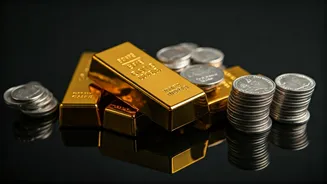
The year 2025 saw a remarkable ascent in the values of both gold and silver, attracting considerable attention from investors. The gains experienced were
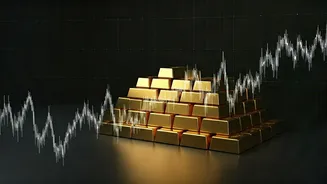
substantial, indicating a strong performance for the precious metals market. Several economic factors contributed to this positive trend. These included a complex interplay of international economic policies, including those from key economies such as the US and other global players. Rising inflation rates in some regions, along with uncertainties in global financial markets, led investors to seek the perceived safety of gold and silver. Moreover, specific supply-side dynamics, such as production rates and changes in mining output, played a role in the price appreciation observed over the period. These elements, combined, generated a favorable environment for the precious metals to flourish, resulting in notable gains for investors who had chosen to allocate their resources into these assets. The year served as a testament to the continued relevance of gold and silver as reliable investment options.
Factors Behind the Surge
Several pivotal factors drove the surge in gold and silver prices throughout 2025. One significant influence was the persistent pressure of rising inflation, particularly in several developed economies. This environment made precious metals attractive as a hedge against the diminishing purchasing power of fiat currencies. Concurrently, the state of the US dollar exerted a considerable influence. A weakening dollar often corresponds with a rise in the value of commodities priced in dollars, including gold and silver, making them more affordable for investors holding other currencies. Global economic uncertainties, including concerns about geopolitical tensions and financial market volatility, also drove investors to seek the perceived safety of precious metals. The ongoing demand from various sectors, including jewelry, technology, and investment, supported the price increase. Market sentiment also played a crucial role, with positive investor outlook and increased trading activity contributing to the upward trajectory of both gold and silver throughout the year.
Market Corrections Observed
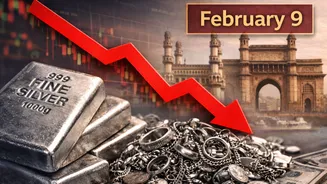
Despite the overall gains, the precious metals market in 2025 also witnessed periods of correction. These fluctuations are normal in financial markets and were largely attributed to profit-taking and shifts in market sentiment. At certain times, investors, having seen significant returns, chose to sell their holdings to lock in profits, leading to a temporary decline in prices. Furthermore, the strength of the US dollar played a role in these corrections. When the dollar experienced periods of strength, it made gold and silver more expensive for buyers using other currencies, which often triggered a reduction in demand. Changes in macroeconomic data, such as fluctuations in interest rates or shifts in economic growth forecasts, also contributed to these corrections. These periods served as opportunities for new investors to enter the market and for existing holders to rebalance their portfolios, demonstrating the dynamic nature of the gold and silver markets.
2026 Outlook: Predictions
Looking forward to 2026, the outlook for gold and silver remains complex, influenced by a multitude of economic variables. Inflation is expected to continue to be a key determinant, with its trajectory affecting investment decisions. The performance of the US dollar will also play a crucial role; any changes in its strength could significantly impact the precious metals markets. Anticipations regarding global economic growth and geopolitical stability will also be critical, with uncertainty leading investors to gravitate towards safe-haven assets like gold and silver. Analysts are predicting a range of scenarios for the precious metals in 2026, from continued growth based on existing trends to potential corrections as the market adjusts to changing economic circumstances. Investment strategies in these metals are expected to continue to be diverse, influenced by individual risk tolerances and investment horizons, with careful monitoring of key economic indicators being essential for informed decisions.