



Pasta's Diverse World
Pasta, a beloved staple, encompasses a vast array of shapes, each designed to perfectly complement different sauces and culinary techniques. The choice
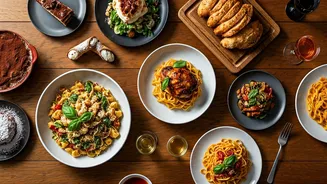
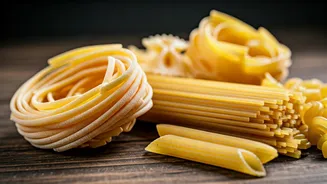
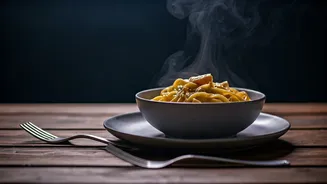
of pasta can significantly impact the final taste and texture of your dish. Long pasta varieties like spaghetti and linguine are ideal for light, oil-based sauces, allowing the sauce to cling evenly. Tube-shaped pasta such as penne and rigatoni, with their ridges, are perfect for capturing chunkier sauces, delivering flavor in every bite. Smaller shapes, like farfalle (bow tie) and fusilli (spirals), offer interesting textures and are versatile enough to pair with various ingredients, from creamy sauces to hearty vegetable combinations. The beauty of pasta lies in its adaptability. It can be paired with almost anything, making it a foundation for countless creative dishes. The shape also plays a significant role in how it feels in your mouth. Whether you’re crafting a simple weeknight meal or an elaborate dinner party spread, understanding these shapes is the first step towards pasta perfection.
Quality Ingredient Matters
The cornerstone of great pasta is the quality of its ingredients, with the type of flour playing the most crucial role. The most common pasta, made from durum wheat semolina, offers a satisfying, slightly chewy texture and holds its shape exceptionally well during cooking. Durum wheat’s high protein content contributes to this desirable al dente bite. Look for pasta that specifies '100% durum wheat semolina' on the packaging, indicating a higher quality product. Another option is pasta made with whole wheat flour, which boasts a nuttier flavor and an increased fiber content, adding a nutritional boost to your meals. In recent years, pasta makers have expanded into the realm of gluten-free alternatives, such as those made from rice flour, corn, or legumes (like lentils and chickpeas). These options open doors for those with dietary restrictions. Always consider the ingredients listed on the package, with the aim to select pasta that is made with the highest-quality flour, ensuring a superior cooking experience and a better-tasting final product.
Evaluate the Texture
The texture of pasta is a key indicator of its quality and how it will cook. Superior pasta should have a slightly rough, textured surface, often achieved by using bronze dies during the manufacturing process. This texture allows sauces to adhere beautifully, ensuring each strand is coated evenly. In contrast, pasta made using Teflon dies tends to have a smoother surface, which can cause sauces to slide off. Pay close attention to the pasta’s appearance. Examine the color, which should be a consistent, rich golden hue for durum wheat pasta. Avoid pasta that appears faded or unevenly colored, as this could suggest lower-quality ingredients or an inferior manufacturing process. Also, look for any signs of breakage or cracks. These defects can indicate pasta that won’t cook well or maintain its shape. The overall texture and visual aspects are crucial in assessing the quality of pasta. High-quality pasta will possess a texture that helps sauces cling, while the color should be inviting and consistent, ensuring a delightful eating experience.
Packaging and Storage
Proper packaging and storage are essential to preserving pasta’s freshness and quality. Look for pasta that is packaged in sturdy, well-sealed bags or boxes, which can protect it from moisture and contaminants. Transparent packaging allows you to inspect the pasta for any visual defects before purchasing. Once you've brought your pasta home, proper storage is crucial. Store uncooked pasta in a cool, dry place away from direct sunlight and heat. The pantry is often the ideal place. Make sure the package is sealed tightly after opening to prevent the pasta from absorbing moisture or attracting pests. Some pasta may also come with a best-by date. While pasta doesn't spoil in the traditional sense, it can lose quality over time. Adhering to the best-by date ensures you’re using the pasta when it’s at its peak flavor and texture. By paying attention to packaging and storage, you can ensure that your pasta remains fresh, maintains its quality, and consistently delivers the best possible taste when it hits your plate.
Understanding Pasta Types
Understanding different pasta types is a cornerstone of becoming a pasta connoisseur. Long pasta, such as spaghetti, linguine, and fettuccine, is often paired with lighter sauces, like olive oil-based or seafood-based sauces. Spaghetti, with its cylindrical shape, is perhaps the most universally recognized pasta, while linguine, a flatter noodle, works well with pesto or creamy sauces. Fettuccine, another flat noodle, is a classic choice for rich sauces, like Alfredo. Short pasta includes penne, rigatoni, and farfalle. Penne, with its angled cut, is excellent at capturing sauces, while rigatoni, with its ridges and larger diameter, is ideal for heartier sauces, like meat ragu. Farfalle, or bow tie pasta, adds a playful touch to salads and light sauces. Then there's filled pasta, like ravioli and tortellini. These pasta varieties come in diverse shapes, each designed to hold different fillings, from cheese and meat to vegetables. The choice of pasta can significantly affect the experience of a meal. Understanding the versatility of each variety allows you to make informed decisions and create dishes that truly shine.