




Choose Ripe Fruit
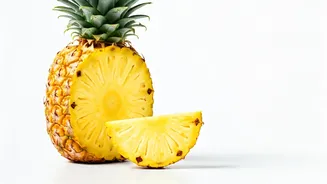
The journey to easy pineapple preparation begins with selecting the right fruit. Aim for a pineapple that displays a rich, golden-yellow hue across its
exterior, indicating ripeness. A sweet, inviting aroma emanating from the base is another strong indicator of readiness. The flesh should yield slightly to gentle pressure, signifying juiciness without being overly soft, which can lead to mushiness. Avoid pineapples that are entirely green, as they may be unripe and difficult to work with, or those that feel excessively soft, which might signal overripeness and potential spoilage. Selecting a well-ripened pineapple not only ensures superior taste but also significantly simplifies the subsequent peeling and slicing processes, making them safer and more manageable.
Trim Ends First
To establish a stable foundation for cutting, begin by removing both the leafy crown and the base of the pineapple. Place the fruit on a sturdy cutting board, ensuring it remains steady. Slice off the top and bottom portions cleanly. This action creates flat surfaces, allowing the pineapple to stand upright securely. This stability is crucial for the subsequent steps, enabling you to maintain better control during peeling and slicing, thereby enhancing safety and the overall efficiency of your fruit preparation.
Peel Upright
With the ends removed and the pineapple standing upright, you can now tackle the tough outer rind. Employ a sharp knife to carefully make downward strokes along the curved surface of the fruit. Follow the natural contours of the pineapple to peel away the skin efficiently, minimizing the removal of the sweet, edible flesh. This technique ensures a cleaner peel and helps preserve as much of the delicious fruit as possible, reducing potential waste and maximizing your yield of pineapple goodness.
Remove 'Eyes' Swiftly
Pineapple skin is characterized by its 'eyes,' which are small, tough protrusions. These eyes are arranged in distinct spiral patterns across the fruit's surface. Instead of painstakingly removing each eye individually, a more efficient method involves making shallow, V-shaped incisions diagonally along these spiral rows. This clever technique allows you to remove multiple eyes simultaneously, dramatically cutting down on preparation time and considerably reducing the amount of fruit lost during the process. The result is more sweet, usable pineapple flesh.
Slice Precisely
Once the pineapple has been thoroughly peeled and its eyes removed, you can proceed to slice it according to your preference. Consider whether you intend to create uniform rings, ideal for garnishes or desserts, or wedges, which are convenient for snacking. Whichever shape you choose, utilize a sharp knife to achieve clean, precise cuts. Aim for consistent thickness across all pieces to ensure an even texture and balanced flavour in every bite, enhancing the overall eating experience.
Core Removal
The central core of a pineapple is fibrous and can be quite tough, often detracting from the eating experience. For those slicing the pineapple into rings, the core can be easily removed after slicing by using a small circular cutter or the tip of your knife to carve out the center. If you are preparing wedges, you can simply make your cuts along the internal line of the core and discard it. Removing this fibrous part significantly improves the texture of the pineapple, making it much more enjoyable to consume.
Store for Freshness
To preserve the delightful taste and texture of your prepared pineapple, proper storage is key. If you're not consuming it immediately, place the cut fruit into an airtight container. Refrigerate this container promptly. Cut pineapple can maintain its freshness for approximately three to four days when stored correctly. Keeping it chilled not only helps to retain its natural sweetness and juiciness but also ensures that every serving remains a refreshing and delicious treat for you to enjoy at your leisure.