



Understanding Winter's Toll
As winter recedes, many experience a noticeable drop in vitality and a weakened defense system. This seasonal dip isn't sudden; it's a gradual consequence
of winter lifestyle shifts. Reduced physical activity, less sun exposure, altered sleep patterns, and a tendency towards heavier, more repetitive meals can deplete the body's nutrient reserves. Coupled with decreased hydration, these factors lead to slower digestion and potentially lower vitamin D levels. By the time winter ends, the cumulative effect is a compromised immune system, making individuals more susceptible to illness and fatigue. This decline is intrinsically linked to the gut-immune axis, meaning a sluggish digestive system directly impacts overall immunity.
Nourishing Foods for Immunity
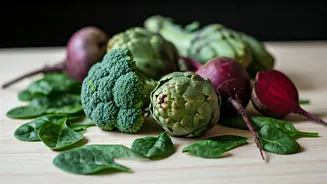
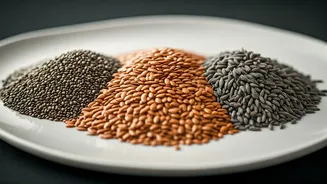
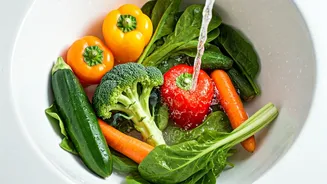
To restore balance and bolster your immune defenses, prioritize nutrient-dense foods. Fermented options like curd are excellent for repopulating the gut with beneficial bacteria, crucial for immune function, and offer protein and calcium. Papaya, rich in Vitamin C and antioxidants, supports immune health and aids digestion. Citrus fruits, brimming with Vitamin C, act as potent protectors against cellular damage. Leafy greens, such as spinach and kale, are packed with essential vitamins and minerals, including Vitamins A and C, and folate, all vital for immunity. Garlic and ginger possess powerful anti-inflammatory and antioxidant properties; garlic’s allicin combats infections, while ginger offers soothing, immune-supportive benefits. Nuts and seeds, including almonds and sunflower seeds, provide Vitamin E, zinc, and healthy fats, which are cornerstones of a robust immune system. Lastly, turmeric, with its active compound curcumin, is celebrated for its anti-inflammatory and immune-modulating effects.
Restoring Digestive Harmony
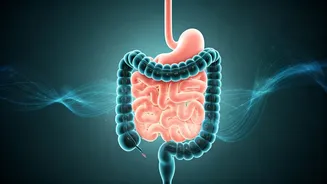
A cornerstone of a strong immune system is a healthy digestive tract, and winter diets often disrupt this balance. The emphasis on heavy, warm meals can slow down gut motility, impairing nutrient absorption even when food intake is adequate. This sluggishness can manifest as bloating, reduced appetite, or a persistent feeling of heaviness after eating. To counteract this, the dietician recommends incorporating lighter, warm meals that are easier for the digestive system to process, thereby improving nutrient uptake. Options like dals, khichdis, soups, and cooked vegetables are ideal. Additionally, seasonal fruits such as citrus, guava, papaya, and berries offer vitamin C and fiber, supporting gut health without causing irritation. Fermented foods, including curd and kanji, are essential for restoring gut bacteria, while nuts, seeds, legumes, and whole grains provide vital zinc and iron, nutrients often depleted during winter months.
Lifestyle Habits for Vitality
Beyond dietary adjustments, adopting holistic lifestyle practices is paramount for revitalizing your immunity. Consistent hydration is a fundamental requirement for all bodily functions, including immune response; aim to drink ample water throughout the day. Prioritizing adequate sleep, typically 7-9 hours of quality rest per night, is non-negotiable, as sleep is the body's primary time for repair and regeneration of the immune system. Engaging in regular, moderate exercise enhances circulation and strengthens immune cells, contributing to overall resilience. Furthermore, effective stress management is crucial; chronic stress significantly compromises immunity. Incorporating practices like meditation, yoga, or deep breathing exercises can help mitigate the negative effects of stress and promote a balanced, robust immune system ready to face any challenges.