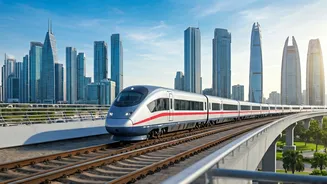








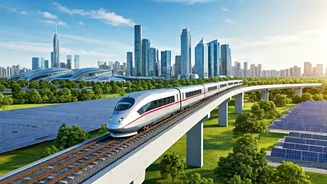
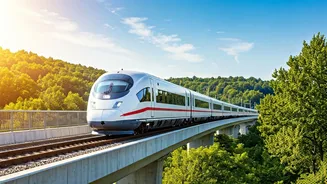
Rail Corridors Overview
The ambitious plan to build seven new high-speed rail corridors is expected to attract an investment of Rs 16 lakh crore. This significant financial commitment
highlights the government's focus on modernizing and improving the country's railway infrastructure. These new corridors are designed to connect major cities and regions, improving transportation efficiency. They aim to reduce travel times and offer a more comfortable and reliable mode of transport for both passengers and freight. The investment is expected to generate jobs, stimulate economic growth, and improve the overall connectivity of the nation. This significant investment is also expected to have a ripple effect, encouraging further development in areas surrounding the new rail lines, thus potentially boosting real estate and local economies. The project's scope underscores a commitment to integrating cutting-edge technology and infrastructure to meet the demands of a growing population and evolving economic requirements.
Investment and Impact
The proposed investment of Rs 16 lakh crore in the high-speed rail corridors will significantly impact India's economic and infrastructural landscape. This massive injection of funds is anticipated to stimulate economic growth and create a multitude of employment opportunities across diverse sectors. The project's strategic implementation is set to improve connectivity between key cities and regions, reducing travel times and enhancing trade and commerce. This enhanced connectivity may bolster the efficiency of supply chains, decrease logistics costs, and provide a competitive edge to various industries. Furthermore, the construction and operation of these high-speed rail corridors are anticipated to catalyze technological advancements and innovation within the railway sector, contributing to a more sustainable and efficient transport infrastructure. The overall impact of the investment is designed to provide better transportation solutions and promote inclusive economic development.
Transforming Train Travel
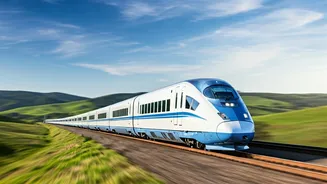
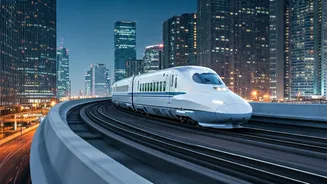
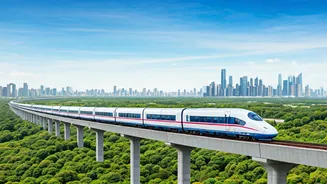
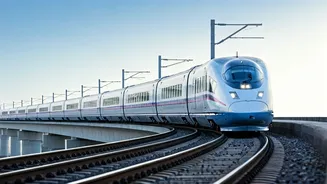
The introduction of high-speed rail corridors is poised to dramatically transform the experience of train travel in India. Faster trains will enable quicker journeys, reducing travel times between cities and facilitating more efficient movement of both people and goods. Enhanced comfort, reliability, and frequency of services are also central to the transformation, with modern, state-of-the-art trains equipped with improved amenities and features. These new corridors will integrate advanced technologies, enhancing operational efficiency and passenger safety through features such as automated signaling systems and real-time tracking. Furthermore, the shift towards high-speed rail is expected to promote a modal shift away from road and air travel, potentially mitigating traffic congestion and reducing carbon emissions. By improving connectivity and making travel more convenient, the rail corridors are set to become a preferred mode of transport, providing a more efficient, enjoyable, and environmentally friendly travel experience for all.
Economic and Social Benefits
The construction and operation of the high-speed rail corridors are expected to deliver a wide array of economic and social benefits. The creation of employment opportunities during the construction and maintenance phases will boost local economies, stimulating income and growth. Increased connectivity will provide businesses with access to wider markets, fostering trade and investment, and fostering economic activity in peripheral areas. Enhanced transport options are likely to improve access to education, healthcare, and other vital services for people living in remote or underserved regions. The increased efficiency of freight transport can reduce costs for industries, enhancing their competitiveness and spurring economic expansion. Moreover, reducing reliance on conventional transport modes may reduce traffic congestion and minimize the environmental impact of the transportation sector. These combined improvements aim to bolster the overall quality of life for citizens while fostering sustainable economic development.