





Visa Suspension Overview
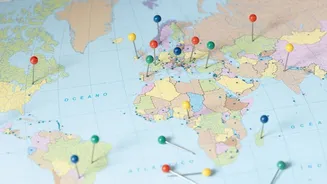
The U.S. government has decided to temporarily suspend visa processing for applicants from a total of 75 different countries. This measure is likely due
to the complexities surrounding immigration regulations and heightened scrutiny of the visa application process. This temporary hold will be in place for applicants from a variety of nations. The suspension encompasses various types of visas, potentially affecting tourists, students, workers, and others planning to enter the United States. While the official reason for the suspension has not been explicitly stated, it is anticipated that this decision will allow for a more detailed review of immigration protocols or could be related to security concerns.
Impact on Travel Plans
One of the most immediate consequences of the visa processing suspension will be the disruption to travel plans. Individuals who were scheduled to visit the United States for tourism, business trips, or personal visits will likely experience delays or cancellations. Those who have already booked flights and accommodations may be affected by the situation, and travelers should review their existing plans. This suspension affects various types of non-immigrant visas, like B-1/B-2 visas for tourism and business. Travelers are advised to check the U.S. Department of State's website for any updates on the suspension and its duration and also advised to consider alternate travel arrangements.
Education Sector Implications
The suspension of visa processing also has significant implications for international students. Students from the 75 affected countries who have been accepted into U.S. educational institutions could face complications. This may include delays in their arrival on campus, inability to start their studies at the planned time, or even the possible postponement of their education. F-1 student visas and M-1 vocational student visas are both affected. Prospective students should contact their schools for guidance and alternative measures. The suspension will undoubtedly create uncertainty and challenges for international students and educational institutions in the United States.
Work and Employment
The visa suspension will also affect individuals looking to work in the United States. Many skilled workers, researchers, and professionals who require visas for employment purposes will encounter disruptions. H-1B visas for specialty occupations, L-1 visas for intra-company transfers, and other employment-based visas could be affected. This means that companies that require international talent might face obstacles in hiring and onboarding. People already working in the U.S. under these visas might also face uncertainties in terms of renewal or extensions, depending on the scope and duration of the suspension. These delays could significantly affect various industries and sectors.
Seeking Alternative Solutions
With visa processing suspended, applicants from the affected countries need to prepare for various possibilities. If their travel plans are not urgent, they may have to postpone them until the suspension is lifted. For students and workers, consulting with their educational institutions or employers is vital. They should explore options for remote work or online courses if possible. Also, continuously monitoring official U.S. government websites for updates and changes to the visa policy is essential. As the situation evolves, staying informed and being proactive will be key for anyone affected by the visa suspension.