
Embrace the Motivation
The colder months can significantly impact our motivation levels. To combat this, set clear, achievable goals. Instead of viewing 10,000 steps as a daunting
task, break it down. Consider aiming for a specific number of steps each day or a weekly target. Track your progress regularly; this provides a sense of accomplishment and encourages consistency. Enlist a walking buddy or join a walking group for mutual support. Shared goals and social interaction can make the experience more enjoyable and keep you accountable. Reward yourself for milestones achieved; this positive reinforcement keeps you going. Focus on the benefits of exercise: improved mood, increased energy, and better overall health, serving as a powerful motivator during the colder season.
Gear Up Wisely
Appropriate gear is crucial when walking in cold weather. Start with layering. Wear moisture-wicking base layers to keep your skin dry, followed by insulating mid-layers for warmth, and a waterproof, windproof outer layer to protect against the elements. Invest in quality winter boots with good traction to prevent slips and falls on icy surfaces. Wear warm socks, ideally wool or synthetic blends, to keep your feet warm and dry. Don't forget accessories. A warm hat that covers your ears is essential to prevent heat loss. Gloves or mittens are crucial for protecting your hands, and a scarf or neck gaiter can shield your face from the wind. Consider using reflective gear, especially if walking in low-light conditions, to enhance visibility and safety.
Modify Your Routine
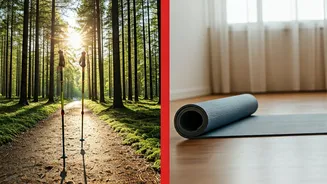
Adapting your walking routine is key to maintaining your step count in winter. If outdoor conditions are hazardous, explore indoor alternatives. Use a treadmill at the gym or in your home. Alternatively, walk at a local shopping mall or community center. Consider breaking up your steps into smaller blocks throughout the day. Instead of one long walk, take several shorter walks to accumulate your steps. Plan your route strategically. Choose paths that are well-lit and cleared of snow and ice. If necessary, shorten your route or walk in a loop. Adjust your pace according to weather conditions. Walk more slowly on icy or snowy surfaces to maintain your balance and safety. Stay hydrated; cold weather can still cause dehydration. Finally, be flexible. Some days, weather conditions may simply make it impossible to walk outdoors. Don't feel discouraged; prioritize your safety and adjust your plans as necessary.
Safety First Always
Prioritizing safety is paramount when walking in cold weather. Before you head out, check the weather forecast and plan accordingly. If the forecast calls for severe conditions, consider postponing your walk. Inform someone of your walking route and expected return time. Carry a fully charged mobile phone for emergencies. Pay close attention to your surroundings, especially for black ice, which can be difficult to see. Walk on sidewalks and paths that are regularly maintained and cleared of snow and ice. Be aware of traffic and other potential hazards. Listen to your body and take breaks when needed. If you experience any signs of hypothermia, such as shivering, confusion, or slurred speech, seek immediate medical attention. Remember that your health and safety are the most important considerations when pursuing your 10,000-step goal in the winter.