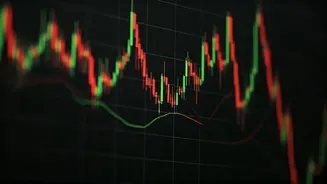










Market Downturns Explained
The stock market, a dynamic entity, experiences both surges and declines, each driven by a complex interplay of forces. These fluctuations can be influenced
by macroeconomic indicators like GDP growth, inflation rates, and interest rate adjustments implemented by central banks. For example, when inflation rises, central banks may increase interest rates to curb spending, which can negatively impact business profitability and, consequently, stock prices. Investor sentiment, often gauged by market confidence and risk aversion, is also important. Negative news, such as geopolitical tensions or unexpected economic data, can trigger a 'sell-off' as investors become risk-averse, leading to a decline in stock prices. The degree of this decline often depends on the overall market conditions and investor perception of the severity and duration of these challenges.
Economic Indicators Influence
Economic indicators are vital to understanding market performance. Positive economic data, such as strong employment figures and robust consumer spending, tend to boost investor confidence and drive up stock prices, signaling economic health. Conversely, indicators like declining manufacturing activity or rising unemployment can signal economic weakness and cause investors to sell their shares. Gross Domestic Product (GDP), representing the total value of goods and services produced in an economy, is another major factor. Strong GDP growth often supports corporate earnings, leading to higher stock valuations. Inflation rates significantly affect market behavior as they erode purchasing power and can lead to adjustments in monetary policy, influencing interest rates and subsequently, market sentiment. Therefore, investors closely monitor these indicators to gauge the direction of the market and make informed decisions about their investments.
Geopolitical and Global Events
Geopolitical events, from international conflicts to shifts in trade policies, can have a profound impact on stock markets. Political instability, trade wars, or major geopolitical tensions create uncertainty, leading investors to become cautious. For instance, trade disputes can disrupt supply chains and reduce corporate earnings, causing stock prices to fall. International events like elections or policy changes in major economies also affect the market because changes in government policy can alter the regulatory landscape and affect specific sectors. Global events, such as pandemics or natural disasters, can trigger significant market corrections, as they impact economic activity and investor confidence. The interconnected nature of the global economy means that events in one region can have ripple effects worldwide, influencing market behavior and investment strategies.
Investor Sentiment and Reactions
Investor sentiment plays a major role in determining market movements, driven by fear and greed. Market confidence, the overall feeling of optimism or pessimism among investors, strongly influences how stocks are valued. Positive sentiment, fueled by favorable news and economic indicators, can lead to a 'bull market' where prices rise steadily. Conversely, negative sentiment, caused by unfavorable news or economic uncertainty, can lead to a 'bear market,' characterized by falling prices and investor caution. Herd behavior, where investors follow the actions of others, can amplify market fluctuations. A small piece of negative news might cause some investors to sell, which causes others to panic, leading to more selling and a rapid price decline. Effective risk management, a cautious approach, and a long-term investment strategy are, therefore, vital in navigating the stock market's emotional and sometimes unpredictable nature.