





Ajwain's Warmth Within
Ajwain, also known as carom seeds, is a staple in Indian kitchens, particularly during winter. It's not just a flavour enhancer; it’s a powerhouse for
warming the body. Known for its digestive properties, ajwain helps keep the internal system running smoothly, a vital function during colder months. The best part is its versatility: you can add ajwain to parathas, dals, or even just chew on a few seeds after a meal. This not only aids digestion but also gives a pleasant warmth. Think of it as a tiny seed, packing a punch of internal heat and comfort. It's a simple, effective way to combat the cold from the inside out and helps you enjoy the winter season more fully.
Ghee: Golden Winter Fuel
Ghee, or clarified butter, is an integral part of Indian cooking and plays a significant role in keeping the body warm. Its rich, nourishing qualities make it a perfect addition to winter meals. Ghee is loaded with healthy fats that help to keep the body warm by providing internal insulation. A spoonful of ghee melted over roti, dal, or khichdi is a tradition for many during the colder months. Ghee assists in improved digestion and is an excellent source of energy, ensuring you feel full and revitalized. Ghee's natural goodness contributes to overall well-being, enhancing the body’s ability to thrive in the winter's grip. It is a simple addition to your meals for added warmth.
Sesame Seeds (Til) Magic
Sesame seeds, or til, are another essential ingredient for the winter season, valued for their heat-generating and nutritional properties. Til is a powerhouse of essential minerals and fatty acids, and it helps the body retain warmth. Til chikki, laddoos, or simply adding sesame seeds to your dishes becomes a tasty and effective way to warm up. Til’s properties not only keep you warm but also provide vital nutrients during the colder months. The incorporation of til into your winter diet guarantees that you not only feel the warmth but also nourish your body. The versatility of sesame seeds makes it easier to include in your diet, ensuring you stay warm and content all winter long.
Bajra's Warming Embrace
Bajra, or pearl millet, is a staple grain, particularly cherished during winter. This hearty grain is inherently warming and provides sustained energy, helping to combat the cold. Bajra rotis or khichdi are popular winter choices that offer a comforting meal. Bajra not only provides warmth but is also full of fiber and nutrients, promoting digestive health. As a high-fiber grain, it ensures you feel fuller for longer. Including bajra in your winter diet is an easy way to experience the benefits of warmth, making it the perfect choice to embrace the season’s chill. This unassuming grain packs a punch in taste and comfort.
Ginger's Spicy Warmth
Ginger is known for its incredible medicinal properties, especially during winter. Its natural heat-generating abilities and anti-inflammatory characteristics make it a go-to remedy during the colder months. Ginger is packed with bioactive compounds, such as gingerol, that help boost your body's temperature. It can be consumed in various forms, such as grated into tea, used in curries, or even eaten raw with a pinch of salt. Ginger assists in improving digestion and also contributes to the body's immunity. Its robust properties make it an indispensable ingredient in winter, making you feel warm and energized. Ginger's aromatic, spicy nature adds to its appeal, making it a warming experience.
Moong Dal's Winter Comfort
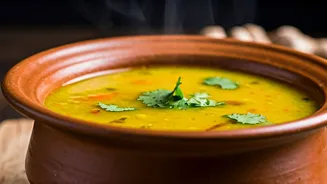
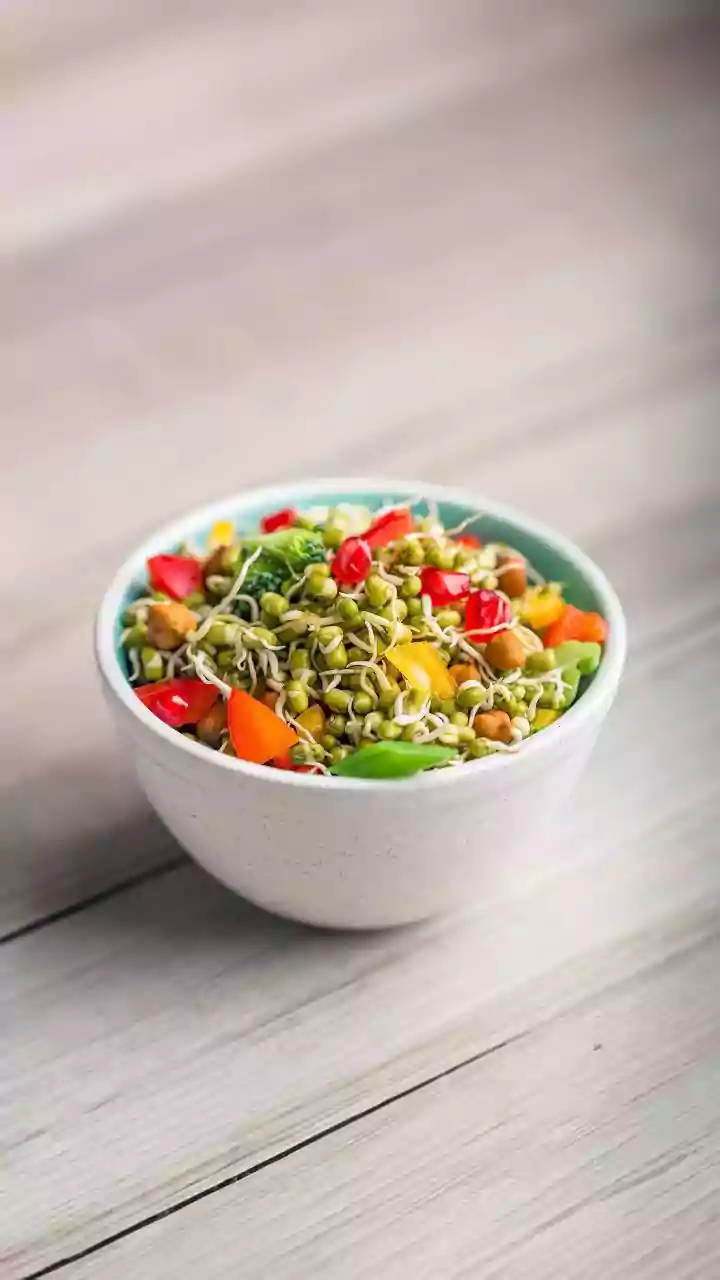
Moong dal, or split green gram, is a nutritious and comforting food choice during winter, appreciated for its warming nature and easy digestibility. It's an excellent source of protein and essential nutrients that fuel your body during the colder months. Moong dal khichdi or soups are great options to add to your winter diet because of their lightness, making them easily digestible and satisfying. Moong dal is not only warm but also supports good digestive health, crucial during the colder months. It’s light nature makes it the best choice for all the age groups. Adding moong dal to your winter meals makes sure you stay warm and get essential nutrients, making the season more enjoyable.




![[WATCH] 'Real Madrid, Ramadan and rest' - Mohammed Siraj how last-minute World Cup call-up changed February plan](https://g-mob.glance-cdn.com/public/fc/image/ByYT_LEmlrD0.webp)