





Amla: Vitamin C Powerhouse
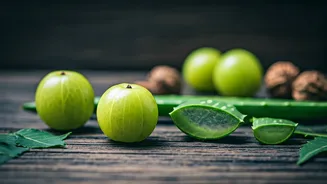
The humble Amla, or Indian Gooseberry, stands out as a remarkable source of Vitamin C, offering an astonishing twenty times the amount found in oranges.
This powerful fruit is instrumental in enhancing the body's ability to absorb iron, a crucial mineral often depleted during illness. Its abundance of antioxidants plays a vital role in detoxifying the system and providing a protective shield for the liver, which can be burdened by the long-term medications often prescribed for tuberculosis. By incorporating amla into your diet, you can give your immune system a significant advantage in its battle against the disease.
Turmeric: Anti-inflammatory Gold
Turmeric, known as 'Haldi' in India, is a golden spice celebrated for its potent active compound, curcumin. Curcumin exhibits extraordinary anti-inflammatory and antibacterial properties, making it a valuable ally in fighting tuberculosis. It actively works to calm the inflammation in the lungs, a common and debilitating symptom of the infection. To maximize its health benefits and absorption, it's recommended to consume turmeric with a source of black pepper or mixed into warm milk. This synergistic combination helps the body more effectively suppress the growth of the bacteria responsible for TB.
Drumsticks: Nutrient Replenishment
Drumsticks, particularly from the Moringa tree, are nutritional powerhouses, rich in essential nutrients like protein, Vitamin A, and various minerals. These versatile pods and leaves act as a natural antibiotic, directly combating the bacteria that cause tuberculosis. Including drumsticks in your daily meals, such as in soups or curries, is an excellent strategy to replenish vital nutrients that may be lost due to the illness. They are particularly effective in alleviating the extreme physical fatigue that often accompanies TB, helping patients regain strength and energy.
Garlic: Natural Lung Cleanser
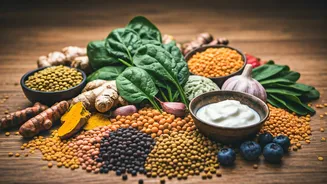
Garlic (Lahsun) is a potent culinary ingredient that contains compounds like Allicin and Ajoene, which have been scientifically validated for their ability to inhibit the growth of the TB-causing bacteria. Beyond its antimicrobial effects, garlic serves as a natural expectorant, aiding in the clearance of excess mucus from the lungs. This function is critical for improving respiratory function during the recovery phase of tuberculosis. Regular consumption can contribute to a stronger and healthier respiratory system, facilitating easier breathing.
Custard Apple: Energy Boost
Custard apple, or Sitaphal, is a fruit distinguished by its high caloric density, making it an exceptional choice for individuals experiencing weight loss due to illness. This sweet and creamy fruit is also a good source of Vitamin C and potassium, which play a role in managing symptoms like fever and weakness that are commonly associated with tuberculosis. Its naturally cooling properties can also provide a soothing effect on the body, contributing to overall comfort during recovery.
Ashwagandha: Vitality Restorer
Ashwagandha, often referred to as Indian Ginseng, is a highly valued adaptogenic herb that plays a crucial role in restoring lost vitality. Tuberculosis often leads to profound physical and mental exhaustion, and Ashwagandha can be a powerful aid in this regard. It works to significantly reduce stress levels, a common byproduct of chronic illness, and promotes the recovery of muscle mass that may have diminished. By enhancing the body's resilience, it supports and strengthens the natural defense mechanisms crucial for healing.
Black Pepper: Congestion Relief
Black pepper, or Kali Mirch, contains piperine, a compound that proves highly beneficial for individuals recovering from tuberculosis. Piperine assists in clearing chest congestion, a common and uncomfortable symptom of the infection. Furthermore, it enhances the body's ability to absorb other beneficial nutrients from food, maximizing their healing potential. It is particularly effective in reducing the production of mucus and mitigating the persistent cough, which can significantly improve breathing comfort and overall well-being.
Finger Millet: Sustained Energy
Finger Millet, or Ragi, is an outstanding source of dietary fiber and calcium, providing a steady and sustained release of energy, which is essential for individuals battling chronic illnesses like tuberculosis. Given that adequate protein and calorie intake is paramount for the repair of lung tissues, ragi-based foods, such as porridges or rotis, offer an easily digestible and nutrient-dense option. It serves as a foundational staple in the diet, supporting the body's healing processes with essential nutrients and long-lasting energy.