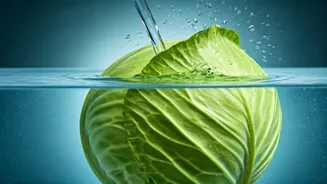









Prep Your Cabbage
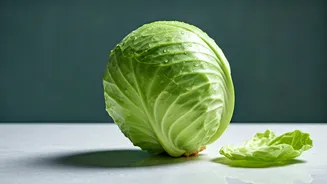
Before diving into washing, it’s crucial to prepare your cabbage for a more effective cleaning process. Begin by carefully removing and discarding the
outermost two to three leaves. These external layers are the most vulnerable, often accumulating dirt, pesticides, and any uninvited insect guests from the soil. Next, take a sharp knife and cut the cabbage into manageable halves or quarters. This action is not just about size; it's about creating more accessible pathways into the cabbage's tightly packed interior. By opening up the layers, you significantly improve your ability to spot and dislodge any hidden pests or debris that might be lurking deep within the vegetable's core, setting the stage for a thorough cleanse.
The Saltwater Soak
Once your cabbage is prepped and cut, it's time to introduce a time-tested cleaning agent: saltwater. In a bowl, prepare a solution of warm water mixed with a generous amount of salt. Submerge the chopped cabbage pieces into this briny bath and let them soak for a good 10 to 15 minutes. The salt plays a vital role here; its properties help to loosen the grip of any worms and encourage them to detach from the leaves. Furthermore, it often nudges hidden insects out from between the layers, making them visible and easier to rinse away. This simple immersion is a powerful first step in ensuring your cabbage is free from unwelcome critters.
Vinegar's Cleaning Power
For an extra layer of cleanliness and to tackle any lingering microbes, consider incorporating a vinegar solution. After the saltwater soak, prepare a fresh bowl of clean water and add about 1 to 2 tablespoons of white vinegar. Place your cabbage pieces into this diluted vinegar bath and let them soak for approximately 5 to 7 minutes. Vinegar is an excellent natural disinfectant; it effectively helps to kill bacteria and other microorganisms that may be present on the leaves. Crucially, this acidic environment also further encourages any remaining worms to detach themselves from the cabbage, ensuring a more thorough purification process before the final rinse.
Rinse and Inspect
The final stages involve a thorough rinse and a meticulous inspection to guarantee your cabbage is spotless. Take the cabbage pieces and rinse them multiple times under a steady stream of cool, running water. This vigorous rinsing is essential to wash away any residual salt, vinegar, loosened dirt, and most importantly, any worms or insects that have been dislodged by the previous soaking methods. After rinsing, it's imperative to gently separate each leaf and conduct a final visual inspection. Look closely for any missed spots or remaining pests. This careful examination ensures that your cabbage is completely clean, hygienic, and ready for safe consumption.