



Sunlight and Site Selection
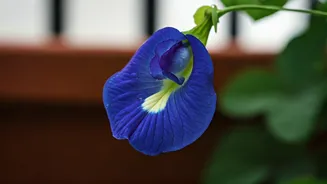
For a flourishing Aparajita plant, selecting a location bathed in ample sunlight is paramount. This climbing vine thrives on at least six hours of direct
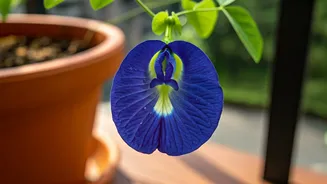
sun daily, which is crucial for robust flowering. On a balcony, position the pot where it can capture the most intense rays, whether from the morning or afternoon sun, avoiding areas of deep shade that can hinder its growth and bloom production. Adequate light is the foundation for its vibrant blue blossoms and overall vitality.
Pot and Soil Essentials
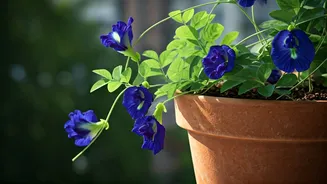
Choosing the right container is vital for Aparajita's success. Opt for a pot that is approximately 8 to 12 inches deep and 12 to 14 inches wide to provide sufficient root space. Crucially, ensure the pot has adequate drainage holes; stagnant water can lead to root rot and significantly reduce flowering. The ideal soil mix is one that is light, airy, and well-draining. Combining a good quality potting mix with compost creates a fertile environment that allows the soil to retain adequate moisture without becoming waterlogged, supporting healthy root development and vigorous growth.
Seed Preparation and Sowing
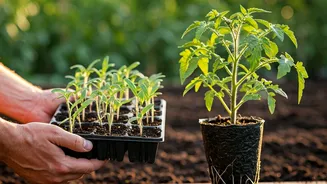
Starting your Aparajita from seeds is a rewarding process. To enhance germination rates, it’s beneficial to pre-soak the seeds in water for several hours or overnight. This softens the hard seed coat, making it easier for the sprout to emerge. For even quicker results, you can gently nick the seed coat before soaking. When sowing, plant the seeds about one inch deep in the prepared potting mix, ensuring they are spaced apart to give the young vines room to grow. Keep the soil consistently moist but not saturated until germination, and note that warmer conditions generally yield better sprouting results.
Watering and Support Needs
Aparajita requires consistent moisture, particularly during its early growth stages, but it's vital to avoid overwatering, which can lead to root issues and fewer blooms. Aim to water when the top inch of soil begins to feel dry, focusing the water directly onto the soil rather than the foliage to minimize the risk of fungal diseases. As a natural climber, this vine needs a support structure to ascend. A small trellis, a sturdy stake, a balcony railing, or a wire frame can provide the necessary aid. Without support, the plant will sprawl, appearing unkempt, whereas with a climbing structure, it will grow more upright and aesthetically pleasing.
Pruning and Pest Control
Regular pruning is key to maintaining a compact and bushy Aparajita plant, preventing it from becoming leggy and weak. Removing spent flowers, a practice known as deadheading, encourages the plant to produce more blooms by redirecting its energy away from seed production. Lightly trimming the growing tips can stimulate the development of new side shoots, leading to a fuller plant. For minor pest issues like aphids, a strong jet of water is often an effective first defense. Severely affected leaves can be removed. For balcony gardening, these simple, non-chemical methods are typically sufficient to keep the plant healthy and productive.