


Classic Daisies Delight
The common daisy, or Bellis perennis, is a timeless favorite, known for its cheerful, simple white petals surrounding a yellow center. It's a quintessential
garden flower, often found carpeting meadows and lawns, and it's remarkably resilient. Another beloved variety is the Shasta daisy (Leucanthemum x superbum), which boasts larger, more prominent white blooms with a bright yellow disc. It offers a more striking visual impact and is a staple in cottage gardens and borders due to its robust nature and long blooming period. These classic types are excellent for beginners and experienced gardeners alike, providing consistent beauty with minimal fuss. Their understated elegance makes them versatile, fitting seamlessly into various garden designs, from formal arrangements to wilder, naturalistic settings. The sheer abundance of their blooms creates a sense of joy and abundance, truly embodying the spirit of a blooming garden.
Bold Gerbera Blooms
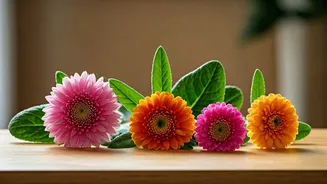
Gerbera daisies are celebrated for their vivid, almost tropical colors and large, striking flower heads. Available in a spectacular spectrum of hues, including fiery reds, sunny yellows, vibrant oranges, delicate pinks, and even deep purples, these daisies add an undeniable splash of color. Unlike their more demure cousins, Gerbera daisies present a bolder, more flamboyant presence. They are often grown as annuals in cooler climates but can be perennial in warmer regions. Their large, daisy-like flowers, which can measure up to five inches across, are excellent for cutting and bringing indoors to brighten any space. Their long, sturdy stems make them ideal for floral arrangements, offering a sophisticated yet playful touch. The diversity in color means you can create stunning monochromatic displays or a riotous explosion of contrasting shades, making them a focal point in any garden bed or container.
Exotic Aster Varieties
Asters, often referred to as starworts, bring a late-season burst of color to the garden, with many varieties blooming well into autumn. Their name, derived from the Greek word for 'star,' perfectly describes their delicate, star-shaped blossoms. While many asters have a classic daisy-like appearance with ray florets surrounding a central disc, their color palettes often lean towards purples, blues, pinks, and whites, offering a different chromatic feel than summer daisies. Varieties range from low-growing groundcovers to taller, more substantial plants, making them adaptable to various garden situations. They are particularly valuable for extending the floral display when many other plants are starting to fade, providing a crucial food source for pollinators as they prepare for winter. Their graceful blooms and reliable performance make them a welcome addition to any garden seeking sustained beauty and ecological benefit.
Unique Marguerite Daisies
Marguerite daisies, scientifically known as Argyranthemum frutescens, offer a more delicate and airy charm. These plants produce masses of smaller, often finely-textured flowers that can be single or double-petaled. While typically white or yellow, some cultivars display soft pinks and corals, adding a subtle, romantic touch to the garden. They tend to have a more sprawling or bushy habit, making them excellent for filling out borders or containers. The fine foliage itself can be attractive, often deeply divided, adding a lacy quality. Marguerite daisies thrive in full sun and well-drained soil, and regular deadheading will encourage continuous blooming throughout the warmer months. Their less common, refined appearance distinguishes them from bolder daisies, offering a softer, more intricate floral display that can complement a wide range of garden aesthetics.
California Poppies
While not strictly a 'daisy' in the traditional sense, the California poppy (Eschscholzia californica) shares the iconic flower shape and is often grouped with daisy-like flowers for its widespread appeal and ornamental value. These resilient wildflowers are known for their vibrant, cup-shaped blooms in shades of brilliant orange, yellow, and sometimes pink or crimson. They thrive in hot, dry conditions and poor soil, making them an ideal choice for xeriscaping or naturalizing in sunny, open areas. Their delicate, feathery foliage adds a soft texture to the landscape. California poppies are self-seeding, meaning they can reliably return year after year, creating cheerful carpets of color. Their ability to flourish with minimal care and their stunning visual impact make them a popular and rewarding choice for gardeners looking for low-maintenance beauty and a touch of the wild.
The Everlasting Charm
Helichrysum, commonly known as everlasting or strawflowers, presents a unique daisy-like flower with a papery texture that holds its color and form even when dried. This characteristic makes them exceptionally popular for floral arrangements, potpourri, and crafts. Available in a wide array of vibrant colors, including shades of red, orange, yellow, pink, white, and bronze, these flowers offer a striking visual appeal in the garden. They prefer full sun and well-drained soil, and their upright growth habit makes them suitable for both borders and cutting gardens. The distinct texture of their petals, which feel almost like straw, sets them apart from softer-petaled flowers, providing a different sensory experience. Their longevity both on the plant and after cutting ensures a lasting presence of color and beauty.
African Daisies Galore
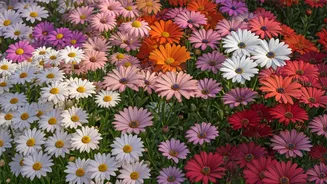
The term 'African daisy' often encompasses a broad group of plants, most notably the Osteospermum and Dimorphotheca species. Osteospermums, or Cape daisies, are particularly prized for their wide range of colors, from soft pastels to intense jewel tones, and their unique petal shapes, some resembling spoons or daisy-like rays. They bloom prolifically, especially in cooler weather and during spring and fall, often closing their petals at night or on cloudy days. Dimorphothecas, or African marigolds, are known for their bright, sunny yellow and orange flowers that truly radiate warmth. Both types are excellent for containers, borders, and mass plantings, offering continuous blooms and attracting pollinators with their nectar-rich centers. Their adaptability and the sheer variety of colors and forms make them a versatile and attractive choice for adding cheerful vibrancy to any garden setting.
Coreopsis Blooms Bright
Coreopsis, often nicknamed tickseed, features a multitude of daisy-like flowers that typically come in cheerful shades of yellow and gold, though some varieties offer pinks, reds, and bi-colors. These hardy perennials are known for their prolific blooming, often providing a continuous display of color from early summer until fall, especially with regular deadheading. Their finely cut or lance-shaped foliage adds a delicate texture to the garden. Coreopsis varieties range from low-growing spreaders to taller, more upright plants, making them adaptable for various garden roles, including borders, rock gardens, and meadow plantings. They are remarkably drought-tolerant once established and prefer full sun, making them a low-maintenance choice for sunny spots. Their bright, sunny disposition and long blooming period make them a staple for gardeners seeking enduring color and attracting beneficial insects.
Echinacea's Power
Echinacea, commonly known as coneflower, presents a robust, daisy-like flower with prominent, raised central cones surrounded by drooping petals. While traditionally known for its purple hues, modern breeding has introduced a stunning array of colors, including shades of pink, white, yellow, orange, and red. These plants are not only visually appealing but also highly valued for their ecological benefits, attracting bees and butterflies and providing seeds for birds in winter. Coneflowers are exceptionally hardy, drought-tolerant once established, and prefer full sun. Their sturdy stems make them excellent for cutting, and their unique structure adds architectural interest to the garden. They are a fantastic choice for naturalistic plantings, wildflower gardens, and borders, offering both beauty and a vital habitat for pollinators throughout the growing season.
Shasta Daisy Family
The Shasta daisy (Leucanthemum x superbum) is a beloved garden perennial, celebrated for its classic, large white petals and bright yellow centers. It offers a quintessential daisy appearance, evoking images of sunny meadows and simple beauty. These robust plants are known for their long blooming season, typically from early summer into fall, especially when spent flowers are regularly removed. They thrive in full sun and well-drained soil, making them a relatively low-maintenance addition to any garden. Varieties exist that differ in height and flower size, from compact forms suitable for the front of borders to taller specimens that make a strong statement. Their reliable performance, striking white blooms, and appeal to pollinators make them a versatile and enduring favorite for a wide range of garden styles, from traditional cottage gardens to more contemporary designs.