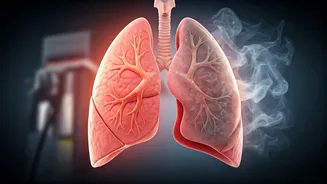








Inhaling the Fumes
Gasoline is a complex mixture containing volatile organic compounds (VOCs), some of which can be inhaled when pumping fuel. These substances, such as benzene,
toluene, and xylene, are known irritants and can affect the respiratory system. Short-term exposure might lead to symptoms like headaches, dizziness, or nausea. For individuals engaged in fitness routines, especially outdoor activities near busy roads or gas stations, these vapors could potentially impact lung function and exercise tolerance. Chronic exposure to certain VOCs has also been linked to more significant health concerns, making awareness and preventative measures crucial for overall health and fitness maintenance.
Systemic Effects Unveiled
The impact of gasoline vapors extends beyond just the lungs. Once inhaled, these volatile compounds can be absorbed into the bloodstream and potentially affect various organs. Benzene, for instance, is a known carcinogen and can have detrimental effects on the bone marrow, disrupting the production of blood cells. While the direct link between occasional gas station visits and severe systemic illness is generally low for most individuals, consistent or prolonged exposure can contribute to a cumulative burden on the body. This can manifest as fatigue, increased susceptibility to infections, or even contribute to long-term chronic conditions, indirectly affecting an individual's energy levels and capacity for physical activity.
Mindful Practices for Fitness
Navigating the world while prioritizing health and fitness means being aware of environmental factors, including those at gas stations. For active individuals, simple strategies can mitigate the risks associated with vapor exposure. Choosing to fuel up during off-peak hours when traffic is lighter can reduce the concentration of airborne fumes. Additionally, ensuring your car's ventilation system is functioning correctly and avoiding prolonged idling near the pump can minimize inhalation. When possible, opting for gas stations located in less congested areas or those with newer, more efficient refueling technology can also make a difference. These conscious choices, though small, contribute to a healthier lifestyle and support fitness goals by reducing unnecessary exposure to potentially harmful compounds.