






Nature's Grand Cascade
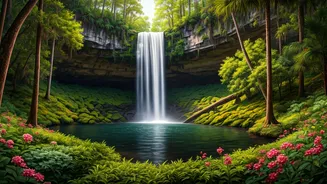
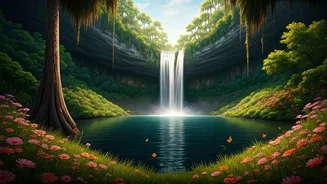
Falling Waters State Park stands out as a remarkable natural sanctuary, most famously for housing Florida's tallest waterfall. This impressive cascade
plunges an astounding 73 feet into a deep, cylindrical pit that extends 100 feet down. The dramatic spectacle of the water disappearing into the earth is a sight that never fails to captivate visitors. The park's landscape is characterized by towering pine trees and lush ferns that drape over numerous sinkholes, particularly along the Sinkhole Trail. These geological formations are protected by the state park designation, highlighting their significance. The mysterious destination of the waterfall's descent serves as a poignant reminder of the hidden and awe-inspiring natural processes at play within Florida's terrain. It's a place where the raw beauty of nature is on full display, inviting exploration and wonder.
A Flourishing Butterfly Garden
Beyond the dramatic waterfall, Falling Waters State Park boasts a meticulously maintained butterfly garden, a testament to the dedication of individuals like Glenda Wilson. This vibrant sanctuary is cultivated with native plants such as black-eyed Susans, purple coneflowers, and Queen Anne's lace. These species are crucial for supporting a thriving butterfly population, requiring consistent care including planting and watering. The garden, named the Joyce Carter Butterfly Garden, actively educates visitors about butterfly species, their life cycles, and the importance of native flora. Over 32 species of butterflies have been observed here, including the year-round resident zebra swallowtail, alongside seasonal visitors like cloudless sulfurs and black swallowtails in the fall. The garden is a dynamic ecosystem, buzzing with activity, particularly after 10 a.m. when the dew has evaporated from the butterflies' wings.
Outdoor Recreation Awaits
Falling Waters State Park offers a serene escape with a variety of recreational activities suitable for families and nature enthusiasts. Visitors can enjoy lakeside picnics, swimming, and fishing on the park's two-acre freshwater lake. The lake area features a white-sand beach, a designated swimming spot with a sand bottom, and convenient amenities like showers and shaded benches, perfect for a refreshing dip on a warm day. For hikers, three distinct nature trails provide gentle immersion into North Florida's rich greenery. These trails meander past the sinkholes, through hardwood forests, and over varied terrain, including boardwalks and dirt paths. Interpretive signs and self-guided kiosks offer insights into the park's unique karst topography, native flora, and local wildlife. Additionally, the park hosts interpretive programs in its amphitheater, offering educational experiences about the park’s natural and historical features.
Planning Your Park Visit
To make the most of your trip to Falling Waters State Park, understanding the operational details is key. The park is accessible year-round from 8 a.m. until sundown, making it a flexible destination for day trips or overnight stays. For those arriving after sunset, arrangements can be made by calling ahead to receive gate access instructions. Essential items to bring include water and comfortable walking shoes, especially for exploring the trails. If your primary interest is observing butterflies, planning your visit for after 10 a.m. is recommended to catch them in flight. Admission fees are structured per vehicle, with specific rates for single occupants and pedestrians/cyclists. Camping facilities are available, featuring 24 sites equipped with essential amenities like picnic tables, water, and electricity, as well as a bathhouse and dump station for added convenience. Reservations for camping can be made well in advance.
Wildlife and Unique Geology
Falling Waters State Park is a vibrant ecosystem, supporting a diverse array of wildlife and showcasing unique geological formations. Birdwatchers can spot over 100 species, from upland dwellers like red-headed woodpeckers to ground-nesting ovenbirds. The park is also home to mammals such as deer and foxes, as well as reptiles like lizards and turtles. The park's karst landscape, a defining feature of the Florida Panhandle, plays a vital role in replenishing the Floridian aquifer and fosters a variety of life, including rare carnivorous pitcher plants and terrestrial orchids found in its seepage slopes. Beneath the surface, a terrestrial cave system provides a habitat for bats and cave crickets, hinting at subterranean ecosystems. The dramatic sinkholes and the 73-foot waterfall are products of this geological activity, with limestone formations dating back millions of years, sculpted by the dissolution of the underlying rock.