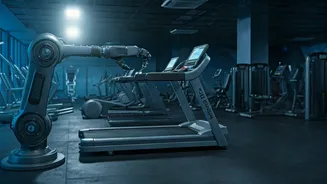







The AI Fitness Boom
AI is increasingly woven into the fabric of modern life, and fitness is no exception. AI-powered fitness platforms utilize algorithms and data analysis
to design personalized workout routines. These programs assess individual fitness levels, goals, and preferences, tailoring exercises to meet specific needs. The initial assessment typically involves questionnaires or fitness tests to gather data about current physical condition. Subsequently, the AI formulates a workout plan, often accompanied by video demonstrations and progress tracking features. The algorithms learn and adapt over time, modifying the workouts based on the user's performance and feedback. The appeal of these systems is the promise of personalized, convenient, and data-driven fitness, accessible anytime, anywhere. However, as with any technology, the true effectiveness and potential limitations of AI-driven workouts need a closer look.
How AI Works
At the heart of AI-designed workouts lie sophisticated algorithms. These algorithms analyze vast datasets, including exercise science principles, fitness data, and user input. Machine learning, a core component of AI, enables the system to improve its recommendations over time. The process typically begins with gathering user data, like fitness goals (e.g., weight loss, muscle gain), current activity level, and any physical limitations or injuries. Based on this information, the AI creates a customized workout plan. This plan might include exercise selection, sets, reps, and rest periods, and sometimes incorporates nutritional advice. Sensors and wearables, like smartwatches and fitness trackers, provide real-time data on performance, allowing the AI to adjust the workout intensity or volume. The AI continuously refines the workout plan based on the user's progress, feedback, and changes in fitness goals. Data from other users also contribute to the ongoing optimization of the algorithms, improving the overall accuracy and effectiveness of the workouts.
Effectiveness and Limitations
The effectiveness of AI-designed workouts varies based on factors like the sophistication of the AI, the quality of the data used, and the user's adherence to the plan. AI can be highly effective in designing general fitness plans. However, a significant limitation is the inability to offer the personalized, real-time coaching provided by a human trainer. AI may struggle to detect subtle form errors during exercise, which could lead to injuries. Another concern is the reliance on data; the AI's recommendations are only as good as the data it receives. If a user provides inaccurate information or the AI is trained on biased datasets, the resulting workout plan might be ineffective or even harmful. Moreover, AI-driven workouts may lack the motivational and emotional support that many people find essential to stick to a fitness program. The user experience can also influence the outcome; if the interface is not intuitive or engaging, users are less likely to stay committed to the program. Ultimately, while AI offers considerable potential in fitness, it should be regarded as a tool to enhance, rather than replace, human guidance and expertise.
Things to Consider
Before diving into AI-designed workouts, a realistic assessment of your goals and needs is vital. Consider your fitness level, experience with exercise, and any specific health conditions. Ensure the AI platform offers a comprehensive initial assessment that captures your baseline fitness level and goals accurately. Always check the credentials and expertise of the developers and trainers associated with the program. Look for platforms that integrate wearable technology and provide real-time feedback on your form and progress. Also, determine if the AI provides modifications for different fitness levels, and if the exercises are suitable for your skill level. Prioritize platforms that provide support and guidance if you encounter problems or have questions. If you have any pre-existing health conditions or concerns, consult with a healthcare professional or certified personal trainer before adopting an AI-driven workout plan. Finally, assess the program's long-term sustainability and your ability to stay motivated. A balanced approach combining AI assistance with human guidance can yield the most effective and safe results.