



Nutrient Preservation
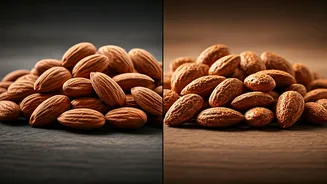
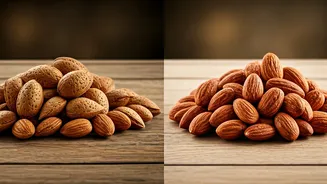
When comparing raw and roasted nuts, a key consideration is how the preparation method affects nutrient levels. Raw nuts, untouched by heat, tend to retain
more of their delicate, heat-sensitive nutrients, such as vitamin E and various antioxidants. Studies suggest that the roasting process, involving elevated temperatures, can lead to a slight reduction in these beneficial compounds and an increase in the oxidation of polyunsaturated fats. While these changes might not drastically diminish the overall health value, raw nuts could offer a marginal advantage for individuals specifically aiming to maximize their intake of antioxidants through their snacks. Therefore, if your primary goal is to absorb the highest possible amount of these sensitive nutrients, opting for raw varieties might be the slightly more beneficial choice.
Digestibility & Flavor
The allure of roasted nuts often lies in their enhanced sensory appeal – a richer flavor, a more enticing aroma, and a satisfying crunch that many find makes them a more enjoyable daily snack. Beyond taste, the roasting process can also contribute to improved digestibility for some individuals. Research indicates that heat treatment can reduce the levels of antinutrients, like phytic acid, which are naturally present in nuts. By lowering these compounds, roasting may facilitate better absorption of essential minerals and make the nuts gentler on the digestive system. This enhanced palatability and easier digestion can encourage more regular consumption of nuts, which is ultimately beneficial for consistent nutritional intake.
Fat Content Nuances
The fat content in nuts is a crucial aspect of their nutritional profile, and the difference between raw and roasted forms is worth noting. Dry-roasted nuts generally maintain a fat content very similar to their raw counterparts, preserving their natural oils. However, the landscape changes when considering commercially prepared roasted nuts. These often have added oils and salt during the roasting process. While raw and dry-roasted nuts typically exhibit nearly identical macronutrient compositions, the inclusion of extra oils in packaged roasted versions can significantly increase their calorie density. This makes them a less ideal choice for everyday snacking if calorie management is a priority.
Safety and Storage
From a safety perspective, raw nuts carry a slightly elevated risk of bacterial contamination because they haven't undergone any heat treatment to neutralize potential pathogens. The roasting process, by contrast, involves drying and heating, which effectively reduces moisture content and eliminates harmful bacteria, such as Salmonella. This makes roasted nuts a safer option, particularly for long-term storage or when consumed in environments where maintaining optimal storage conditions is challenging. The reduced moisture content also contributes to a longer shelf life, giving roasted nuts a minor advantage in terms of food safety and pantry longevity, especially in warmer or more humid climates.
Making Your Choice
Deciding between raw and roasted nuts hinges on your personal health objectives and taste preferences. If your primary aim is to maximize nutrient absorption and avoid any added sodium or fats, raw nuts are likely the superior option, aligning with a preference for purely natural foods. Conversely, if you find yourself drawn to a more intense flavor, a satisfying crispness, or experience digestive discomfort with raw nuts, roasted varieties might be a better fit. The most prudent approach for roasted nuts is to select those that are dry-roasted and free from added sugars, oils, or excessive salt. Ultimately, both raw and roasted nuts can contribute positively to a balanced diet when consumed mindfully and in appropriate portions.