


Understanding COPD Basics
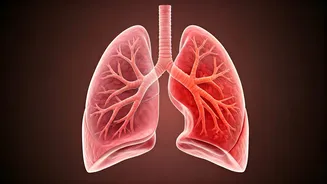
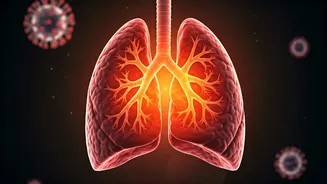
Chronic Obstructive Pulmonary Disease (COPD) is a group of progressive lung conditions that can significantly impact breathing. Understanding how COPD evolves
over time is crucial for effective management. Symptoms often start subtly but can worsen gradually, affecting daily life. Different stages of COPD, categorized by severity, present varying challenges. It's important to distinguish fact from fiction; common misconceptions about COPD can hinder proper care. Educating yourself on the fundamental aspects of COPD empowers you to take proactive steps toward managing its symptoms and improving your prognosis. Recognizing the progressive nature of the disease and understanding the facts are the first steps in taking control of your health.
Medication and Treatments
Managing COPD effectively often involves a combination of medical interventions. Current and emerging treatments aim to slow disease progression and alleviate burdensome symptoms, thereby enhancing the quality of life for individuals. The specific treatment plan is highly individualized, taking into account the severity of the condition and the patient's overall health status. A range of medications, including bronchodilators and anti-inflammatories, are available to help manage symptoms like breathlessness and coughing. For some individuals with severe COPD, a lung transplant might be considered as an option, though it involves significant benefits and risks that require careful evaluation. Understanding your treatment options thoroughly is key to working with your healthcare provider to develop a robust care strategy.
Symptom Management Techniques
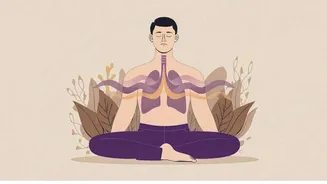
Living with COPD presents unique challenges, particularly concerning breathing difficulties. Practicing specific breathing exercises can be instrumental in improving lung capacity and easing discomfort. Techniques such as pursed-lip breathing can help control shortness of breath and reduce the effort required to exhale. Managing COPD flare-ups, which can involve sudden increases in breathlessness, coughing, and wheezing, requires a clear plan. Knowing the four steps for handling these acute episodes can prevent them from escalating into serious emergencies. Furthermore, as infections can pose significant risks to individuals with COPD, staying up-to-date with recommended vaccinations is a vital preventive measure to safeguard lung health and avoid potential complications.
Lifestyle and Nutrition
Adopting a healthy lifestyle is paramount for individuals managing COPD. While traveling may seem daunting with this condition, proper planning and preparation can make it a more accessible experience. Given that COPD is characterized by inflammation in the lungs, an anti-inflammatory diet can play a beneficial role in managing symptoms and potentially slowing disease progression. Focusing on a nutritious diet that supports lung health is essential. Incorporating adaptive exercises designed for people with COPD can also be highly beneficial. These exercises are tailored to accommodate symptoms like breathlessness, helping to maintain physical fitness and improve overall well-being without exacerbating respiratory distress.
Quitting Smoking's Impact
For individuals with COPD, smoking cessation is the single most effective intervention to slow down the advancement of the disease and preserve remaining lung function. It's the only treatment that directly addresses a primary cause and risk factor. Despite quitting, COPD is a progressive condition, but becoming smoke-free significantly mitigates its future trajectory. Understanding that COPD doesn't necessarily worsen rapidly after quitting smoking provides a critical incentive. While abrupt cessation, known as quitting cold turkey, can be challenging, its benefits are substantial. Resources and strategies exist to support this endeavor, making it a achievable goal. Similarly, quitting tobacco use in other forms, such as dipping or chewing, requires dedicated approaches, with certain methods proven to enhance the likelihood of success in achieving a smoke-free life.