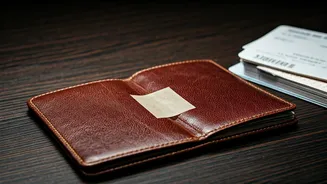







The Sticky Note Rationale
Frequent globetrotters often find their passports accumulating a chaotic array of entry and exit stamps, quickly depleting precious blank pages. This scarcity
can become a significant issue, as some nations mandate that visas or official stamps be affixed to entirely clear pages, sometimes even requiring two consecutive blank ones. In an effort to circumvent this problem and extend the life of their passports, a clever workaround has emerged: strategically placed sticky notes. The intention behind this tactic is to subtly guide immigration officials, signaling preferred stamping locations and preventing the accidental occupation of pages designated for future visas or crucial entry requirements. While the method has gained traction among seasoned travelers, its efficacy and potential drawbacks warrant a closer examination, especially considering the varying practices of border control officers worldwide and the increasing trend toward digital border management.
Why Page Space Matters
The seemingly simple act of filling a passport with stamps can have far-reaching consequences for international travelers, more so than many realize. While a passport boasts numerous pages, not all are suitable for official markings; some are reserved for specific visa placements, and certain countries have stringent requirements for these blank pages. For instance, the need for consecutive blank pages is a common stipulation, making the thoughtful management of space paramount. Failing to allocate sufficient room can lead to inconvenient situations, such as being compelled to obtain an entirely new passport, which can be a time-consuming and arduous process, particularly when existing valid visas are still affixed to the old document. This is precisely why the sticky note strategy gained popularity – it was perceived as a proactive measure to avoid such complications and ensure smooth passage through immigration checkpoints, thereby preserving the usability of a passport for an extended period.
Limitations of the Hack
Despite its widespread adoption among some travel circles, the sticky note method is far from a guaranteed solution for preserving passport pages. Ultimately, the authority to place stamps rests with immigration officers, and in the hustle and bustle of busy international airports, these visual cues might be entirely overlooked. Therefore, travel experts generally advise viewing sticky notes as a polite suggestion rather than a definitive instruction. The reality is that immigration procedures can be swift, and officers are often focused on efficiency, which may lead them to stamp the nearest available page without much consideration for a small note. For individuals who travel infrequently, passport page availability typically isn't a pressing concern. However, for those who traverse multiple borders annually, pages can disappear at an alarming rate, potentially jeopardizing future travel plans if blank pages are exhausted.
Smarter Passport Management
For travelers concerned about the finite nature of passport pages, several more reliable and proactive strategies exist beyond the use of sticky notes. Travel experts widely recommend focusing on long-term solutions to ensure ample space for visas and entry stamps throughout your passport's lifespan. One highly effective approach is to check the specific visa and entry requirements for each destination well in advance of your trip. This diligence can prevent potential delays or even outright denials at border control, ensuring you meet all necessary criteria. Furthermore, renewing your passport proactively, especially if it's already showing signs of being filled, can head off future complications. Many countries require a significant period of remaining validity on your passport, typically six months, in addition to having blank pages for stamps. Therefore, staying ahead of expiration dates and page limits is crucial for uninterrupted international travel.
Maximizing Passport Space
To significantly increase the available real estate in your passport for stamps and visas, consider opting for a larger passport book when applying for or renewing your U.S. passport. The 52-page version offers considerably more blank pages—42, in fact—compared to the standard 28-page booklet. This expanded capacity is a popular choice for avid international travelers who frequently visit multiple countries and want to avoid the hassle of running out of space prematurely. Another essential tip for frequent flyers is to always carry your old passport alongside your new one if the expired document still contains valid visas. Many immigration authorities permit the continued use of these older visas, provided both passports are presented together at the border. This practice can save considerable time and expense, as it negates the need to reapply for new visas that are still technically active.
Adherence to Rules
It is imperative to remember that a passport is a legal document, and any form of alteration can lead to serious repercussions. Travelers should strictly refrain from writing notes directly within the passport's pages or attaching any permanent items, including souvenir stamps collected from tourist attractions. Even unintentional modifications to the passport's integrity can cause significant problems during immigration checks, potentially leading to delays, questioning, or even the invalidation of the document itself. Maintaining the passport in its original, unaltered state is crucial for ensuring smooth passage through international borders and for preserving its validity as a trusted travel credential. Always prioritize adhering to official guidelines to avoid any unintended complications with border control.