


Family Photo Placement
When adorning your walls with treasured family photographs, Vastu Shastra offers specific guidance to foster strong bonds and happiness. It's recommended
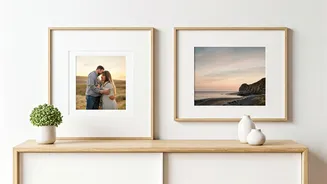
to place these pictures in the South or West directions of your home. These cardinal directions are associated with stability, longevity, and grounding energies, which are ideal for reflecting the essence of family relationships. Avoid placing family photos in the North or East, as these directions are often linked to new beginnings and divine energies, which might inadvertently dilute the focus on established familial ties. Ensure the photos are well-lit and positioned at eye level to encourage a sense of connection and warmth. Furthermore, choose frames that are in good condition and avoid any images that depict arguments or sadness, as these negative emotions can be amplified within the living space according to Vastu principles. The aim is to create an environment that celebrates unity and joyful memories, making these directions the most conducive for your beloved family portraits.
God Picture Directions
The placement of deities' images in your home is a sacred aspect of Vastu, intended to invite divine blessings and spiritual peace. For pictures of Gods and Goddesses, the North-East direction is considered the most auspicious. This direction, also known as 'Ishaan Kona', is highly revered in Vastu and is believed to be the abode of divine energies and cosmic forces. Placing religious images here can enhance spiritual growth, clarity, and positive vibrations throughout the household. Alternatively, the East direction is also acceptable, as it signifies the rising sun and new beginnings, bringing a sense of purity and enlightenment. It is crucial to avoid placing God pictures in the South direction, as this is associated with ancestors and the realm of the departed, and also in the South-West, which is governed by the earth element and can feel too grounding for divine energies. Always ensure these images are placed at a higher level than your own, in a clean and uncluttered space, facing the deity with reverence.
Avoiding Negative Vibes
To ensure a harmonious living environment, Vastu Shastra strongly advises against certain placements and types of photos. Pictures depicting violence, arguments, sadness, or any form of negativity should be strictly avoided. These can inadvertently attract similar energies into your home, leading to discord and unhappiness. Similarly, images of lonely or isolated figures, or places associated with sorrow, can create a sense of isolation and melancholy. For instance, placing a picture of a solitary tree or a barren landscape might evoke feelings of loneliness. It is also advisable to avoid placing photos of deceased family members in the living room or bedroom unless they are placed with the intention of remembrance and peace, ideally in the South or West, and not in a manner that dominates the space or evokes constant grief. The general principle is to curate your wall decor to reflect positive emotions, joy, and well-being, thereby reinforcing a peaceful and uplifting atmosphere in your sanctuary.
General Vastu Tips
Beyond specific directions, several general Vastu principles apply to all wall photos to enhance positivity. Ensure that all frames are in good condition, with no broken glass or chipped edges, as damaged frames can symbolize impediments and disharmony. Regularly clean and dust your photos to maintain a sense of freshness and order. Avoid overcrowding your walls with too many pictures, as this can lead to a cluttered and chaotic energy. Instead, select meaningful photographs that bring you joy and peace. It's also beneficial to place photos in well-lit areas; darkness can symbolize stagnation or a lack of clarity. For deities' pictures, ensure they are not placed facing each other or facing the main entrance directly, which can be considered disrespectful. By adhering to these simple yet effective Vastu tips, you can transform your home into a more serene and vibrant space, radiating positive energies for all its inhabitants.