






Visa Application Essentials
Securing the correct visa is the first crucial step for your Indian adventure. India offers various visa types tailored to the purpose of your visit, including
tourist, business, and student visas. It is very important to determine the correct one depending on your travel plans. Applying for an Indian visa generally involves online applications through the official Indian government portal, requiring the submission of necessary documents such as a passport with at least six months of validity remaining, passport-sized photographs, and a completed application form. The application process also usually demands payment of a fee, which can vary depending on the visa type and the applicant's nationality. It is extremely crucial to start the visa application process well in advance of your travel dates, as processing times can vary and it’s always better to be prepared. Delays are very common, and it can affect your trip if not managed properly. Review all application guidelines meticulously and ensure all information provided is accurate to avoid any rejections or delays. For some nationalities, visas on arrival may be available, but this is always subject to change so do not rely on this option. Always check the latest regulations directly with the Indian embassy or consulate in your country.
Packing Smartly for India
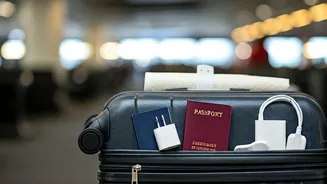
Packing effectively is key to a comfortable trip. The climate across India varies greatly depending on the region and the time of year, so versatile clothing is advisable. Pack lightweight, breathable fabrics such as cotton and linen. Modest clothing is recommended, particularly when visiting religious sites. Pack layers to adapt to temperature changes throughout the day. Essential items should include sunscreen with a high SPF, a hat, and sunglasses to protect against the strong sun. Comfortable walking shoes are a must for exploring cities and historical sites. A basic first-aid kit containing any personal medications, antiseptic wipes, and band-aids is also important. Keep a small bag with valuable items such as your passport, essential documents, and any medications that you need. Electrical adapters may be necessary, as India uses different plug types and voltages. Consider packing insect repellent, especially if you are travelling in areas known for mosquitoes. Do not forget to bring a universal travel adapter for your electronic devices.
Cultural Etiquette Awareness
Respecting local customs and traditions can dramatically improve your travel experience in India. When visiting temples or religious sites, it is important to dress respectfully, covering shoulders and knees. Remove your shoes before entering many religious sites. Greetings in India often involve the 'namaste' gesture, placing your palms together and bowing slightly. Bargaining is very common in markets and bazaars; a polite and respectful approach is usually effective. Be mindful of public displays of affection, as they are generally discouraged. Always ask for permission before taking photographs of people. It is important to avoid pointing with one finger, as this is considered impolite; instead, use your whole hand. Be aware of the significance of the left hand, which is often considered unclean, so use your right hand for eating, giving, and receiving items. Learn a few basic phrases in the local languages – this is often appreciated by locals. Showing genuine interest in Indian culture goes a long way. Patience and flexibility will serve you well, as things often move at a slower pace than what you might be accustomed to.
Transportation and Navigation
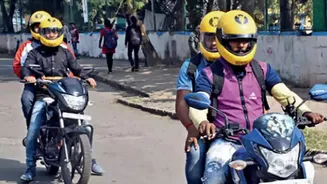
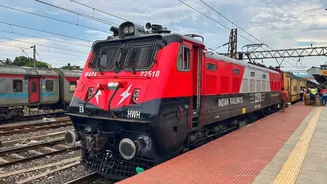
Navigating India requires a bit of planning. The transportation landscape offers many options, from trains and buses to taxis and auto-rickshaws. Train travel is a common and often affordable way to get around; it is advisable to book your tickets in advance. Buses are another option, particularly for reaching smaller towns and cities; ensure that you book with reliable providers. Taxis and auto-rickshaws are readily available in urban areas; ensure that the meter is running or negotiate the fare beforehand. Consider using ride-hailing apps such as Ola or Uber in major cities for convenience and safety. To get around, always use reputable sources to ensure you can travel without getting scammed. Road conditions vary, and traffic can be very heavy, especially in urban areas, so plan your journeys accordingly. Familiarize yourself with local transportation norms, such as the use of horns, and be prepared for a potentially chaotic but ultimately fascinating experience. Staying connected is also very important, therefore buy a local SIM card with a data plan for easy access to maps and communication. Download offline maps of the areas you plan to visit, which can be useful when you don’t have internet access.
Health and Safety Guidelines
Prioritizing your health and safety is crucial while travelling in India. Consult your doctor to find out what vaccinations and health precautions are recommended for the regions you plan to visit, and ensure that you obtain the necessary vaccinations at least six to eight weeks before departure. Carry a basic first-aid kit. It is also very important to be aware of the risk of foodborne illnesses, so it is advisable to be very careful about the hygiene of the food you consume. Drink bottled or purified water only and avoid tap water. Be cautious when eating street food, and choose places that look clean and are busy. Protect yourself from mosquito bites by using insect repellent, especially during dawn and dusk. Stay hydrated, especially in hot weather, by drinking plenty of fluids. Be aware of your surroundings and take precautions to protect your valuables from theft. Travel insurance is essential to cover medical emergencies, lost luggage, and trip cancellations. Familiarize yourself with emergency contact numbers, such as the local police and your embassy or consulate.