







Meal Timing Matters
Your mother likely emphasized the importance of regular meal times, and science is now confirming this. Skipping breakfast and eating dinner late can negatively
impact your bone health. A study published in the Journal of the Endocrine Society revealed that individuals who disregard these mealtime patterns face an elevated risk of bone-related issues. The seemingly harmless habit of missing morning meals and dining close to midnight contributes to silent damage to your skeletal system. Adhering to a consistent eating schedule, as your mother might have taught you, is therefore crucial for maintaining strong bones throughout life.
Nighttime Dental Care
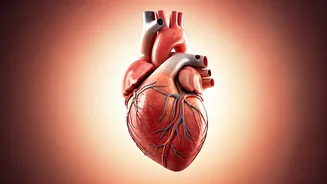
While you might have found your mother's reminders to brush your teeth at night tedious, this practice is vital for more than just a clean mouth; it's crucial for your heart health. Recent research, including a study from Hiroshima University published in Circulation, suggests a strong link between oral hygiene and cardiovascular well-being. Specifically, the presence of Porphyromonas gingivalis, a bacterium often found in cases of poor dental health, has been associated with an increased risk of atrial fibrillation (AFib). AFib is a serious heart rhythm disorder that can lead to strokes and sudden heart attacks. Therefore, diligent brushing and flossing are essential not only for preventing cavities but also for safeguarding your heart against potentially life-threatening conditions that your mother wisely foresaw.
Decision Making Fueled
That feeling of being unable to think straight when hungry? Your mother probably noticed and advised you against making important decisions on an empty stomach. A 2019 study conducted at the University of Dundee and published in Psychonomic Bulletin & Review provides scientific backing for this. The research indicates that hunger significantly impairs judgment, leading to impatience and a tendency to choose immediate, smaller rewards over larger, delayed ones. This suggests that hunger directly influences our decision-making processes, making us more impulsive and less capable of long-term planning. So, the next time you're faced with a choice, remember your mother's advice: eat something first.
Morning Sun Benefits
Your mother's encouragement to embrace the morning sun holds significant health advantages. Exposure to early sunlight helps your body produce Vitamin D3, essential for bone health, a robust immune system, and improved mood. Research from the University of South Australia, published in the European Heart Journal, even found genetic links between Vitamin D deficiency and cardiovascular issues like heart disease and high blood pressure. Beyond Vitamin D, just 20 to 30 minutes of morning light helps regulate your circadian rhythm, leading to better sleep. Sunlight also boosts serotonin levels, a neurotransmitter that enhances energy, promotes positivity, and improves focus, all reasons why your mother always encouraged you to get outside.
Fruits and Vegetables
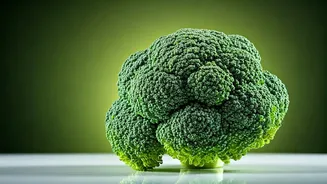
The persistent advice to consume plenty of fruits and vegetables, often met with eye-rolls, is another piece of maternal wisdom now strongly supported by scientific evidence. Prioritizing fruits, vegetables, and dietary fiber in your diet is directly linked to a reduced risk of coronary heart disease and stroke. Dr. Kunal Sood highlights that fiber contributes to lowering LDL cholesterol, improving blood pressure, and reducing inflammation. A 2017 study involving researchers from NTNU and Imperial College London demonstrated that individuals with higher fruit and vegetable intake experienced a significant decrease in the risk of early death and heart disease. This dietary pattern is not just about healthy eating; it's a proactive step towards long-term cardiovascular protection, a fact your mother instinctively understood.