






Understanding Buddha Purnima
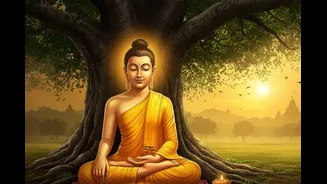
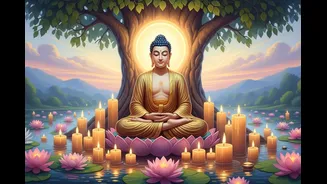
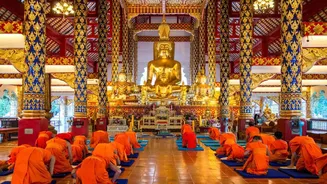
Buddha Purnima, also recognized as Vesak, represents the pinnacle of spiritual significance within the Buddhist tradition. This exceptionally sacred occasion
marks the trinity of pivotal life events for Siddhartha Gautama: his birth, his profound enlightenment, and his eventual passing into nirvana. In 2026, this auspicious day falls on Friday, May 1st. Amidst the relentless pace of modern existence, Buddha Purnima emerges as a crucial interval for introspection and cultivating serenity. Unlike many boisterous Indian festivals that necessitate elaborate preparations such as deep cleaning homes or acquiring new attire, Vesak advocates for a more introspective approach—emphasizing quietude and stillness. It is fundamentally a day dedicated to fostering compassion, practicing mindfulness, and striving towards becoming a more tranquil and benevolent individual. Even with the demands of daily life, such as work or family responsibilities, one can still connect with this tranquil energy. A simple gesture, like sending a thoughtful message or an appropriate image to loved ones, can genuinely uplift their spirits and introduce a moment of calm into their day.
Heartfelt Wishes for Loved Ones
Elevate your Buddha Purnima greetings beyond generic messages by sending these personally crafted wishes to your closest friends and family. These sentiments are designed to convey genuine care and encourage a moment of peace. For instance, you could wish someone a Happy Buddha Purnima, expressing hope that they finally find an opportunity to relax and catch their breath, acknowledging that they truly deserve it. Another approach is to extend warm wishes for a beautifully peaceful Vesak, encouraging a shared effort to temporarily set aside worries and embrace the present moment. You might also send calming and bright energy associated with the full moon, hoping it dissipates recent stresses and wishing them a wonderful long weekend. A simple, yet profound message could be sending a big hug and peaceful vibes for Buddha Jayanti, hoping their day is as wonderful as they are. Alternatively, a reminder to be as kind to oneself as they are to others can be a powerful affirmation on Vesak. For those navigating life's complexities, invoking Lord Buddha's teachings to help them approach challenges with greater grace is a thoughtful option. Encouraging a deep breath and letting go of burdens also forms a core sentiment. Wishing for quiet moments, good health, and genuine laughter can sum up a perfect holiday. For a dear friend, express a hope that the day brings the clarity and peace of mind they have been seeking. Finally, a direct wish for an actually peaceful Buddha Purnima, suggesting they put their phone away to truly enjoy the day, encapsulates the spirit of the occasion.
Concise Messages for Groups
When needing to convey a quick, positive sentiment to colleagues or community WhatsApp groups, these short and sweet messages strike the right balance of professionalism and warmth. A universal greeting could be wishing everyone a peaceful and reflective Buddha Purnima, coupled with hopes for a great long weekend. Another option is to wish a Happy Vesak Day, focusing on the aspiration for increased compassion and patience amongst all. Sending warm wishes on Buddha Jayanti, with a simple plea to stay blessed and happy, is also effective. For a touch of spiritual guidance, wishing that the light of enlightenment guides us all, alongside a Happy Buddha Purnima 2026, resonates well. Celebrating the power of peace today, and wishing everyone a calm and joyful holiday, is another inclusive sentiment. A gentle nudge to pause and reflect today, with a Happy Buddha Purnima wish, encourages mindfulness. For global harmony, a wish for true peace to prevail in our minds and in the world, while wishing everyone a Happy Vesak, is profound. Broader well-wishes for success, health, and especially peace of mind today are also suitable. Wishing everyone a beautiful Buddha Purnima and a well-deserved break is a considerate closing. Finally, emphasizing kindness as a guiding principle today with warm wishes on Vesak provides a positive and actionable message for any group.
Timeless Buddha Quotes
The wisdom of Gautam Buddha offers enduring truths that remain profoundly relevant, making his classic quotes ideal for reflecting on Buddha Purnima. His teachings emphasize that true 'Peace comes from within. Do not seek it without,' highlighting the internal source of tranquility. The power of thought is encapsulated in, 'The mind is everything. What you think you become,' underscoring the profound impact of our mental state. Buddha also shared the beautiful analogy that, 'Thousands of candles can be lighted from a single candle, and the life of the candle will not be shortened. Happiness never decreases by being shared,' illustrating the boundless nature of shared joy. For mindfulness, the advice is clear: 'Do not dwell in the past, do not dream of the future, concentrate the mind on the present moment.' He also stated, 'Three things cannot be long hidden: the sun, the moon, and the truth,' pointing to undeniable realities. His message of hope and renewal is powerful: 'No matter how hard the past, you can always begin again.' Buddha also provided a fundamental principle for harmony: 'Hatred does not cease by hatred, but only by love; this is the eternal rule.' He advocated for self-compassion with the radical statement, 'You yourself, as much as anybody in the entire universe, deserve your love and affection.' Maintaining physical well-being is presented as a duty: 'To keep the body in good health is a duty... otherwise we shall not be able to keep our mind strong and clear.' Finally, he summarized life's essence: 'In the end, only three things matter: how much you loved, how gently you lived, and how gracefully you let go of things not meant for you.' These timeless sayings offer deep insights for personal growth and understanding.
Cultivating Inner Peace
The essence of Buddha Purnima transcends mere celebration; it is an invitation to actively cultivate inner peace through mindful practices. This involves dedicating a small, intentional period—perhaps twenty minutes—solely for oneself. The simple act of preparing a cup of tea and sitting near a window, consciously leaving electronic devices in another room, can create a sanctuary. During this time, one is encouraged to simply observe the surroundings—the nuances of the weather or the ambient sounds of daily life. This grounded awareness, this conscious acknowledgment of being alive and doing one's best, is the very core of Gautam Buddha's lifelong teachings. It's not about grand gestures but about appreciating the present moment and the simple act of existence. This intentional pause allows for a recalibration of the mind, fostering a sense of calm that can permeate the rest of the day and, ideally, ripple outwards into interactions with others. Embracing this practice, even on a busy Buddha Purnima, can lead to a more restful, genuine, and ultimately, a more peaceful experience of the festival.