




Budget Overview & Allocation
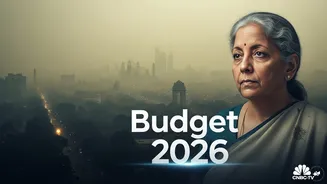
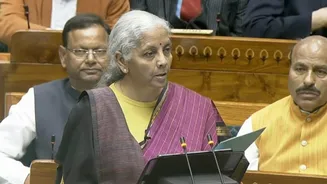
The Education Budget 2026 allocates a considerable sum of Rs 1,39,285.95 crore to the education sector, reflecting a greater investment compared to last
year. This demonstrates the government's commitment to prioritizing education as a vital pillar of national development. The substantial financial backing intends to stimulate growth across various educational areas. The budget aims to bolster the existing educational infrastructure, support research, and fund various educational programs, thus enhancing the overall quality of education throughout the country. The increased allocation also emphasizes the government's recognition of education's significance in fostering human capital and promoting social progress. This significant investment is also designed to ensure that educational resources are available throughout the nation, thus improving the accessibility and quality of education for all.
Medical Education Focus
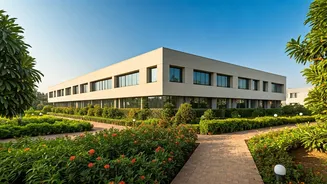
A significant aspect of the Education Budget 2026 is the strategic focus on medical education. The budget provides for the establishment of three new AIIMS (All India Institutes of Medical Sciences). These advanced medical institutions are designed to bolster India's healthcare infrastructure by training more medical professionals and improving access to quality healthcare. Furthermore, the budget includes support for three new Ayurveda institutes, promoting traditional medicine and healthcare practices. The emphasis on medical education addresses the ongoing need for skilled healthcare professionals, contributing to the nation's efforts to enhance public health services. These initiatives reflect the government's dedication to improving the nation's healthcare infrastructure and the well-being of its population through better medical education and facilities.
Skill Development Initiatives
The Education Budget 2026 emphasizes skill development by supporting the establishment of AVGC (Animation, Visual Effects, Gaming, and Comics) and content labs. These initiatives aim to prepare students for careers in the rapidly evolving digital media industry. These labs are crucial to nurturing talent and providing the necessary skills for the creative industry. The allocation toward these new labs is a step toward preparing students for future employment opportunities. This strategic move aligns with the aim of creating a workforce that is equipped with the skills and knowledge to succeed in the digital economy. It also aims at fostering innovation, supporting entrepreneurship, and promoting economic growth through the creation of a talent pool skilled in the latest technology.
Infrastructure Enhancements
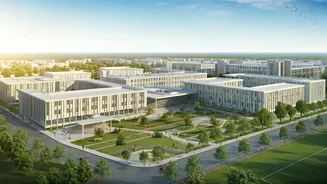
To foster holistic development, the Education Budget 2026 includes plans for girls' hostels in every district, ensuring that female students have access to safe and supportive accommodation. Additionally, the budget supports the establishment of a hospitality institute, thus enhancing skills in the tourism and hospitality sectors. The creation of a design school is another essential feature, which will provide students with the ability to pursue creative and innovative courses. The budget has also allotted funds for university townships to be established, aiming to create integrated educational and residential environments. These measures signify the government's plan for comprehensive development, improving educational infrastructure, and fostering opportunities for career growth. This multifaceted strategy targets all parts of society and promises inclusive progress.
Bridging Education Gap
The Education Budget 2026 addresses the gap between education and employment by incorporating several strategic measures. The promotion of skill-based learning through AVGC and content labs directly caters to industry requirements. Initiatives like the establishment of a hospitality institute equip students with practical skills that are vital in the job market. The expansion of educational infrastructure, including girls' hostels and university townships, facilitates a more inclusive learning environment. By offering a wide range of academic and skill-based programs, the budget makes sure that students receive an education that leads to successful employment and prepares them for the challenges of the modern workplace. This focus is in line with the government's goal of fostering a workforce that is well-prepared and competitive on the international stage.