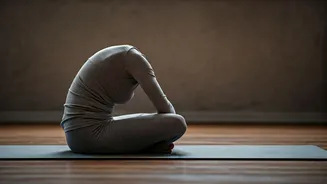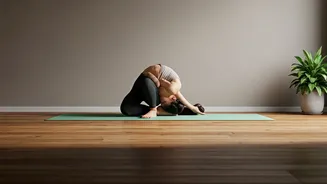



Child's Pose Release
Initiate your journey to tranquility with Child's Pose (Balasana). This gentle, restorative posture offers a tender stretch for the hips, thighs, and lower
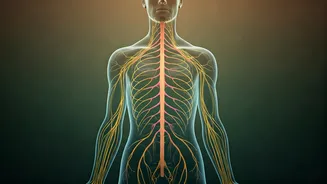
back, encouraging deep, diaphragmatic breathing. By stimulating the parasympathetic nervous system, it effectively signals your body to relax, significantly reducing feelings of stress and anxiety. It provides a safe, grounding sanctuary for processing emotions and fostering a profound sense of inner quietude, making it an excellent starting point for anyone seeking mental relief and a connection to their inner self.
Cat-Cow Flow
Experience the dynamic synergy of Cat-Cow Pose (Marjaryasana-Bitilasana). The rhythmic movement between arching and rounding the spine not only massages the vertebral column but also enhances blood circulation throughout the body. Crucially, this sequence synchronizes breath with physical motion, a practice known to release accumulated tension and combat mental exhaustion. By bringing your focus to the present moment through this mindful flow, you can effectively quiet the chatter of anxious thoughts, fostering a sense of calm awareness and present-moment peace.
Legs-Up Bliss
Indulge in the deeply relaxing Legs-Up-The-Wall Pose (Viparita Karani). This simple yet potent pose involves lying down with your legs extended vertically against a wall, which profoundly calms the nervous system and improves circulation. It is particularly effective in reducing overall stress, alleviating fatigue, and providing a gentle inversion that encourages the release of pent-up emotions. For those experiencing anxiety or persistent feelings of sadness, this pose offers a soothing respite and a pathway to emotional equilibrium.
Forward Fold Calm
Embrace the grounding effect of Standing Forward Fold (Uttanasana). This posture involves bending forward from the hips, allowing the head to hang below the heart. This gentle inversion has a remarkably calming influence on the nervous system, aiding in the reduction of heart rate and overall tension. By encouraging introspection and a downward gaze, Uttanasana provides significant relief from the relentless grip of anxiety and can help lift mild depressive symptoms, fostering a sense of peace and mental stillness.
Bridge Pose Uplift
Discover the uplifting benefits of Bridge Pose (Setu Bandhasana). This pose actively strengthens the back muscles and gently opens the chest, promoting better posture and improved breathing. It also stimulates the thyroid gland, which plays a vital role in regulating mood and energy levels. By lifting the heart towards the sky, Bridge Pose encourages a positive flow of energy and a sense of optimism, effectively combating mental fatigue and easing feelings associated with low mood or general stress.
Seated Bend Serenity
Cultivate inner peace with Seated Forward Bend (Paschimottanasana). This pose involves extending the legs forward and folding the torso over them, accompanied by deep, conscious breathing. It provides a deep stretch for the spine, hamstrings, and shoulders, all while encouraging a state of mindful relaxation. By quieting the mental chatter, improving concentration, and activating the parasympathetic nervous system, Paschimottanasana is an outstanding practice for alleviating anxiety and releasing emotional blockages, leading to a calmer, more focused state of being.
Corpse Pose Peace
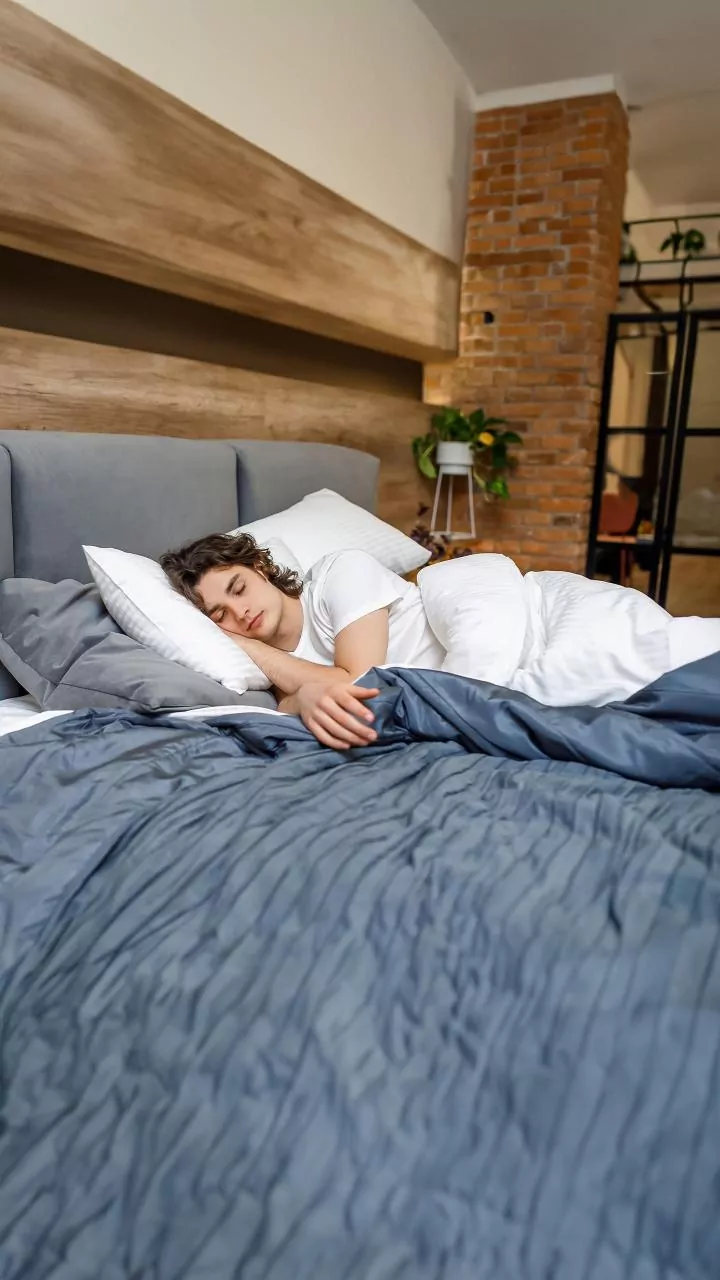
Conclude your practice with the ultimate restorative pose, Corpse Pose (Savasana). This position allows for complete surrender of both the physical body and the mind. By simply lying still and focusing on the natural rhythm of your breath, you facilitate a profound shift in your nervous system, moving it into a deeply restorative state. This practice is instrumental in reducing accumulated stress, calming a restless mind, and cultivating an expansive sense of peace and mental clarity, leaving you feeling wholly revitalized.
Legs-on-Chair Comfort
Experience profound rest with Legs-on-Chair Pose. This restorative posture combines a gentle opening of the chest with the elevation of the legs, typically supported by a chair or other props. This setup allows for deep relaxation, effectively releasing physical tension and soothing the nervous system. It encourages a mindful presence, making it an exceptionally beneficial practice for alleviating both the physical manifestations of anxiety and the emotional weight of low mood, promoting a balanced and tranquil state.