





Coconut Oil's Antifungal Power
Coconut oil stands as a foundational element in hair care for good reason, often described as the 'Swiss Army knife' of the industry. Its inherent antifungal
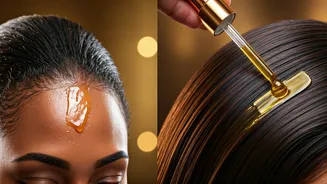
properties are particularly beneficial, as dandruff is frequently linked to an overgrowth of fungi on the scalp. Moreover, its relatively light consistency ensures it doesn't feel excessively heavy, even in scorching 40°C temperatures. For optimal absorption and effectiveness, gently warming the coconut oil before application is recommended. This allows the oil to penetrate the scalp more readily, rather than merely coating the surface of the hair, leading to a more therapeutic and less superficial treatment.
Almond Oil for Soothing Scalps
For individuals who dislike the sensation of greasy hair, almond oil presents an excellent alternative. This oil is richly endowed with Vitamin E, a potent antioxidant that contributes to scalp health. Its thinner consistency compared to other oils makes it ideal for alleviating irritation on scalps that have been stressed by excessive sun exposure or frequent washing. Applying almond oil leaves the hair feeling soft and manageable, crucially without the lingering heavy, oily appearance that can persist through multiple washes. It's a fantastic choice for a light, nourishing treatment that won't weigh your hair down.
Castor Oil's Anti-Inflammatory Benefits
While castor oil is commonly associated with promoting eyebrow growth and thickening hair strands, its primary component, ricinoleic acid, also possesses significant anti-inflammatory capabilities. A notable drawback of castor oil is its exceptionally thick, syrupy texture, akin to liquid honey, which can feel sticky. To mitigate this, a practical solution is to blend it in a 50/50 ratio with a lighter oil, such as almond or coconut oil. This combination is particularly effective for addressing dandruff caused by a dry, dehydrated scalp, providing both hydration and therapeutic benefits without overwhelming the hair.
Tea Tree Oil for Freshness
If a refreshing, tingling sensation is what you seek, tea tree oil is the ultimate choice. This potent oil is a formidable weapon against the yeast-like fungus commonly responsible for dandruff. A crucial cautionary note: pure tea tree oil should never be applied directly to the skin, as its concentrated nature can be too harsh. Instead, incorporate approximately 5 to 10 drops into a carrier oil. It serves as a perfect 'reset' for a scalp that feels clogged with sweat and grime, offering a clean and revitalized feeling, especially after a demanding week.
Neem Oil for Stubborn Flakes
When dandruff proves persistent or the scalp feels excessively itchy and irritated, neem oil is the powerful solution required. Its potent antimicrobial properties are highly effective against scalp issues. It's important to be aware that neem oil has a distinct, medicinal aroma and a thick texture. It is not recommended for direct application. Instead, mix a few drops into a base oil like coconut or almond oil. This dilution helps to calm itching almost immediately and, with consistent weekly application, can effectively clear up stubborn flakes, offering significant relief.