






Unforeseen Health Incident
In an unfortunate turn of events on Wednesday, February 25, 2026, a public health initiative in Bihar's Patna district faced an unforeseen complication.
While a campaign to eliminate lymphatic filariasis was underway, several young students in the Ganpat Rai Tola area of Athmalgola locality experienced sudden illness shortly after consuming medication. This incident cast a shadow over the otherwise ongoing Mass Drug Administration (MDA) efforts, designed to protect the community from the debilitating effects of filariasis. The primary concern immediately shifted to the well-being of the affected children, prompting swift action from local health authorities to address the situation and provide necessary medical care. The event highlighted the sensitive nature of public health interventions and the importance of vigilant monitoring and rapid response mechanisms.
Medication Side Effects Identified
Health officials swiftly identified the cause of the students' discomfort as a known side effect of Albendazole, the medication administered as part of the Mass Drug Administration (MDA) programme. This drug is a crucial component in the fight against parasitic infections like filariasis. While generally safe and effective when administered under controlled conditions, Albendazole can, in some individuals, trigger adverse reactions. The medical officer at Athmalgola Community Health Centre (CHC) confirmed that the children who fell ill were experiencing reactions to this specific medicine. Despite the temporary setback, the official emphasized that all affected students were now safe and recovering without any lingering complications, underscoring the effectiveness of the prompt medical attention provided. This explanation aimed to alleviate concerns and reassure the public about the safety protocols in place.
Rapid Response and Care
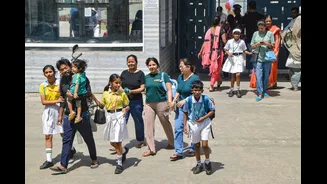
Following the reports of students falling ill, a robust and immediate response was mobilized. A Quick Response Team (QRT) equipped to handle medical emergencies, along with an ambulance, was dispatched to the primary school in Ganpat Rai Tola without delay. This swift deployment ensured that any child experiencing adverse effects received prompt medical assessment and treatment. The children who showed signs of illness were transported to a local hospital for thorough examination and care. The medical officer reiterated that these children were receiving all necessary treatment and were expected to make a full recovery. The presence of the QRT and ambulance demonstrated the health department's commitment to safeguarding the welfare of the participants in the MDA campaign and their readiness to manage any unexpected health challenges that might arise during such public health initiatives.
Campaign Context and Reassurance
The medical officer provided crucial context regarding the ongoing filariasis elimination campaign, assuring the public that the program had been running smoothly for an extended period without any prior issues. The administration of Albendazole and other necessary medications had been successfully conducted across various locations in Bihar. This particular incident in Athmalgola was an isolated occurrence, and the medicine itself is widely used and approved for mass drug administration initiatives aimed at controlling parasitic diseases. The official stressed that the medicine is safe and that the current adverse reactions were manageable side effects, not indicative of a systemic problem with the drug or the campaign's overall integrity. The continuous efforts to combat filariasis, a parasitic infection transmitted by mosquitoes, are vital for public health, and the campaign's continuation was deemed essential.