




A Sweet Introduction
Indian desserts are known globally for their unique flavors, vibrant colors, and rich textures, often stemming from the use of regional ingredients and traditional
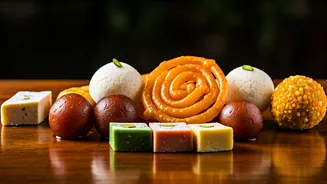
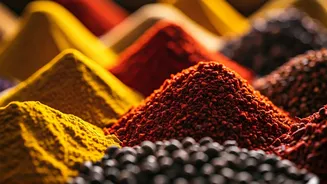
techniques. These sweets are not just food; they are an integral part of Indian culture, celebrated during festivals, weddings, and everyday moments of joy. From creamy kulfi to the iconic gulab jamun, each dessert tells a story of heritage and culinary expertise. These recipes offer a glimpse into the diverse sweet traditions of India, encouraging readers to explore and enjoy these delightful treats. The goal is to make these recipes accessible to all, providing simple instructions for authentic Indian sweets. Indian desserts use a range of ingredients, from dairy-based sweets to fruit-based preparations, and even those featuring grains and lentils. These desserts often incorporate nuts, spices, and fragrant elements like cardamom and rosewater, which add a distinctive aroma and flavor, making each dessert a unique culinary experience. With this guide, you can create a memorable culinary experience in the comfort of your kitchen.
Gulab Jamun Delights
Gulab Jamun is a beloved Indian dessert. These deep-fried milk balls are soaked in a fragrant sugar syrup. The syrup is often infused with cardamom and rosewater. This dessert is a staple during Indian festivals and celebrations. Gulab Jamun’s texture is soft, spongy, and melts in your mouth. The combination of the warm, syrupy exterior with the sweet, doughy interior makes it irresistible. Its popularity extends beyond India. It's a sweet sensation that can be found in restaurants and sweet shops globally. The preparation of Gulab Jamun typically involves making the dough, deep-frying the balls until golden brown, and soaking them in syrup. The syrup’s consistency is crucial, as it affects the final texture. This dessert's success depends on getting the perfect balance between the soft balls and the rich, flavored syrup. This classic sweet is known for its ability to bring joy and add sweetness to any occasion, and is a great starting point for anyone looking to try their hand at Indian desserts.
Rasmalai: Creamy Indulgence
Rasmalai is a classic Indian dessert known for its creamy texture and delicate flavors. This dessert features soft cheese patties (chena), soaked in sweetened, thickened milk, flavored with cardamom and saffron. The milk used is often rich, full-fat milk, boiled down until it thickens and reduces. Rasmalai's texture is soft and almost pillowy. The milk is infused with flavor, creating a luxurious and aromatic experience. The saffron adds a beautiful color and a subtle floral note. The cheese patties are made from fresh cheese (chena), gently simmered to retain their soft texture. Rasmalai is a perfect dessert for celebrations and special occasions. Preparing Rasmalai at home requires patience and attention to detail. The process involves making the cheese, shaping the patties, simmering them in sugar syrup, and then soaking them in the sweetened milk. The final presentation is often garnished with pistachios or almonds, adding visual appeal and a crunchy texture. Rasmalai represents a refined example of Indian dessert artistry, offering a balance of flavors and textures, making it a favorite for many.
Jalebi: Crispy Sweetness
Jalebi is a popular Indian sweet known for its crispy, syrupy goodness. This deep-fried, pretzel-shaped dessert is made from a fermented batter of all-purpose flour. The batter is squeezed into hot oil in circular shapes and then deep-fried until golden. Once fried, the jalebis are immediately soaked in a sugar syrup infused with flavors. The syrup can include cardamom, saffron, or rosewater to give an enticing aroma. The contrast between the crunchy exterior and the sweet, syrupy interior makes jalebi a delightful treat. The frying process is key to achieving the desired crispy texture, while the syrup provides a burst of sweetness. Jalebis are often served hot, making them a comforting snack, especially in the cooler months. You can find Jalebi sold at street stalls and sweet shops all over India. Jalebi is often paired with other snacks or enjoyed on its own. It's a dessert that perfectly showcases India's love for sweets. The preparation is straightforward, and the result is a flavorful, eye-catching treat. Jalebi is also a symbol of celebrations, often enjoyed during festivals and other special occasions.
Kulfi: Frozen Delight
Kulfi is a traditional Indian ice cream, known for its dense texture and rich flavor. Unlike Western-style ice creams that are churned, kulfi is slowly simmered and frozen, resulting in a more concentrated flavor and creamier consistency. Kulfi is made by reducing milk with sugar and flavoring it with cardamom, pistachios, and saffron. The slow cooking process caramelizes the milk solids, giving kulfi its unique taste. Kulfi can come in various flavors, from classic malai (milk) to mango, pistachio, and almond. The density of kulfi makes it less prone to melting, making it a perfect dessert for outdoor events. Kulfi is usually served in molds, often adorned with chopped nuts or a sprinkle of cardamom powder. Kulfi is a perfect treat during the hot Indian summers. Making kulfi at home is a simple process. It involves reducing the milk mixture until it thickens and then freezing it in kulfi molds or small cups. The result is a refreshing and satisfying dessert that captures the essence of Indian flavors.
Barfi: Milk Fudge Magic
Barfi is a simple yet delicious Indian sweet. It is a dense milk fudge prepared from milk solids or milk powder, sugar, and sometimes ghee. Barfi comes in various forms and flavors, including plain, cashew, pista (pistachio), and chocolate. The texture of barfi can range from soft and crumbly to firm and chewy. The variations of barfi involve adding different ingredients, such as nuts, coconut, or spices, to enhance the flavor. Plain barfi relies on the richness of milk and sugar, while other versions incorporate textures and flavors. Barfi is made by cooking the milk and sugar mixture until it thickens. The mixture is then poured into a tray, allowed to cool, and cut into squares or diamond shapes. The use of ghee adds a smooth, glossy finish to the barfi, enhancing both its appearance and texture. Barfi is a popular dessert for celebrations and festivals. It's easy to make, making it a favorite for home cooks. Its versatility also means that it can be adapted to suit different tastes.
Payasam: Rice Pudding
Payasam, also known as kheer, is a creamy rice pudding popular throughout India. The base of payasam is typically rice, cooked in milk, sugar, and flavored with cardamom and nuts like cashews and raisins. The rice is gently cooked until it becomes soft and tender, resulting in a thick, creamy consistency. Payasam has many variations. Some recipes use vermicelli (sewai) or semolina instead of rice. The milk is simmered with the other ingredients, allowing the flavors to meld together and intensify. Saffron is often added to create a richer flavor. Payasam is often served warm or cold, depending on the preference. The preparation involves simmering the rice with milk, sugar, and flavorings until it thickens. Garnishing payasam with toasted nuts and a drizzle of ghee can enhance its presentation and flavor. Payasam is often prepared during festivals. Its simple ingredients create a soothing and satisfying dessert that is loved by all. It is a symbol of warmth and hospitality in Indian homes.
Besan Ladoo: Golden Balls
Besan Ladoo is a classic Indian sweet made with gram flour (besan), sugar, and ghee. The besan is roasted slowly in ghee until it turns golden brown, releasing a nutty aroma. Sugar is added to the roasted besan to sweeten the mix. Cardamom and sometimes nuts are added for flavor and texture. The mixture is then shaped into round balls. The quality of ingredients plays a vital role in determining the taste. Besan Ladoo has a rich, slightly grainy texture with a melt-in-your-mouth feel. These are popular during festivals and celebrations due to their ease of preparation and their rich taste. Preparing besan ladoo involves slowly roasting the besan, adding sugar and flavoring, and shaping the mixture. The roasting process requires patience and attention, as the temperature and timing impact the final texture. Besan Ladoo is a comforting treat that represents the essence of Indian sweet making.
Motichoor Ladoo: Tiny Delights
Motichoor Ladoo is a popular Indian sweet known for its small, round shape and unique texture. These are made from tiny droplets of fried gram flour batter, called boondi, which are soaked in sugar syrup and formed into balls. The boondi is deep-fried until golden brown, then soaked in sugar syrup infused with saffron or cardamom. This results in the vibrant color and sweet flavor. The syrup binds the boondi together, creating the distinctive spherical shape. Motichoor Ladoo's texture is soft and almost melt-in-your-mouth. It is a festive treat, often served during weddings and religious events. The preparation involves making the batter, frying the boondi, soaking it in syrup, and forming the ladoos. The skill lies in achieving the right consistency for the batter and syrup. The final product is a visually appealing and delicious sweet. Motichoor Ladoo’s appeal comes from its delicate texture and the perfect balance of sweetness.
Gajar Ka Halwa: Carrot Pudding
Gajar Ka Halwa is a beloved Indian dessert made with grated carrots, milk, sugar, and ghee. The carrots are slow-cooked in ghee until they soften and release their natural sweetness. Milk is added to create a creamy base, and sugar is included to enhance the flavor. Cardamom and nuts, such as almonds or cashews, add flavor and texture. The cooking process is slow, allowing the flavors to meld. Gajar Ka Halwa has a rich, slightly granular texture with a deep, complex flavor from the reduction process. It is a winter favorite and is often served warm. The preparation involves grating the carrots, cooking them in ghee, adding milk and sugar, and simmering until the liquid evaporates. The halwa is garnished with nuts for a crunchy texture. Gajar Ka Halwa is an adaptable dish that can be prepared with varied levels of sweetness and consistency. It's a comforting dessert that brings warmth and sweetness during colder months.
Malpua: Sweet Pancakes
Malpua is a traditional Indian pancake, often associated with festivals and celebrations. These are made from a batter of flour, milk, and sometimes, yogurt or mashed bananas. The batter is deep-fried to create a fluffy pancake. The fried malpuas are then soaked in a sugar syrup. This syrup is usually flavored with cardamom, saffron, and other spices to enhance the taste. Malpua is often served hot, garnished with nuts and sometimes, cream or condensed milk. The texture is soft, spongy, and deliciously syrupy. The preparation involves mixing the batter, frying the malpuas until golden, and soaking them in the syrup. The texture of malpua is soft and fluffy. The sweetness and flavors make it a versatile dessert that can be customized to individual preferences. Malpua is a symbol of celebration in many parts of India and remains a cherished dessert for all age groups.
Shrikhand: Yogurt Dessert
Shrikhand is a creamy, sweet yogurt dessert popular in Western India, especially in Gujarat and Maharashtra. This dessert is made by straining yogurt to remove the whey. This results in a thick, creamy base. The strained yogurt is then mixed with sugar and flavored with cardamom, saffron, and sometimes, nuts. The consistency is smooth and rich. Shrikhand is often served chilled, making it a refreshing treat, particularly during the hot summer months. It is often garnished with chopped nuts, adding visual appeal and a crunchy texture. Preparing shrikhand at home is a simple process. The process involves hanging the yogurt to remove the excess water, mixing the thick yogurt with sugar and flavors, and chilling it before serving. The quality of the yogurt and the choice of flavors contribute to the dessert’s final taste. Shrikhand is a refreshing and satisfying dessert that showcases the versatility of yogurt in Indian cuisine.
Peda: Milk Sweet Balls
Peda is a popular Indian sweet known for its simplicity and rich flavor. Made from milk solids (khoya), sugar, and often flavored with cardamom and saffron. The khoya is cooked down until it thickens, sugar is added, and the mixture is shaped into small, round or flattened discs. Peda is a common treat during festivals and religious ceremonies. The texture is soft and chewy. The preparation involves making khoya, adding sugar, flavoring the mixture, and shaping the pedas. The quality of the khoya significantly affects the flavor and texture of the peda. Variations can include adding nuts, such as pistachios or almonds, to enhance the presentation and flavor. Peda is a versatile sweet, that's often available in different flavors. It offers a rich and comforting experience, making it a beloved treat throughout India.
Modak: Sweet Dumplings
Modak is a traditional sweet dumpling associated with the Hindu deity Ganesha, especially during the festival of Ganesh Chaturthi. These are made with a rice flour dough, filled with a mixture of grated coconut, jaggery, and spices. The filling is usually sweet, with a mixture of coconut and jaggery providing a rich flavor. Modaks are steamed, resulting in a soft, delicate texture. They can also be fried, resulting in a crispy exterior. The shape of a modak, often pointed at the top, is symbolic. The preparation involves making the dough, preparing the filling, shaping the modaks, and either steaming or frying them. The process may require skill and patience. Modaks are more than just a dessert. They are a symbol of reverence and a testament to the cultural traditions of India. The sweetness of the filling and the soft texture make them a popular sweet.
Kesar Pista Phirni: Creamy Rice
Kesar Pista Phirni is a rich and creamy rice pudding, originating from North India. This dessert is made by grinding soaked rice into a coarse paste, then cooking it with milk, sugar, saffron (kesar), and pistachios (pista). The rice provides a creamy texture. Saffron adds a beautiful color and a subtle floral flavor. Pistachios add a rich taste. The phirni is often set in small earthen bowls (matka), which absorb the extra moisture and enhance the flavor. This allows it to set. The texture is thick and creamy. The preparation involves grinding the rice, cooking it with milk and sugar, and adding saffron and pistachios. Setting the phirni in the earthenware adds to the sensory experience. Kesar Pista Phirni showcases the art of Indian dessert making. It is a treat that brings joy and elegance to any meal, often prepared during celebrations and special occasions.