






Countdown Begins
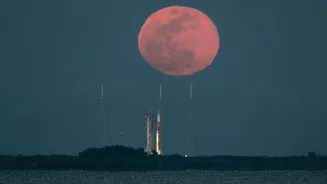
The anticipation around NASA's Artemis 2 mission is palpable. The space agency is aiming to roll out the Artemis 2 rocket as early as January 17th. This
launch represents a pivotal moment in NASA's ambitious plan to return astronauts to the lunar surface. The preparations include meticulous checks and testing of every component of the massive Space Launch System (SLS) rocket and the Orion spacecraft. Engineers are working diligently to ensure the hardware is ready to withstand the rigors of space travel and provide a safe and successful journey for the crew. The rollout date is a tentative target, contingent on the completion of all necessary pre-launch activities and favorable weather conditions. The public and space community are watching closely, ready for the unfolding of this historic event that aims to reignite human exploration beyond Earth's orbit and into the depths of space. The launch will be a testament to human ingenuity and a major step forward for the global space program.
Rocket's Key Components
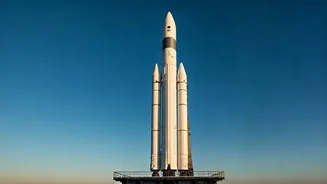
The Artemis 2 mission hinges on the reliable performance of two crucial elements: the Space Launch System (SLS) rocket and the Orion spacecraft. The SLS, a powerful rocket designed to launch heavy payloads beyond Earth's orbit, is the core of this ambitious project. It will provide the thrust needed to send the Orion spacecraft, carrying a crew of astronauts, on its journey to the Moon. The Orion spacecraft, built to transport the astronauts, will serve as their home for the duration of the mission. The spacecraft is equipped with life support systems, living quarters, and the necessary technology to protect the crew during their lunar voyage. Every system, from propulsion to communication, undergoes rigorous testing to guarantee that they can operate flawlessly under the extreme conditions of space. The intricate integration of the SLS rocket and the Orion spacecraft represents a significant feat of engineering, marking the collaboration of countless individuals from around the world to ensure the success of this mission. Together, these two elements form the backbone of NASA's Artemis program.
Mission's Goals
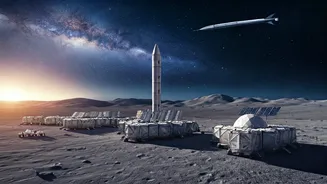
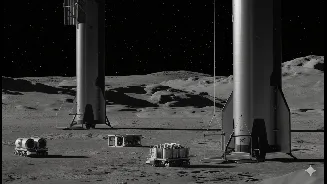
Artemis 2 is designed to be a critical stepping stone towards establishing a sustained human presence on the Moon. This mission is primarily a crewed flight that will test the performance of the Orion spacecraft. The goal of the Artemis 2 mission includes the validation of the spacecraft's life support systems, the assessment of the crew's capabilities in the space environment, and the demonstration of the spacecraft's capacity to transport astronauts to and from lunar orbit. Beyond the specific objectives of the Artemis 2 mission, the data collected will provide valuable insights into the design, operation, and safety measures needed for future lunar missions, including the Artemis 3 mission, which plans to land humans on the Moon. This includes the preparation of landing sites for crewed missions. Each stage of the Artemis program contributes vital data to support the long-term goal of the permanent establishment of a lunar base and, eventually, a gateway for deep space exploration, including the exploration of Mars and beyond.
Anticipated Timeline
While January 17th is the tentative date for the Artemis 2 rocket's rollout, it is subject to change. Several factors influence the scheduling, including the completion of essential tests, inspections, and the consideration of weather conditions. The actual launch date is set to be some time after the rollout, as final preparations and testing are completed at the launch site. The timeline will be closely monitored, with updates and adjustments announced as needed. The public will be informed of any changes to the schedule. The goal is to provide a safe and successful launch, ensuring the crew's safety and the mission's objectives are met. The space community is prepared for any adjustments that the mission demands. The rollout date is a significant milestone, representing the progress made and the anticipated launch of the rocket, with the actual launch date announced after all pre-launch preparations are finalized. It's a reminder of the complex preparations that go into launching a mission of this magnitude.