




A Serious Diagnosis
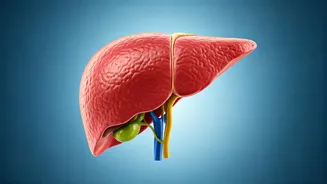
The narrative begins by focusing on a teenage individual whose health took a critical turn when diagnosed with fatty liver disease at just 14 years old.
This early onset presented a severe medical challenge, ultimately leading to the need for a liver transplant. The progression of the illness was particularly rapid, signaling an urgent requirement for medical intervention. The initial diagnosis served as a pivotal moment, highlighting the urgency and gravity of the teenager's situation. It emphasized the complex interplay of several factors and how they collectively contributed to the rapid development of a life-threatening illness. This case underscores the need for proactive health management and awareness among the younger generation, along with the importance of seeking medical help promptly.
Junk Food's Impact
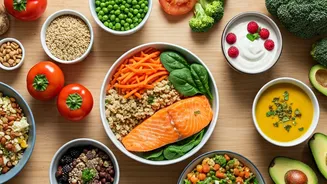
The influence of junk food, which is often high in processed ingredients and sugars, acted as a major catalyst in the young person's health deterioration. Regular consumption of such foods often leads to the accumulation of excess fat within the liver, eventually resulting in the development of fatty liver disease. The liver's ability to filter toxins gets compromised, potentially leading to chronic inflammation and tissue damage. The implications go far beyond immediate discomfort, as this condition poses serious long-term health risks, including liver failure. These findings highlight the importance of adopting a balanced diet and steering clear of excessive amounts of junk food to safeguard liver health and overall well-being. Proper nutrition is critical to supporting the liver's function and mitigating the dangers linked to fatty liver.
Hidden Genetic Factors
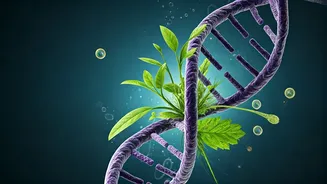
While diet is critical, the article also spotlights the potential role of genetic predispositions in the teen's medical journey. Some people may be inherently more susceptible to developing fatty liver disease because of inherited traits. These genetic factors can affect how the body processes fats, which might make it harder to prevent the buildup of fat in the liver. It's not always simple, as the interaction between genetic risk and lifestyle choices makes it even harder. This combination suggests that a teen could face a higher chance of disease if poor eating habits were coupled with a genetic predisposition. Understanding genetic factors can help determine a tailored approach to preventative care and prompt diagnosis, helping patients make well-informed health choices.
Obesity's Role
Obesity also played a significant role in the young person's illness. Being overweight or obese elevates the risk of fatty liver disease. The accumulation of excess fat in the body usually results in fat gathering in the liver, which worsens the disease. This added pressure from excess weight worsens liver damage, possibly leading to serious complications. Obesity not only poses direct health risks but also amplifies the impact of unhealthy eating habits and genetic factors, setting up a complex interplay of health issues. Therefore, controlling weight, through diet and exercise, becomes a fundamental aspect of preventing and treating fatty liver disease, thereby emphasizing the need for comprehensive health management focused on a balanced lifestyle.
Road to Transplant
The journey ultimately culminated in a liver transplant, an intense medical procedure. This drastic action became necessary because of the significant liver damage inflicted by the combined effect of junk food, genetic predispositions, and obesity. The liver's deterioration compromised its ability to work effectively, which then threatened the young person's life. A transplant signified a chance to regain health and recover. This procedure brought both emotional and physical challenges for the teen, and the process also underscored the complexities of long-term care, as well as the need for comprehensive support, including medical follow-up and lifestyle adjustments. This case highlights how health issues can be complex and how a proactive, holistic approach to wellness is critical.