



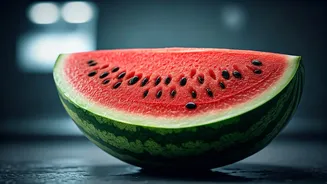
Fruit's Vulnerability Explained
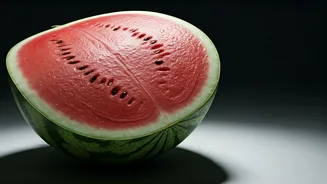
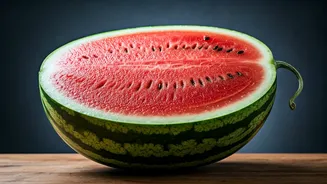
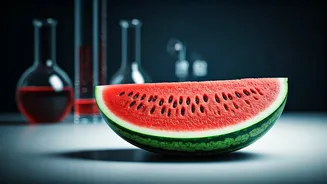
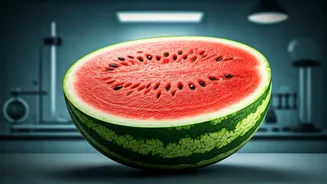
While a refreshing treat, watermelon possesses a composition that, under specific circumstances, can transform it into a vehicle for harmful pathogens
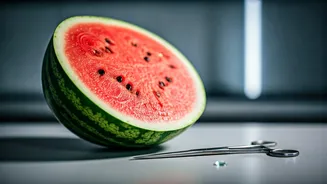
or substances. Its inherently high water content and natural sugars create an ideal environment for rapid bacterial proliferation once contamination occurs. This vulnerability is amplified once the fruit is cut, as the interior becomes exposed. Any lapse in hygiene during the cutting process – whether it involves unclean hands, knives, or surfaces – directly facilitates the transfer of bacteria. Furthermore, during its journey from farm to table, watermelons can be exposed to unsanitary conditions through contaminated crates, dirty transportation vehicles, or careless handling by individuals. The risk escalates when these fruits become tainted with hazardous bacteria such as Salmonella, Listeria, or specific pathogenic strains of E. coli, all of which can trigger severe health issues in consumers.
Beyond Natural Risks
The potential for watermelon contamination extends beyond natural bacterial growth and handling issues. Concerns arise from agricultural practices, where the use of certain chemicals, like organophosphates, can pose a threat if present in high residues. These chemicals are known to affect the nervous system and can lead to severe symptoms if ingested in significant quantities. Additionally, the practice of injecting watermelons with sugar water or glucose to enhance sweetness and visual appeal is a practice that nutritionist Rupali Datta warns is dangerous. This artificial enhancement not only misleads consumers but also provides an additional source of sustenance for microbes, further accelerating bacterial growth within the fruit. Improper storage is another significant culprit; leaving cut watermelon at ambient room temperatures for extended periods creates a perfect storm of warmth, moisture, and sugar, fostering a rapid breeding ground for harmful microbes and rendering the fruit unsafe for consumption.
Identifying Safe Choices
Ensuring the safety of your watermelon consumption involves a combination of careful selection and diligent preparation. When choosing a watermelon, look for fruits that feel substantial for their size and emit a slightly hollow sound when tapped, indicative of ripeness and good quality. Dr. Tanu Singh advises caution with watermelons that have an excessively shiny surface, as this could sometimes be a sign of chemical treatment, potentially for aesthetic purposes. Before any cutting takes place, it is crucial to thoroughly wash the outer rind under running water, even though it is not eaten. This step helps remove surface contaminants that could be transferred to the flesh during slicing. For an extra layer of safety, consider soaking the washed watermelon in a baking soda solution for a short period to aid in cleaning. Always utilize clean knives and chopping boards, and promptly refrigerate any cut watermelon to inhibit bacterial growth. If, during the cutting process, you detect an off-putting smell, it is prudent to discard the fruit entirely.