





Understanding Khiru
Many Indian households rely on fermented batters for dishes like dosa, a process that enhances flavour and digestibility. However, improper fermentation
or storage can lead to spoilage, a condition often referred to as 'khiru' in certain regions. This term signifies that the batter has gone beyond desirable fermentation and is now potentially unsafe for consumption. Initially, the changes might be subtle, but over time, harmful microbes can proliferate, altering the batter's aroma, texture, and safety. Recognizing 'khiru' early is crucial for preventing foodborne illnesses and minimizing waste, ensuring you only use batter that is both safe and of good quality for your culinary creations.
Causes of Spoilage
The transformation of good dosa batter into 'khiru' is typically a consequence of unchecked fermentation, often exacerbated by environmental factors. Leaving the batter at room temperature for extended periods allows the beneficial lactic acid bacteria to continue their work, but eventually, undesirable microorganisms can take over. High temperatures and humidity significantly accelerate this process; warm climates are particularly conducive to rapid over-fermentation. Furthermore, inadequate storage practices, such as using unclean utensils or containers, or exposing the batter to open air, invites contamination from external microbes. Even simple actions like using a wet spoon or mixing a fresh batch with an older, potentially compromised one can introduce unwanted bacteria and fungi, hastening the spoilage and leading to the dreaded 'khiru' state.
Warning Signs to Watch
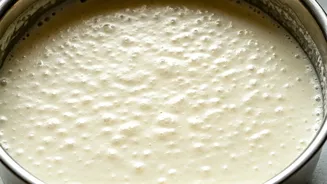
Detecting 'khiru' in your dosa batter involves a keen observation of its sensory attributes. While a slight sourness is characteristic of normal fermentation, an overwhelmingly pungent, acrid, or foul odour is a definitive red flag indicating spoilage. The batter's texture can also provide clues; it might become unusually watery, excessively thick, or develop an unappetizingly lumpy consistency, deviating from the smooth, slightly aerated texture of good batter. Visual inspection is equally important: the appearance of mould, often seen as black, green, or grey patches, renders the batter unsafe. A taste that is excessively sour or distinctly bitter, beyond the usual mild tang, suggests that the fermentation has gone too far. Finally, while some gas bubbles are normal, an excessive proliferation of them or a layer of very clear liquid on top can signal that fermentation has progressed beyond its optimal stage.
Health Risks Involved
Consuming dosa batter that has turned into 'khiru' poses significant health risks due to the proliferation of harmful bacteria and fungi. These microorganisms can produce toxins that, when ingested, can lead to severe gastrointestinal distress. Symptoms commonly include nausea, vomiting, diarrhoea, and sharp abdominal pains, making it a decidedly unpleasant experience. Health authorities like the Food Safety and Standards Authority of India (FSSAI) and the World Health Organization (WHO) consistently emphasize the critical importance of proper storage and timely consumption of fermented foods. Adhering to their guidelines is paramount to preventing foodborne illnesses that can arise from consuming spoiled batter.
Preventing Khiru Formation
Proactively preventing your dosa batter from becoming 'khiru' is straightforward with a few key practices. Once your batter has reached the desired level of fermentation, promptly refrigerate it to significantly slow down the microbial activity. Always ensure that any utensils, spoons, and containers you use are thoroughly clean and completely dry to avoid introducing unwanted microorganisms. Keeping the batter well-covered in an airtight container further shields it from airborne contaminants and external germs. It's also advisable to avoid mixing a new batch of batter with an older one, as this can transfer spoilage agents and degrade the quality of the fresh batter. Regularly monitor the fermentation time, especially in warmer climates where it can take as little as 6 to 8 hours; timely checks can prevent over-fermentation. If, despite these measures, your batter exhibits signs of spoilage like a bad smell, mould, or unusual colour, it is safest to discard it entirely, as contamination may have spread even if only a small portion appears affected.