



Punjabi Food's Appeal
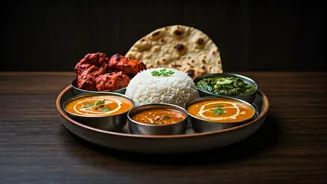
Punjabi cuisine, renowned for its rich flavors and generous use of ingredients, holds a special place in the hearts of food enthusiasts. The appeal of Punjabi food lies
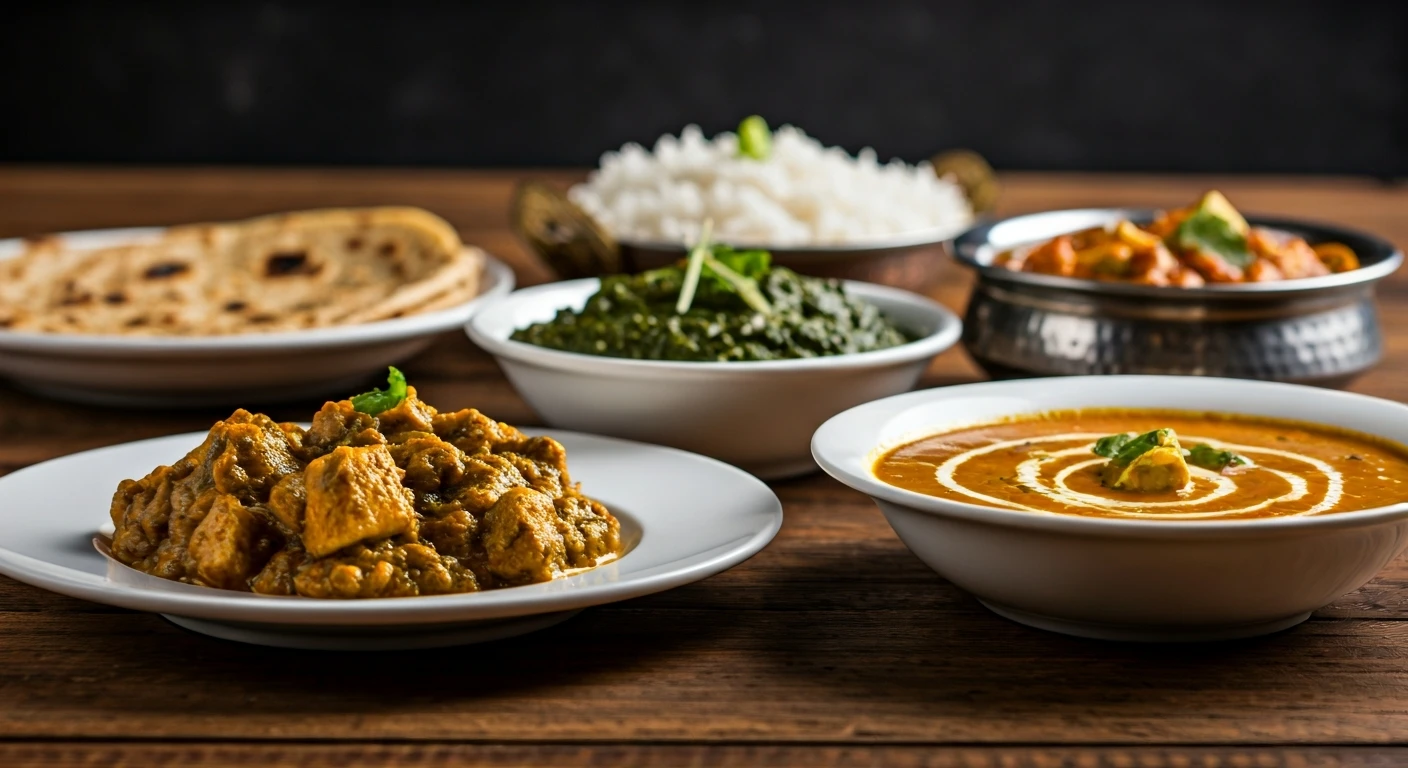
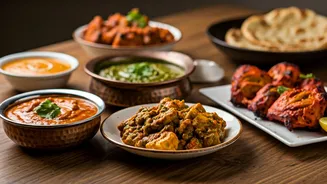
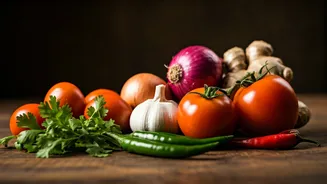
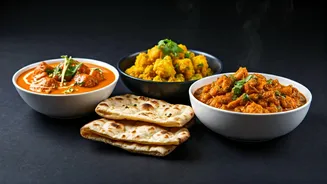
in its diverse range of dishes, each boasting a unique combination of spices and textures. From the creamy indulgence of butter chicken to the hearty satisfaction of chole bhature, the cuisine offers a culinary journey for every palate. The use of ghee, butter, and cream contributes to the dishes' richness, while the blend of aromatic spices like ginger, garlic, and garam masala elevates the taste profiles. Moreover, Punjabi food is often associated with communal dining, adding a social element to the experience. Families and friends gather around tables laden with these delectable dishes, fostering a sense of togetherness and celebration. This combination of robust flavors, diverse offerings, and social connections makes Punjabi food an enduring favorite.
Badshah's Diet Overview
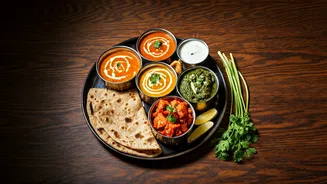
While specific details of Badshah's diet are not publicly available, it's possible to analyze the nutritional profiles of common Punjabi dishes to understand their potential impact. A balanced diet often includes a variety of food groups. Many Punjabi dishes, by their nature, contain elements from different food groups. For example, a typical meal might include roti (carbohydrates), dal or paneer (proteins), vegetables (vitamins and minerals), and a small amount of fat from cooking oils or ghee. Incorporating such a variety allows for a comprehensive intake of essential nutrients. However, the heavy use of fats and certain cooking methods in traditional Punjabi cuisine often contributes to high-calorie intake. The key lies in portion control and mindful food choices. For instance, opting for lean meats, whole grains, and incorporating plenty of vegetables can help to make Punjabi cuisine healthier. Understanding the nutritional composition of ingredients and choosing healthier cooking methods can help to balance dietary preferences with health goals.
Health Benefits Explored
Punjabi cuisine offers certain health benefits despite its reputation for being rich. Many dishes are made with ingredients that have nutritional value. For example, the use of fresh vegetables in various preparations contributes to a good intake of vitamins and minerals, supporting immune function and overall well-being. Some ingredients, such as ginger, garlic, and turmeric, also possess anti-inflammatory properties, providing additional health advantages. Furthermore, dishes like dal (lentils) are rich sources of protein and fiber, promoting satiety and aiding digestion. However, the high fat content in many Punjabi dishes can be a cause for concern. Excess fat intake can lead to weight gain and increase the risk of cardiovascular diseases. To mitigate these issues, it is essential to balance the consumption of Punjabi food with regular exercise and a lifestyle focused on overall wellness. Mindful eating, portion control, and choosing leaner cooking options, such as using less oil, can help to maximize the benefits and minimize the potential downsides.
Popular Dishes Decoded
Let's examine some of the most popular Punjabi dishes and their nutritional characteristics. Butter chicken, a creamy, tomato-based dish with tender chicken, is a favorite, but it's often high in calories and saturated fats. The generous use of butter and cream contributes to its rich flavor, but also increases the calorie density. Palak paneer, a spinach-based dish with paneer (Indian cheese), is a good source of iron and protein from the spinach and paneer, respectively. However, the preparation may involve cooking it in butter or cream, increasing the fat content. Chole bhature, a combination of spicy chickpea curry and deep-fried bread, is another popular choice. The bhature are high in calories and fat due to the frying, while the chole provides protein and fiber. Dal makhani, a lentil-based dish slow-cooked with cream and butter, is rich in protein and fiber from the lentils, but also contains a significant amount of fat. To make these dishes healthier, opt for lean protein sources, reduce the amount of added fats, and increase vegetable consumption.
Smart Dietary Choices
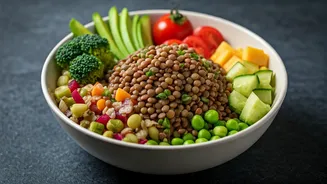
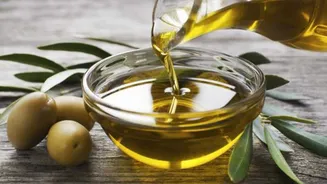
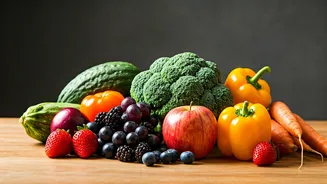
Incorporating smart dietary choices into your routine can help you enjoy Punjabi food without compromising your health goals. First, focus on portion control. Instead of indulging in large servings, consume smaller portions and savor each bite. This helps in managing calorie intake while allowing you to enjoy your favorite dishes. Second, select healthier cooking methods. Opt for grilling, baking, or steaming instead of deep-frying whenever possible. These methods reduce the intake of added fats and calories, making the meal lighter and healthier. Third, prioritize incorporating more vegetables and lean protein into your meals. Load up on salads, vegetable sides, and lean protein options like chicken, fish, or paneer to balance out the richness of the main dishes. Finally, be mindful of the ingredients used. Choose whole-wheat rotis instead of refined flour ones. Select healthier cooking oils like olive or canola oil. By making these informed choices, you can effectively enjoy the flavors of Punjabi cuisine while keeping health at the forefront.
Balancing Act: Lifestyle
Balancing your diet with an active lifestyle is key to overall wellness. Regular physical activity helps burn calories, improves cardiovascular health, and boosts metabolism. Aim for at least 30 minutes of moderate-intensity exercise most days of the week, or 150 minutes of moderate or 75 minutes of vigorous exercise weekly. Combining a balanced diet with regular exercise provides synergistic benefits, supporting weight management and overall health. In addition to physical activity, adequate hydration and sleep are also crucial. Drinking enough water helps with digestion and nutrient absorption, while sufficient sleep promotes recovery and regulates metabolism. Managing stress levels through practices like yoga, meditation, or spending time in nature can also positively impact your well-being. Making these lifestyle adjustments enhances the benefits of your dietary choices, promoting a healthier and more balanced life.
Badshah's Diet in Context
While details about Badshah's specific diet are unavailable, it is possible to speculate on how he might incorporate Punjabi cuisine into his life. As a public figure, he might have access to a nutritionist who would guide him. Considering his busy schedule and fitness goals, he might focus on portion control and mindful eating. He could choose healthier cooking methods, such as grilled or baked preparations. He would likely prioritize consuming lean proteins and fresh vegetables. Given the nature of his profession, where physical appearance is often emphasized, he would likely make informed choices to manage his calorie intake while relishing the flavors of Punjabi food. His approach would be a balanced one, where he blends his love for traditional dishes with health-conscious choices to maintain both his performance and his overall well-being. This balance reflects a modern approach to healthy eating within the context of a culturally rich cuisine.