





The AI Dilemma
The travel industry is rapidly transforming, with artificial intelligence now offering automated solutions for trip planning. These AI tools can efficiently
process vast amounts of data to book flights, suggest accommodations, and even generate itineraries, all based on user preferences. However, while undeniably convenient, these digital assistants often fall short in capturing the intricate nuances of human desires and the subtle art of creating truly exceptional travel experiences. They can present information and patterns, but they lack the intuitive understanding and emotional depth that a human expert brings to the table. The core challenge lies in AI's inability to fully grasp the subjective and personal elements that make a journey meaningful, leaving a gap that technology alone struggles to fill, despite its impressive capabilities in data handling.
Human Expertise Shines
Human itinerary planners offer a distinct advantage through their blend of expertise, creativity, and empathy. They transcend the basic tasks of booking and instead focus on constructing immersive experiences meticulously tailored to an individual's specific needs and aspirations. These planners possess an innate understanding of cultural subtleties, uncover hidden gems not easily found through generic searches, and recognize the profound impact of personal connections in forging lasting memories. Their strength lies in their ability to interpret a client's personality, travel style, and deepest desires, asking pertinent questions and actively listening to translate vague ideas into concrete, actionable plans. This deeply personalized approach ensures that each itinerary is a unique reflection of the traveler, promising a truly fulfilling and distinctive adventure.
Navigating Travel's Complexities
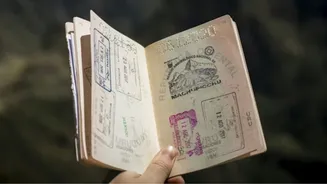
Beyond the initial planning, human travel experts provide indispensable support and guidance throughout the entire journey. They can offer crucial advice on essential matters such as visa requirements, travel insurance policies, and adherence to local customs, ensuring travelers are well-prepared and informed. Furthermore, they serve as a vital point of contact, ready to assist in case of unforeseen emergencies or sudden itinerary changes. This proactive support offers travelers significant peace of mind, guaranteeing a smoother and more secure trip. While AI can efficiently gather information and offer basic suggestions, it cannot replicate the reassurance and practical problem-solving capabilities that a human planner provides, especially when navigating the unpredictable nature of travel.
The Personal Connection
The true differentiator for human itinerary planners lies in their capacity for genuine personal connection. They possess the ability to empathize with clients, anticipate needs that may not be explicitly stated, and infuse a trip with passion and creative flair – qualities that AI currently cannot replicate. This is particularly evident when dealing with the complexities of group travel, where conflicting opinions, diverse preferences, and the pressure to appease everyone can lead to significant stress. The source article highlights the common scenario of group chats devolving into planning chaos, with individuals expressing vague desires like wanting to 'go with the flow' while secretly harboring specific expectations. A human planner acts as a neutral mediator and an expert decision-maker, skillfully navigating these dynamics to create a cohesive and enjoyable experience for all involved.
Beyond Data: Creativity & Trust
While AI excels at processing data and identifying popular trends, it often overlooks the finer details that elevate a trip from good to extraordinary. Human planners bring a creative spark, injecting spontaneity and a sense of discovery that algorithms struggle to simulate. They understand that travel is not just about visiting famous landmarks but about experiencing a destination authentically. For many travelers, especially in India where a strong emphasis is placed on value and resourcefulness, the idea of paying for planning can seem counterintuitive given the abundance of free information. However, the article emphasizes that the true value lies in filtering this overwhelming information, outsourcing decision fatigue, and building trust with an expert who can provide confident recommendations, saving travelers from the anxiety of missing out or making suboptimal choices.
The Hybrid Future
Looking ahead, the future of travel planning is likely to be a synergistic blend of human expertise and technological assistance. AI will continue to serve as a powerful tool for initial research, data analysis, and automating routine tasks, freeing up human planners to focus on their core strengths: creativity, personalization, and emotional intelligence. This hybrid model allows travelers to benefit from the efficiency of AI while still receiving the bespoke, empathetic, and insightful service that only a human can provide. Ultimately, while AI can provide options, it cannot replace the trusted judgment and personal touch that human itinerary planners offer in crafting unforgettable journeys, ensuring that the focus remains on the experience and enjoyment of the trip itself.