





Sweet Endings, New Beginnings
The introduction of bread during the colonial period opened doors to novel dessert creations in India. European-style bread pudding, for instance, underwent
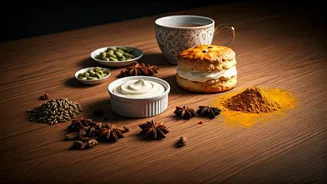
a delightful Indian makeover. Instead of the simple Western version, Indian bread pudding typically features a richer, more aromatic profile, enhanced by the generous use of milk, eggs, sugar, and fragrant spices like cardamom. Often prepared through baking or steaming, this adaptation transforms a humble European dessert into a decadent treat that resonates with local palates, showcasing how a foreign concept can be beautifully reinterpreted with indigenous flavors and techniques. Furthermore, British Christmas traditions brought with them the beloved plum cake, which was swiftly embraced by Indian festive culture. These Indian iterations often feature dried fruits meticulously soaked in rum and infused with warming spices, becoming a quintessential part of celebrations, particularly during Christmas and weddings. This custom has deep roots in regions like Kerala and other coastal areas, demonstrating a significant cultural exchange where a specific holiday treat became a cherished element of Indian culinary heritage, adapted to suit local tastes and ingredient availability.
From Khichdi to Classics
The popular Anglo-Indian breakfast dish, Kedgeree, has an interesting lineage, tracing its origins back to the traditional Indian meal, khichdi. British colonizers encountered this comforting dish and, through their own culinary preferences, began to adapt it. They introduced ingredients such as smoked fish and boiled eggs, enriching the original preparation. While Kedgeree eventually made its way back to England and gained popularity there, it also continued to thrive within India, evolving into a recognized classic within Anglo-Indian cuisine. This culinary migration highlights how dishes can transform and gain new identities through cross-cultural interaction, becoming beloved in both their original context and adapted forms. Another dish that exemplifies this fusion is the Prawn or Chicken Ball Curry. Inspired by Western meatball recipes, colonial kitchens in India ingeniously merged these concepts with the vibrant tapestry of Indian spices and gravies. This created a unique dish that marries Western cooking methodologies with distinctly Indian flavor profiles. It achieved significant popularity, particularly within Bengali and broader Anglo-Indian culinary traditions, showcasing a successful integration of international culinary ideas into the existing Indian food landscape.
Soups, Snacks, and Railways
Mulligatawny Soup, a staple in colonial households, has its roots in the South Indian 'milagu thanni,' or pepper water. The British encountered this simple, peppery broth and significantly enhanced its complexity. They transformed it into a heartier, thicker soup by incorporating ingredients like lentils and various vegetables, and sometimes even meat. This adaptation resulted in a substantial and flavorful dish that became a popular fixture in Anglo-Indian dining, served in homes and clubs alike. The evolution of Mulligatawny Soup is a prime example of how a local preparation can be elevated and redefined through cross-cultural culinary influences. Railway Cutlets, originally conceived during the British era, were designed to cater to the palates of Western travelers on trains, offering mild, crumb-coated snacks. However, as these dishes became integrated into the Indian culinary scene, they were delightfully reinterpreted. Indians transformed the humble cutlet by incorporating ingredients such as potatoes, a variety of spices, and vegetables, making them a more substantial and flavorful option. Over time, these adapted Railway Cutlets evolved into a beloved and ubiquitous tea-time snack enjoyed across the entire country, demonstrating the widespread adoption and localization of foreign culinary introductions.