
Parks: Diverse Ecosystems
National parks globally showcase a remarkable variety of ecosystems. Consider the expansive landscapes of Yellowstone National Park in the United States,
famous for its geysers, hot springs, and diverse wildlife, including bison and wolves. Moving across the world, consider the unique biodiversity of the Amazon rainforest in Brazil, encompassing a vast array of flora and fauna, including jaguars and macaws. Another option is the Serengeti National Park in Tanzania, a classic example of African savanna, known for its annual migration of millions of wildebeest and zebras, offering an unparalleled wildlife spectacle. In each of these parks, the interplay of climate, geology, and life forms results in ecosystems of unique character and significance, making these areas essential for conservation efforts and providing invaluable experiences for those eager to experience the natural world.
Wildlife Wonders Await
Many national parks are globally recognized sanctuaries for diverse wildlife species. For instance, in the Galapagos National Park, Ecuador, one can observe unique species found nowhere else, like giant tortoises and marine iguanas. The park's isolation has enabled the evolution of these species, presenting a compelling natural exhibit. Conversely, in Costa Rica's Manuel Antonio National Park, visitors encounter a mix of tropical wildlife, including sloths, monkeys, and colorful birds, within a compact and easily accessible environment. Moreover, the Kruger National Park in South Africa, a popular spot, allows for sightings of the 'Big Five': lions, elephants, rhinos, leopards, and buffalo. These national parks highlight the importance of conservation, offering protection to endangered species and ensuring a lasting legacy of biological diversity for future generations.
Exceptional Natural Beauty
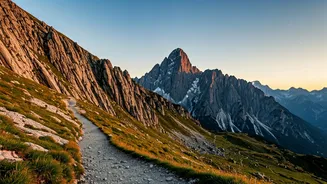
The visual majesty of many national parks lies in their exceptional natural features. Consider the stunning landscapes of Torres del Paine National Park in Chile, with its soaring granite peaks, turquoise lakes, and glaciers. These dramatic features draw mountaineers and adventurers from around the world. Equally breathtaking is the beauty of Fiordland National Park in New Zealand, where deep fjords, cascading waterfalls, and lush rainforests create a unique and scenic beauty. Then there's Zhangjiajie National Forest Park in China, where sandstone pillars tower over the landscape, inspired the imagery in the film Avatar. The unique geology of each park creates striking visual spectacles, inviting visitors to appreciate the powerful impact of natural forces in shaping the world around us. These spots are not only recreational areas, but places that highlight the beauty that nature has to offer.
Adventure and Exploration
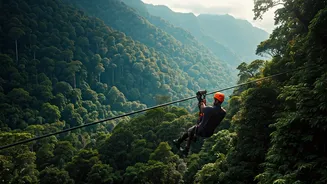
National parks offer endless opportunities for adventure and exploration. For example, in Yosemite National Park, California, rock climbers can challenge themselves on iconic granite cliffs like El Capitan and Half Dome, while hikers find numerous trails to explore. On the other hand, in Banff National Park, Canada, visitors can enjoy activities like hiking, skiing, and wildlife viewing, with the stunning Canadian Rockies as a backdrop. For water enthusiasts, a visit to Komodo National Park in Indonesia offers diving and snorkeling amid vibrant coral reefs, with opportunities to see the famed Komodo dragons. These parks offer a variety of activities for all levels of experience, with guided tours and self-guided explorations.
Responsible Travel Practices
Visiting national parks requires a focus on sustainable and responsible travel practices. It's crucial to minimize your impact on the environment. One key practice is to adhere to 'Leave No Trace' principles by taking all trash with you, avoiding disturbance to wildlife, and sticking to marked trails to avoid erosion. Supporting local communities is also important, which can be done by using local guides, purchasing local products, and dining at local establishments. Conservation efforts are crucial, and tourists are encouraged to donate to park-related causes or volunteer in park projects. Through responsible actions, we help protect these beautiful destinations for generations to come.